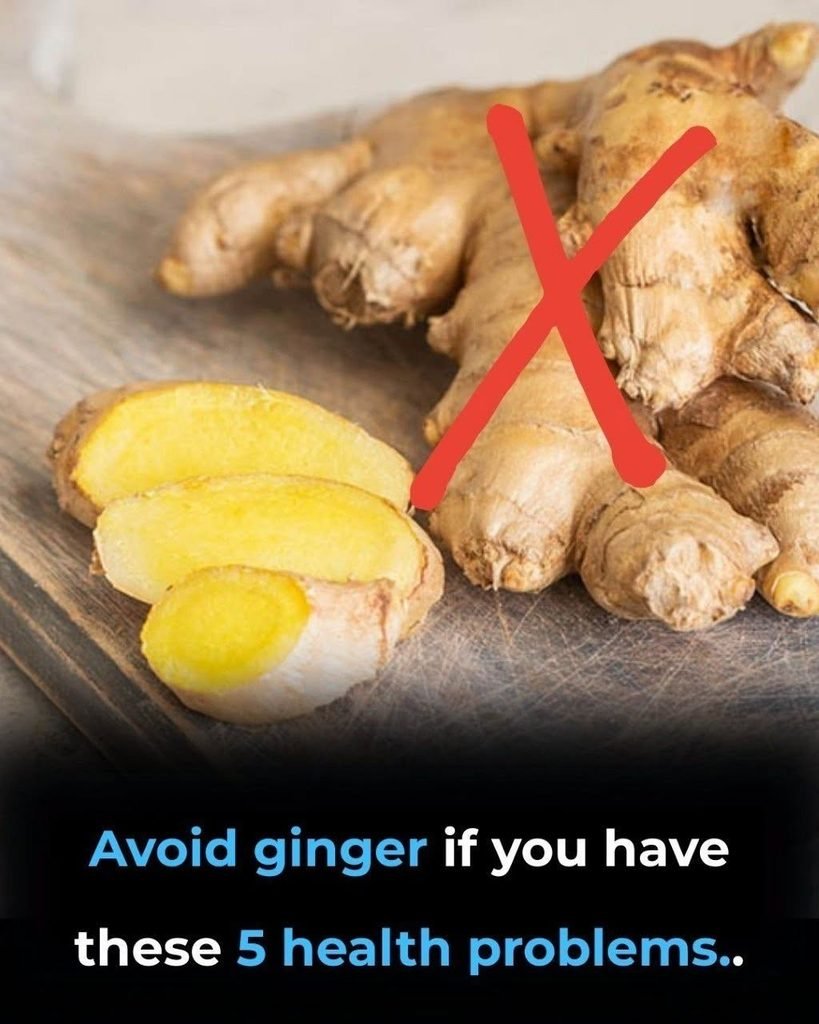
Ginger has been used for centuries as a food and traditional remedy, and modern research has investigated its potential role in nausea, menstrual discomfort, and other conditions.
For most people, eating ordinary amounts of ginger as part of food is generally considered safe. However, concentrated ginger supplements, extracts, and large amounts may not be appropriate for everyone.
In particular, people with certain health conditions or those taking specific medications should speak with a healthcare professional before using ginger supplements.
Here are five situations where extra caution is warranted.
1. Gallstones or Gallbladder Problems
People with gallstones should be particularly cautious with concentrated ginger products.
Ginger may stimulate bile flow, which is one reason medical sources advise people with gallstones to avoid ginger supplements unless their healthcare professional says otherwise.
This does not mean that an occasional meal containing ginger is automatically dangerous. The concern is primarily with medicinal or concentrated amounts.
If you have known gallstones, unexplained upper-abdominal pain, or a diagnosed gallbladder condition, discuss ginger supplements with your healthcare provider before using them.
2. Bleeding Disorders
Ginger may affect platelet aggregation and blood clotting, creating a potential concern for people who already have a bleeding disorder.
Memorial Sloan Kettering advises people with bleeding disorders to avoid ginger supplements because they may increase bleeding time.
This is especially important when ginger is consumed in concentrated supplement form rather than simply as a culinary ingredient.
Anyone with a diagnosed bleeding disorder should discuss herbal supplements with their medical team rather than assuming that a natural product is automatically safe.
3. If You Take Blood-Thinning Medication
This is one of the most important potential interactions to understand.
Ginger supplements may increase bleeding risk when combined with anticoagulant or antiplatelet medicines. Examples include warfarin and other blood thinners. Concerns have also been raised about combining ginger supplements with NSAIDs such as ibuprofen or diclofenac.
The evidence regarding ginger and anticoagulants is not completely conclusive, but because serious bleeding can be dangerous, caution is appropriate.
If you take a blood thinner, don’t stop your medication or replace it with ginger. Instead, tell your doctor or pharmacist about any ginger supplement you are considering.
4. If You Have Diabetes or Take Medication That Lowers Blood Sugar
Ginger has been studied for possible effects on blood glucose, and concentrated ginger supplements may potentially contribute to lower blood sugar when combined with insulin or glucose-lowering medication.
Memorial Sloan Kettering notes that this interaction is possible, although the clinical significance is not fully established.
For someone taking diabetes medication, unexpectedly low blood sugar can be dangerous.
That doesn’t mean people with diabetes must automatically avoid ginger as a food. The greater concern is concentrated supplementation and possible interaction with medication.
If you have diabetes, discuss regular high-dose ginger supplementation with your healthcare professional and monitor your blood glucose according to your treatment plan.