Herbal supplements deserve special attention before an operation.
Some supplements can affect bleeding, blood pressure, heart rate, anesthesia, or other medications used around surgery. The National Center for Complementary and Integrative Health recommends telling healthcare providers about all supplements you take before surgery.
Memorial Sloan Kettering specifically advises stopping ginger supplements before surgery because of potential bleeding concerns.
If you are scheduled for surgery, don’t make assumptions about whether your particular ginger product is safe. Give your surgeon or anesthesia team a complete list of supplements and medications.
What About Heartburn?
There is another reason some people may want to limit ginger.
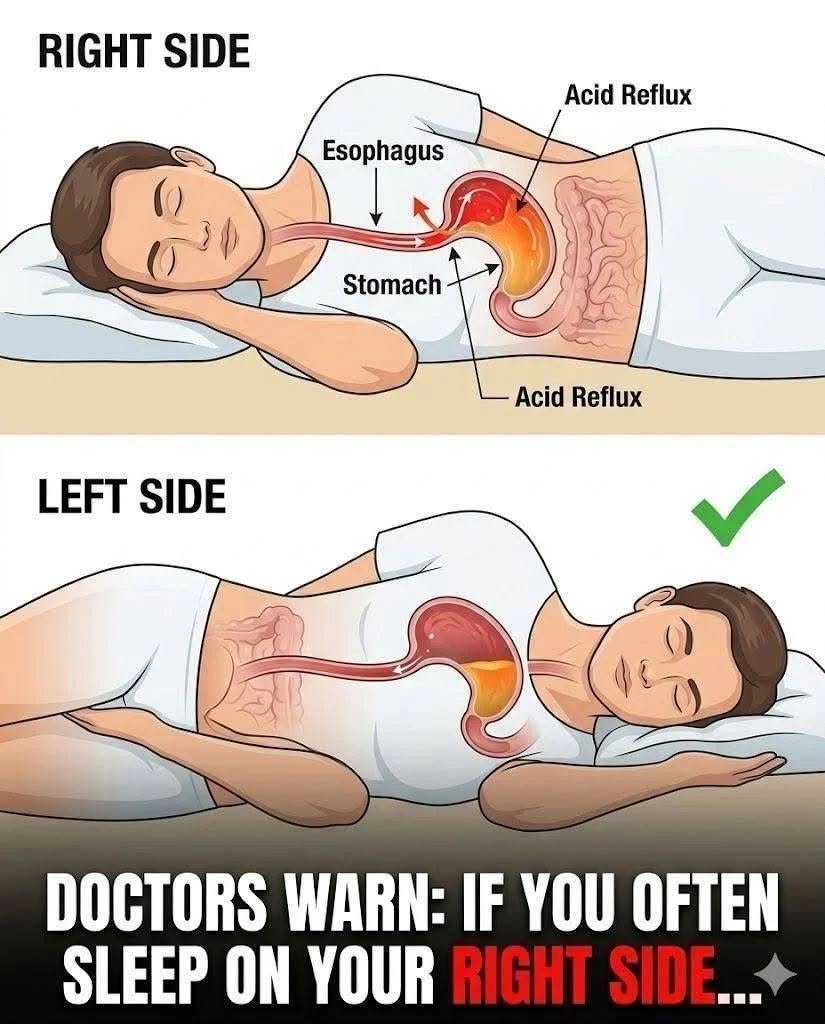
Although ginger is sometimes promoted as a digestive aid, it can itself cause heartburn, abdominal discomfort, diarrhea, and irritation of the mouth or throat in some people.
If you notice that ginger tea, supplements, or large amounts of fresh ginger consistently trigger burning or stomach discomfort, reducing your intake may be reasonable.
Persistent or severe digestive symptoms should be evaluated rather than automatically blamed on ginger.
Food Ginger Is Different From a Concentrated Supplement
This distinction is extremely important.
Adding a small amount of fresh ginger to a stir-fry, soup, or meal is not the same as taking a concentrated ginger extract or high-dose capsule.
Much of the safety concern surrounding ginger involves supplemental or medicinal doses, particularly when combined with medications or certain medical conditions.
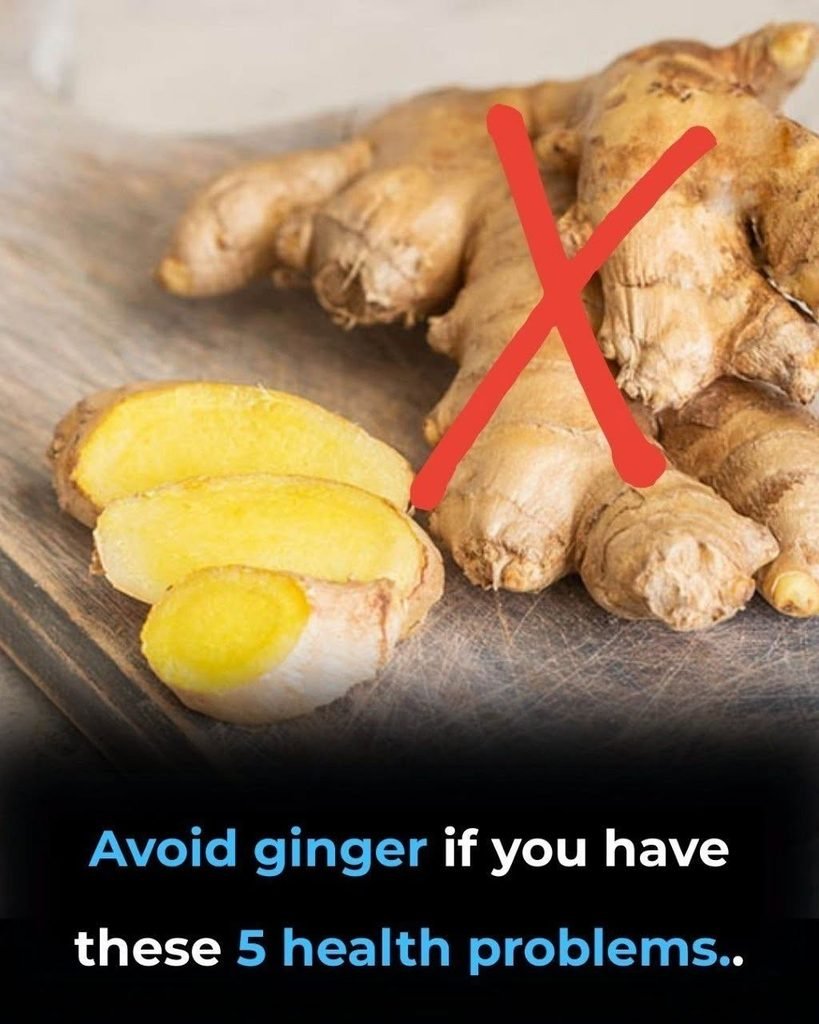
Therefore, a headline saying “avoid ginger” can be misleading if it doesn’t specify the form and amount.
Who Should Talk to a Healthcare Professional First?
Before taking ginger supplements regularly, speak with a healthcare professional if you:
Take blood-thinning medication
Have a bleeding disorder
Have gallstones
Take insulin or glucose-lowering medication
Are preparing for surgery
Take several prescription medications
Have a significant chronic medical condition
Experience unusual symptoms after taking ginger
Herbal supplements can interact with medications, and information about some combinations remains limited.
What Are Ginger’s Potential Benefits?
Being cautious about ginger doesn’t mean that ginger is inherently harmful.
Research has found evidence that ginger may help with some types of nausea and vomiting, particularly nausea associated with pregnancy. It has also been studied for menstrual cramps and symptoms of knee osteoarthritis, although the quality and strength of evidence varies by condition.
The important point is that a potential benefit doesn’t make a supplement appropriate for everyone.
The same substance can be useful in one situation and require caution in another.
Final Thoughts
Ginger can be a flavorful food and may have useful medicinal properties, but “natural” does not automatically mean risk-free.
The greatest caution is warranted with concentrated ginger supplements, particularly for people with gallstones or bleeding disorders, people taking blood thinners or blood-sugar-lowering medication, and anyone preparing for surgery.
For most people, culinary amounts of ginger are very different from high-dose supplements.
If you take prescription medication or have a medical condition, the safest approach is simple: tell your doctor or pharmacist about the ginger products you use before taking them regularly.