Doctors Reveal What Eating Beets Can Do to Your Body
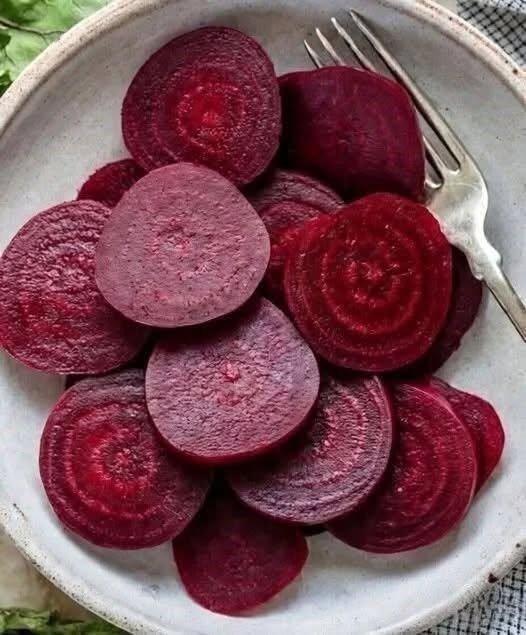
Beets are one of those vegetables that can make a meal more colorful while also delivering a range of useful nutrients. Their deep red-purple color comes from natural plant compounds called betalains, while their nutritional profile includes fiber, folate, potassium, and naturally occurring nitrates.
Eating beets regularly can support several aspects of health, particularly when they are part of an overall balanced diet. But beets are not a miracle food, and their effects can vary depending on how they are prepared, how much is eaten, and a person’s individual health.
So, what actually happens when you eat beets?
1. Your Body Gets a Dose of Dietary Nitrates
One of the most studied components of beets is dietary nitrate.
After eating nitrate-rich vegetables, some of the nitrate can be converted in the body into nitric oxide. Nitric oxide plays an important role in regulating blood-vessel function and blood flow.
Research has found that consuming beetroot or beetroot juice can produce short-term reductions in blood pressure in some people, although the size of the effect varies.
This doesn’t mean beets can replace prescribed blood-pressure medication. Instead, they can be one component of a heart-healthy eating pattern.
2. Blood Vessels May Work More Efficiently
The nitric-oxide pathway has another important role: it helps regulate the widening and relaxation of blood vessels.
Improved blood-vessel function can influence circulation and exercise performance.
Studies of beetroot juice have found potential benefits for exercise efficiency and endurance, particularly during aerobic activity. However, results are not identical for everyone, and eating whole beets isn’t necessarily equivalent to taking a concentrated beetroot supplement.
3. You Get Antioxidant Plant Compounds
Beets contain betalains, pigments responsible for much of their characteristic color.
These compounds have antioxidant properties in laboratory and experimental research. Beets also contain other plant compounds that contribute to their overall nutritional value.
Antioxidants help protect cells from oxidative damage, but it’s important not to interpret this as evidence that eating beets prevents every disease associated with oxidative stress.
The broader dietary pattern matters much more than any single food.
4. Your Digestive System Gets More Fiber
Whole beets provide dietary fiber.
Fiber contributes to normal digestive function and can help support regular bowel movements. It can also contribute to feelings of fullness and, as part of a balanced diet, support healthy cholesterol and blood-glucose management.
If you’re increasing your fiber intake significantly, it’s helpful to increase it gradually and drink enough fluids.
5. Beets Provide Folate and Other Nutrients
Beets contain several vitamins and minerals, including folate, potassium, and manganese.
Folate is important for normal DNA synthesis and cell division, while potassium contributes to normal nerve and muscle function and helps regulate fluid balance.
Beets aren’t exceptionally high in every nutrient, but they can contribute to overall dietary variety.
6. Your Urine or Stool May Turn Red
One of the strangest effects of eating beets is also one of the most harmless.
After eating red or purple beets, some people notice pink, red, or reddish-purple urine or stool.
This is known as beeturia when it occurs in urine. It results from beet pigments passing through the digestive system.
It can look alarming, but beet-related discoloration is generally harmless.
However, if red urine occurs when you haven’t eaten beets—or if you are uncertain about the cause—it should not automatically be assumed to be beeturia and may warrant medical evaluation.
7. Exercise Performance May Improve in Some People