Understanding Burning, Tingling, and Numbness in the Feet
Burning, tingling, and numbness in the feet are common sensations that can range from a temporary annoyance to a sign of an underlying medical condition. Some people describe their feet as feeling hot or as though they are “on fire.” Others notice pins and needles, reduced sensation, prickling, or a strange feeling of wearing socks when they are barefoot.
These symptoms can have many different causes. One of the most common is peripheral neuropathy, a condition involving damage or dysfunction of nerves outside the brain and spinal cord. Diabetes is a major cause, but it is far from the only possibility. Vitamin deficiencies, nerve compression, certain medications, alcohol-related nerve damage, thyroid or kidney problems, infections, and other conditions can also contribute.
Understanding the possible causes can help you recognize when these symptoms deserve medical attention.
What Do Burning, Tingling, and Numbness Feel Like?
Although these sensations are related, they are not exactly the same.
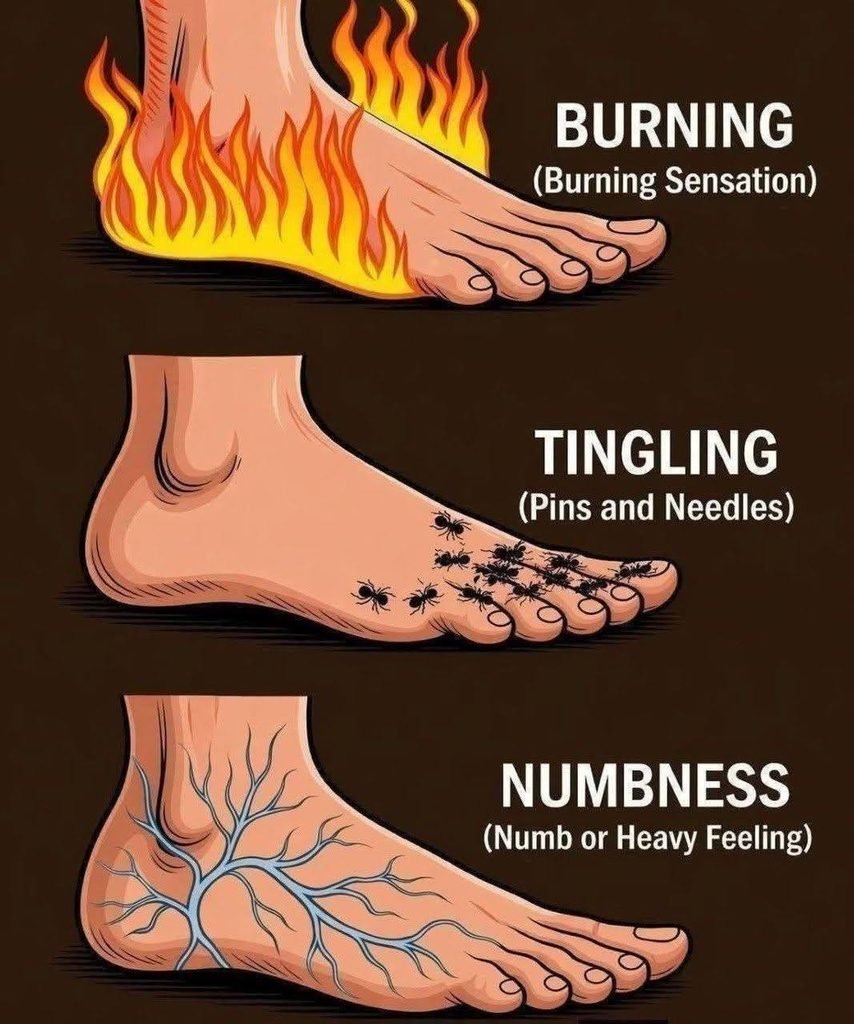
Burning may feel like heat, stinging, or an uncomfortable sensation under the skin even when the feet are not actually hot.
Tingling is often described as pins and needles, prickling, buzzing, or an electrical sensation.
Numbness means reduced or absent sensation. A person may have difficulty feeling touch, pain, temperature, or pressure.
These symptoms can occur separately or together. Peripheral neuropathy, for example, can cause burning pain, tingling, numbness, increased sensitivity to touch, and sometimes weakness or balance problems.
Peripheral Neuropathy: A Common Explanation
Peripheral neuropathy occurs when nerves outside the brain and spinal cord become damaged or irritated.
Because the longest nerves in the body travel to the feet, symptoms of certain types of neuropathy often begin there. They may gradually move upward into the legs and, in some cases, later affect the hands.
People with peripheral neuropathy may experience:
Burning or stabbing pain
Tingling or prickling
Numbness
Increased sensitivity to touch
Reduced ability to feel heat or cold
Muscle weakness
Balance or coordination problems
Symptoms can be particularly noticeable at night for some people.
Diabetes and Foot Nerve Symptoms
Diabetes is one of the most important conditions associated with peripheral neuropathy.
Persistently elevated blood glucose can damage nerves over time. Diabetic peripheral neuropathy commonly affects the feet and legs first and may cause burning, tingling, numbness, sharp pain, or reduced sensitivity to temperature and injury.
Reduced sensation can create an additional problem: a person may develop a blister, cut, burn, or other foot injury without noticing it.
For this reason, people with diabetes should pay close attention to their feet and seek medical attention for wounds that do not heal or show signs of infection.
Vitamin Deficiencies Can Affect Nerves
Certain nutrients are important for normal nerve function. Low levels of vitamin B12, for example, can contribute to neurological symptoms, including numbness and tingling.
Other nutritional deficiencies may also affect nerve health. However, taking large amounts of vitamins without determining whether a deficiency exists is not necessarily helpful and can sometimes be harmful.
If persistent symptoms have no obvious explanation, a healthcare professional may consider blood tests to look for nutritional or metabolic causes.
Nerve Compression Can Cause Similar Symptoms
Not every case of foot tingling is caused by generalized peripheral neuropathy.
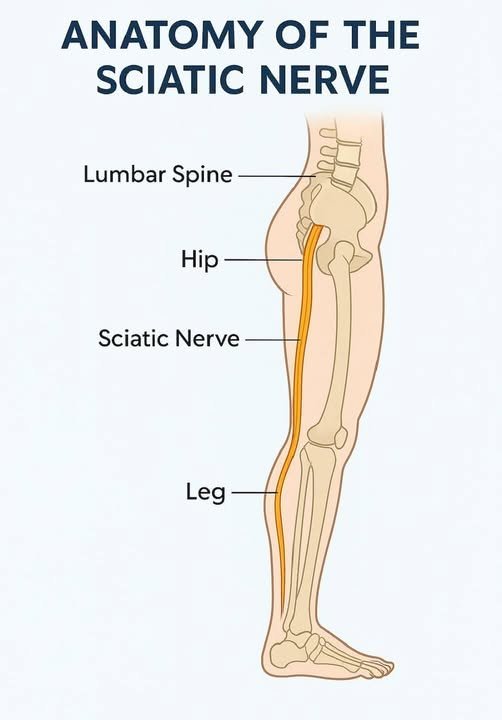
A nerve can become compressed or irritated at different points along its path. Problems involving the lower back can send pain, tingling, or numbness down the leg and into the foot. A compressed nerve near the ankle can also produce burning or tingling in parts of the foot.
The pattern can provide useful clues.
Symptoms affecting one particular area or one side of the body may suggest a localized nerve problem, while symptoms affecting both feet in a similar pattern may be more consistent with a generalized nerve disorder.
Only a proper medical evaluation can determine the cause.