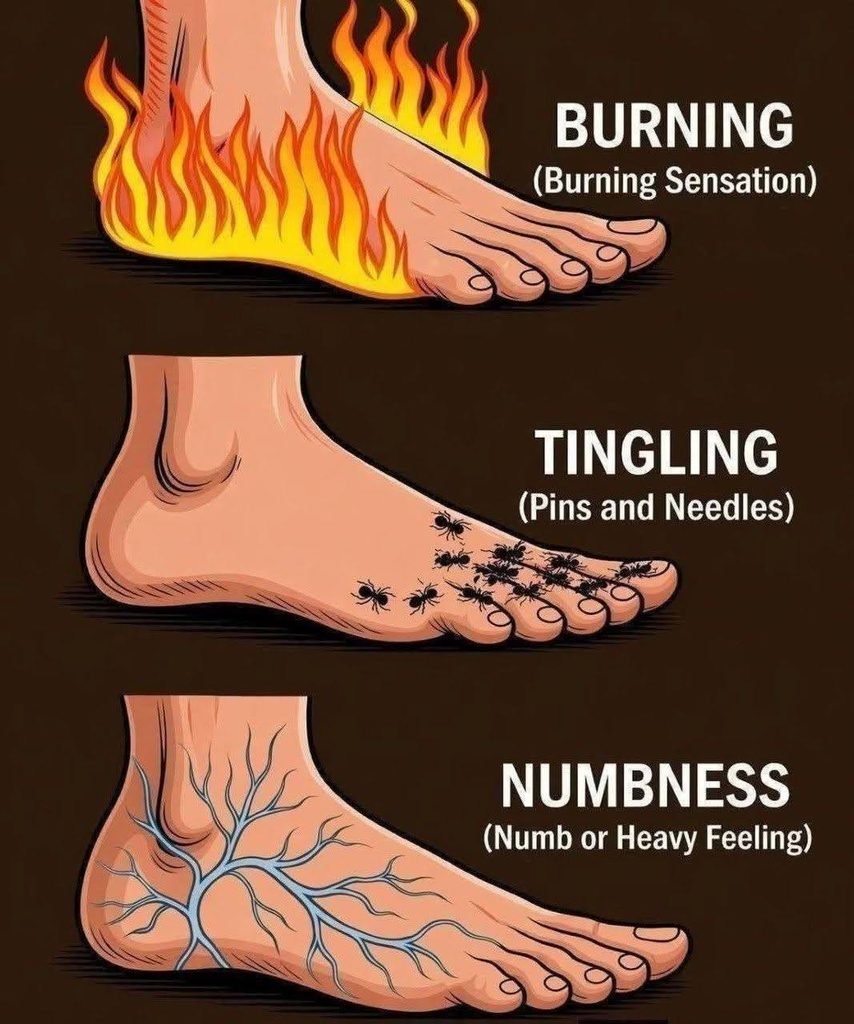
Understanding Burning, Tingling, and Numbness in the Feet
Burning or altered sensation in the feet can have many explanations.
Potential causes include:
Thyroid disorders
Kidney disease
Certain infections
Alcohol-related nerve damage
Chemotherapy and some other medications
Exposure to certain toxins or heavy metals
Autoimmune conditions
Inherited neurological disorders
Certain foot or ankle nerve compression syndromes
Skin conditions or infections
Sometimes, despite appropriate testing, no clear cause is identified.
This wide range of possibilities is one reason persistent symptoms should not automatically be attributed to poor circulation, aging, or a vitamin deficiency.
When Should You See a Doctor?
Occasional pins and needles can happen when pressure temporarily affects a nerve—for example, after sitting or sleeping in an awkward position. It usually improves after the pressure is removed.
Persistent or unexplained symptoms are different.
Consider arranging a medical evaluation if you experience:
Burning, tingling, or numbness that keeps returning
Symptoms that gradually become more severe
Numbness spreading from the feet toward the legs
Increasing sensitivity or pain
Muscle weakness
Difficulty walking or maintaining balance
Loss of sensation in the toes or feet
Mayo Clinic advises medical evaluation when burning feet persist, become more intense, spread upward, or are accompanied by loss of sensation.
When Foot Numbness Requires Urgent Attention
Some situations require more immediate medical care.
Seek prompt attention if numbness or weakness appears suddenly, particularly if it is accompanied by other neurological symptoms. Severe foot pain, major swelling, inability to walk, or an infected wound also warrants urgent evaluation.
People with diabetes should be especially cautious about foot wounds. A wound that becomes warm, swollen, discolored, painful, drains fluid, or fails to heal should be evaluated promptly.
How Doctors Investigate the Cause
A healthcare professional will usually begin by asking when the symptoms started, whether they affect one or both feet, how they feel, and whether they are getting worse.
The examination may include checking:
Sensation
Reflexes
Muscle strength
Coordination and balance
Pulses and circulation
The skin and condition of the feet
Depending on the situation, blood tests may be used to look for conditions such as diabetes, vitamin deficiencies, thyroid problems, or other metabolic causes.
Additional neurological testing may sometimes be necessary, particularly when symptoms are severe, progressive, unusual, or associated with weakness.
Protecting Your Feet When Sensation Is Reduced
Numbness can make ordinary injuries easier to overlook.
If you have reduced sensation in your feet, inspect them regularly for cuts, blisters, redness, swelling, pressure points, or other changes.
Well-fitting footwear can help reduce injuries. Avoid walking barefoot in situations where you could step on something sharp or expose your feet to excessive heat.
Be particularly careful with hot water and heating devices because reduced sensation may make it difficult to recognize a burn.
These precautions are especially important for people with diabetes or established neuropathy.
Treating the Underlying Cause Matters
There is no single treatment for burning, tingling, or numb feet because the appropriate treatment depends on the cause.
For example, managing blood glucose is important when diabetes is contributing to nerve damage. A vitamin deficiency may require appropriate nutritional treatment, while a compressed nerve may require a different approach.
Doctors can also recommend treatments specifically aimed at reducing nerve pain when necessary.
The goal is not simply to mask the sensation. Identifying and addressing the underlying problem can help prevent further nerve damage when a treatable cause is present.
Healthy Habits That Support Nerve Health
Several general habits can support overall nerve and foot health.
A balanced diet provides nutrients needed by the nervous system. Regular physical activity can support overall metabolic health and mobility. Limiting excessive alcohol consumption and avoiding tobacco can also reduce factors associated with nerve damage.
People with diabetes should work with their healthcare team to manage blood glucose and maintain regular foot care.
Final Thoughts
Burning, tingling, and numbness in the feet are symptoms—not diagnoses.
Sometimes they are temporary and harmless. In other cases, they can be early signs of peripheral neuropathy, diabetes-related nerve damage, nutritional deficiency, nerve compression, or another medical condition.
Pay attention to the pattern, duration, and progression of the symptoms. Persistent, worsening, or unexplained changes in sensation deserve medical evaluation, particularly when they are accompanied by weakness, balance problems, or foot wounds.
Your feet carry you through everyday life, and changes in sensation are worth taking seriously. Recognizing the symptoms early can be an important step toward finding the cause and protecting long-term nerve and foot health.