What Does It Mean to Have Visible Veins on Your Body?
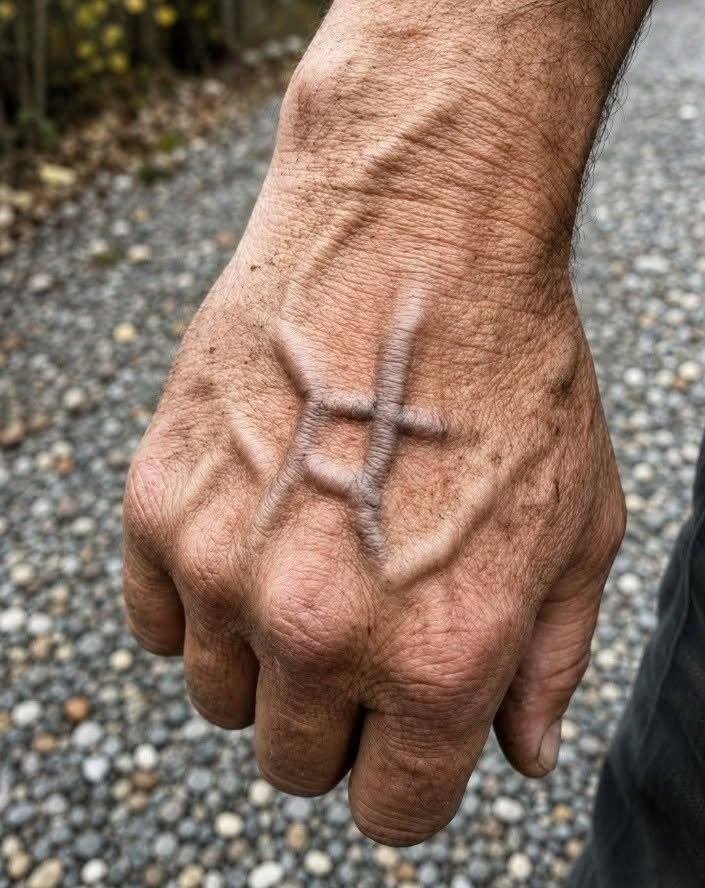
Have you ever noticed that the veins on your hands, arms, legs, or even chest seem more visible than usual? Visible veins are common and are often completely harmless, particularly when they appear without pain, swelling, or other unusual symptoms.
However, prominent veins can have several different explanations. Exercise, body composition, aging, genetics, and prolonged sitting or standing can all affect how noticeable veins appear. In some cases, prominent or newly bulging veins may be associated with an underlying vein problem that deserves medical evaluation.
Understanding the difference between normal visible veins and symptoms that require attention can help you know when to simply monitor the change and when to speak with a healthcare professional.
Why Are Some People’s Veins More Visible?
Veins are blood vessels that return blood toward the heart. Some veins, particularly superficial veins, lie close to the surface of the skin and can therefore be visible.
How prominent they look depends on several factors, including the thickness of the skin, the amount of tissue beneath the skin, blood flow, and the size and location of the veins.
For many people, visible veins are simply a normal anatomical feature.
1. Exercise Can Make Veins More Prominent
If you regularly exercise—especially if you perform strength training—you may notice more visible veins in your arms, shoulders, hands, or legs.
During intense exercise, blood flow increases, and muscles can temporarily become fuller. As muscle develops and the amount of tissue covering superficial veins decreases, those veins may become easier to see.
This is particularly common among people who participate in resistance training.
2. Lower Body Fat Can Reveal Veins
Body composition can also influence how visible veins appear.
When the layer of fat beneath the skin becomes thinner, superficial veins may become more noticeable, especially on the hands, forearms, and other areas where veins naturally sit close to the skin.
Therefore, increased vascularity does not automatically indicate a health problem.
3. Genetics Play a Role
Some people naturally have more prominent veins than others.
Genetics can influence the structure of your veins, skin thickness, body composition, and tendency to develop conditions such as varicose veins. Family history is also a recognized risk factor for varicose veins.
If visible veins have always been noticeable and have not changed significantly, they may simply be part of your normal appearance.
4. Aging Can Make Veins Easier to See
As people age, the skin becomes thinner and loses some of its elasticity. This can make veins beneath the skin more visible.
Aging also increases the likelihood of developing varicose veins because veins and their valves can become less effective over time.