Understanding Bone Health: What Happens Inside Our Joints
When people talk about bone health, they often focus on fractures or osteoporosis. But our skeletal system is far more dynamic than it may appear. Bones are living tissues that continuously change, while joints bring bones together and allow the body to move, bend, rotate, and absorb forces.
Understanding what happens inside our joints can make it easier to recognize why stiffness, discomfort, and reduced mobility can develop—and why protecting bone and joint health is important throughout life.
Bones Are Living Tissue
Although bones feel hard and permanent, they are living structures.
Throughout life, specialized cells continuously remove older bone tissue and replace it with new tissue. This process is known as bone remodeling.
Two important types of cells are involved:
Osteoclasts, which break down and remove old bone tissue
Osteoblasts, which help build new bone
During childhood and adolescence, bone formation generally exceeds bone breakdown, allowing bones to grow and become stronger. As people reach adulthood, the two processes normally become more balanced.
With aging, however, bone loss can gradually exceed bone formation in some people. When bone becomes significantly weaker and more fragile, osteoporosis can develop.
What Exactly Is a Joint?
A joint is the place where two or more bones meet.
Different joints have different structures and functions. Some allow extensive movement, while others provide stability with little or no movement.
The most familiar type is the synovial joint, which includes many of the body’s major movable joints, such as the knees, hips, shoulders, and elbows.
A healthy synovial joint contains several important structures.
Cartilage: The Protective Surface
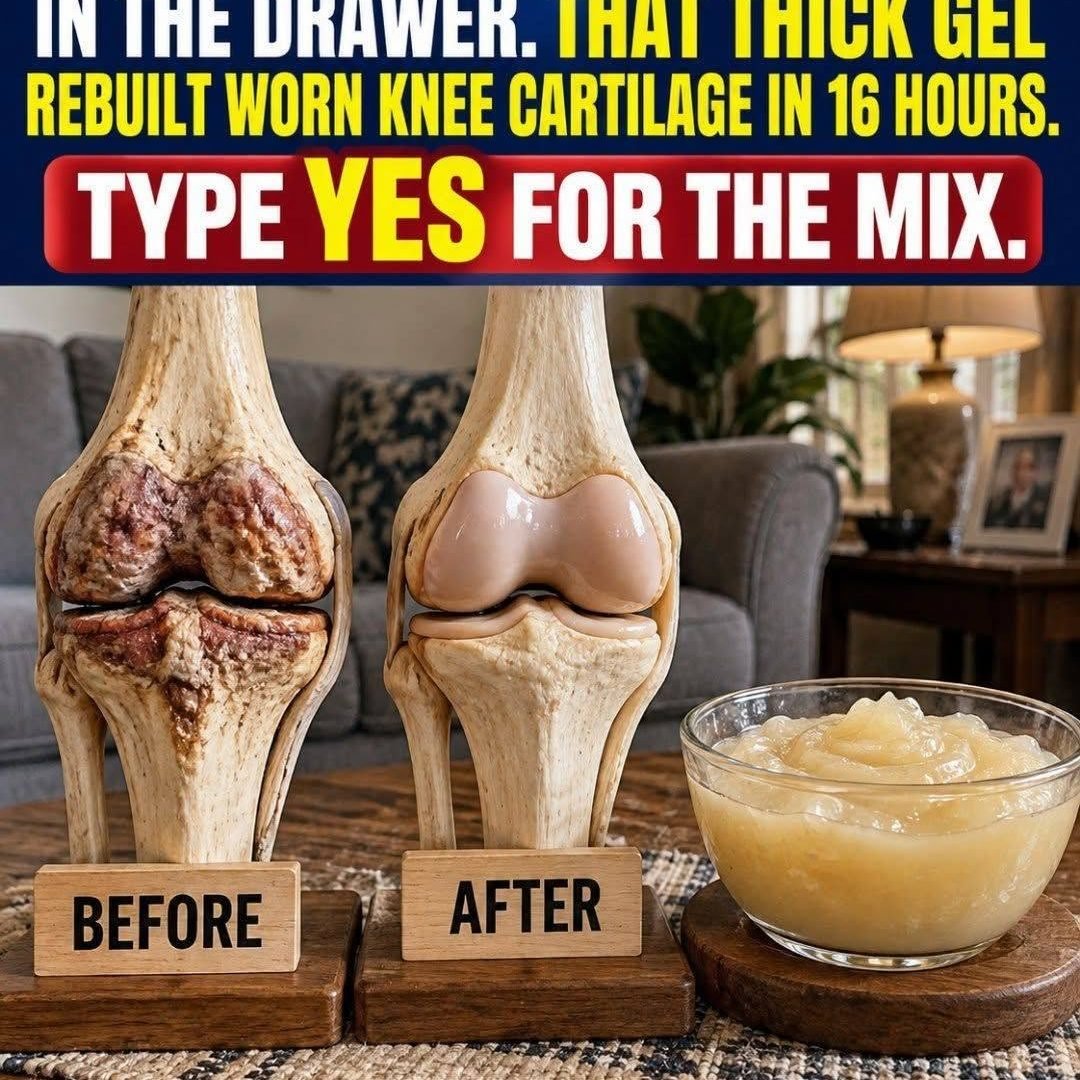
The ends of bones within many movable joints are covered with articular cartilage.
This smooth, resilient tissue helps bones move against each other with minimal friction. It also helps distribute pressure across the joint when you walk, run, climb stairs, or lift something.
Cartilage does not have the same blood supply as many other tissues, which contributes to its limited ability to repair itself after significant damage.
Over time, repeated mechanical stress, injury, inflammation, and other factors can contribute to cartilage deterioration.
Synovial Fluid: The Joint’s Lubrication System
Inside a synovial joint is a small amount of synovial fluid.
This fluid helps lubricate the joint and reduces friction during movement. It also contributes to the environment that supports cartilage.
The fluid is contained within the synovial membrane, a thin tissue lining the inside of the joint capsule.
When a joint becomes inflamed, changes can occur in the synovial membrane and fluid, contributing to swelling, warmth, and discomfort.
Ligaments Provide Stability
Bones are connected to other bones by strong bands of connective tissue called ligaments.
Ligaments help stabilize joints and limit excessive movement.
For example, the knee contains several important ligaments that help keep the joint stable during walking, turning, jumping, and other activities.
A ligament injury can therefore affect not only comfort but also the mechanical stability of the joint.
Tendons Connect Muscles to Bones
Tendons are different from ligaments.
While ligaments connect bone to bone, tendons connect muscle to bone.
When a muscle contracts, the tendon transfers that force to the bone, producing movement around a joint.
Healthy tendons are therefore essential for everyday activities ranging from standing and walking to reaching and lifting.
What Happens When We Move?
Every time you bend your knee or raise your arm, several structures work together.
Muscles generate force. Tendons transfer that force to bones. Joints provide controlled movement. Cartilage helps reduce friction, while ligaments help keep the joint aligned and stable.
The nervous system coordinates the entire process, continuously receiving information about position, pressure, and movement.
This complex cooperation allows movements to appear effortless.