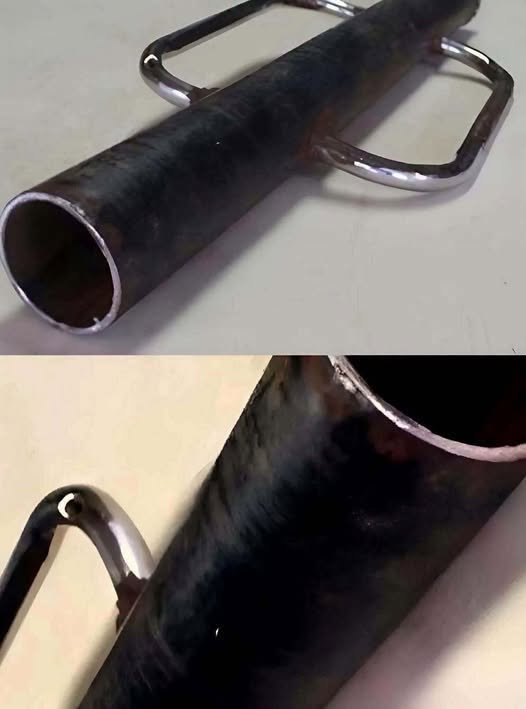
The Mysterious Steel Chunk: What Is This Heavy Metal Tool?
At first glance, a heavy steel object with an unusual shape can look almost impossible to identify. It may resemble a piece of industrial equipment, an old mechanical component, or simply a chunk of scrap metal. Yet many mysterious-looking steel objects were designed for a very specific purpose.
One particularly interesting category consists of heavy steel hand tools and workshop implements that were built to withstand repeated impacts, pressure, and demanding mechanical work.
So what could a mysterious steel chunk actually be?
The answer depends heavily on its shape, weight, openings, flat surfaces, and any markings stamped into the metal. Without a photograph or identifying details, it is impossible to assign one exact name with confidence. However, understanding the most common types of heavy steel tools can help narrow down the possibilities.
Why Are Some Steel Tools So Heavy?
The weight of an old steel tool is often intentional.
Many workshop tools were designed to absorb substantial force without bending, cracking, or moving. A heavy body provides stability and helps prevent the tool from shifting during use.
Cast iron and forged steel were particularly valuable for older industrial equipment because of their strength and durability.
A tool that looks unnecessarily heavy may therefore have been designed to remain firmly in position while another object was being hammered, shaped, cut, or repaired.
Could It Be an Anvil?
One of the first possibilities that comes to mind when seeing a large piece of heavy steel is an anvil.
Traditional anvils have a distinctive shape, generally featuring a broad working surface and a narrower body or base. Many also have holes used with specialized blacksmithing tools.
Anvils are designed to provide a solid surface against which heated or cold metal can be shaped.
However, not every heavy steel object is an anvil. Smaller specialized anvils and bench anvils can have very different shapes, so identifying features are important.
Could It Be a Swage Block?
Another possibility is a swage block, a heavy metalworking tool used by blacksmiths.
Swage blocks typically contain a variety of holes, grooves, and curved sections. These features allow metalworkers to shape metal into particular forms.
Unlike a simple flat anvil, a swage block functions almost like a collection of specialized forming surfaces.
If a mysterious steel object has multiple holes or channels of different shapes, a swage block becomes a more plausible possibility.
Could It Be a Machinist’s Tool?
Heavy steel objects are also common in machining and mechanical workshops.
Machine shops have historically used specialized blocks, fixtures, vises, forming tools, and support components to hold or shape metal.
Some may look extremely simple because their purpose was functional rather than decorative.
A flat, precisely machined surface, threaded holes, slots, or carefully positioned openings can provide clues that an object belonged to a machinist rather than a blacksmith.