Understanding Bone Health: What Happens Inside Our Joints
Joint stiffness can have many possible causes.
Temporary stiffness may occur after sitting or remaining in one position for a long time. It can also follow intense physical activity.
Persistent stiffness, however, may be associated with conditions such as osteoarthritis, inflammatory arthritis, previous injuries, or other medical problems.
The pattern matters.
Stiffness that repeatedly occurs in the morning, lasts for a prolonged period, or is accompanied by swelling or significant pain deserves medical attention.
Understanding Osteoarthritis
Osteoarthritis is one of the most common joint disorders.
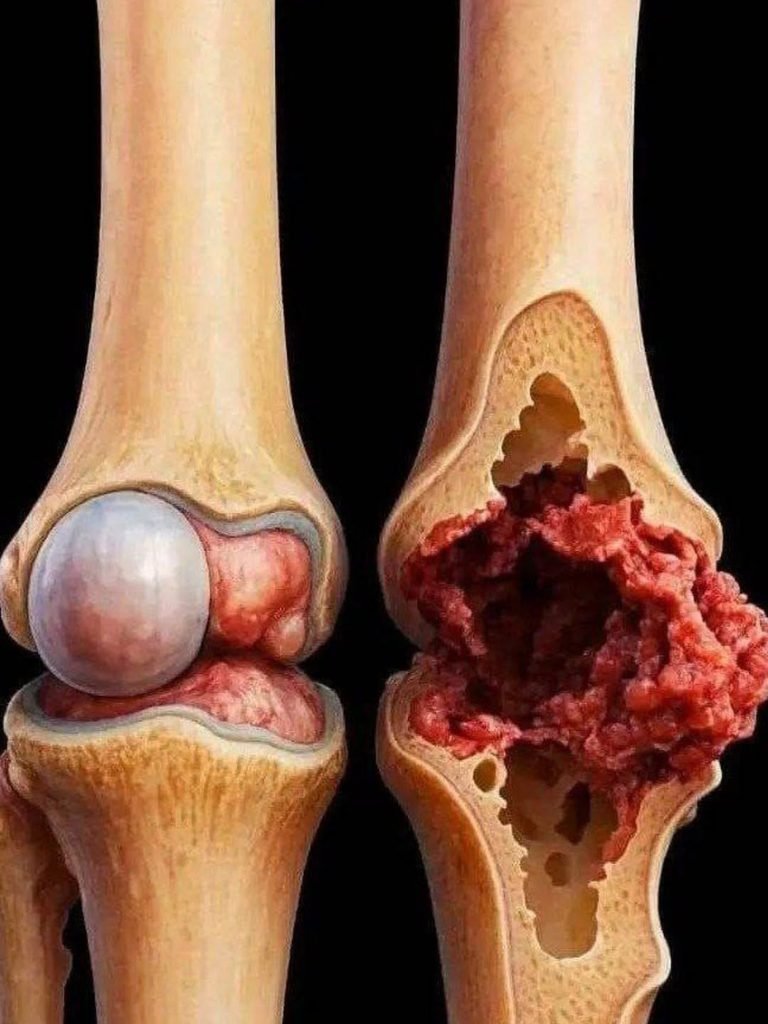
It involves changes in the entire joint rather than simply “wearing away” cartilage. Cartilage can deteriorate, while the underlying bone, joint lining, and surrounding tissues can also undergo changes.
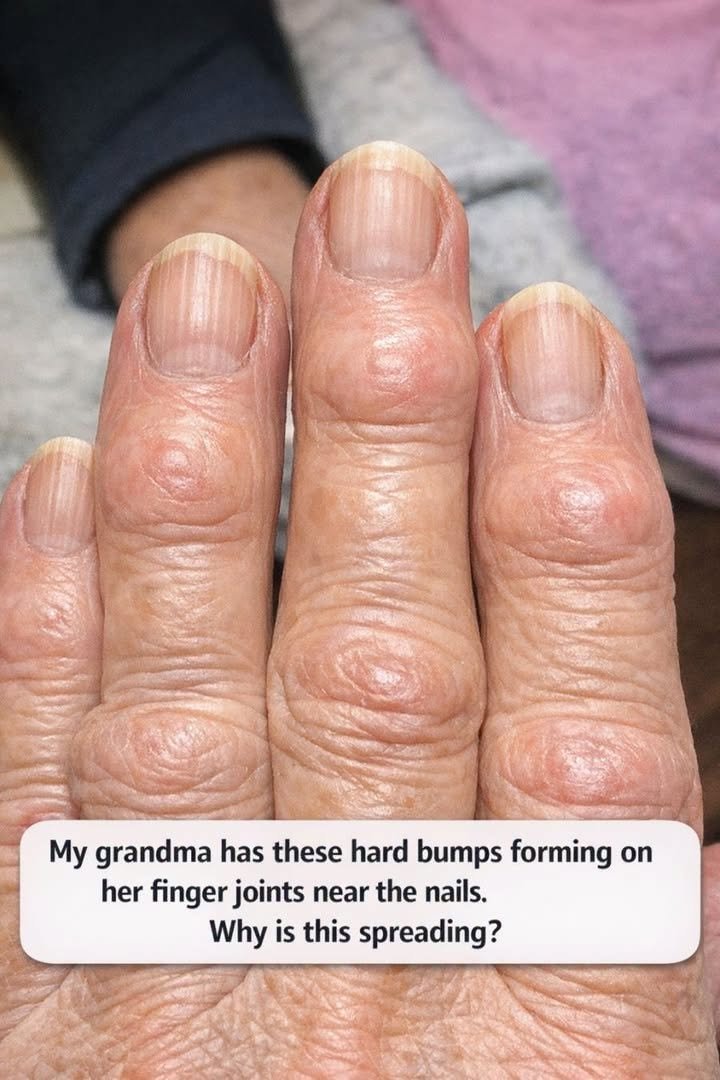
Commonly affected joints include the knees, hips, hands, and spine.
Symptoms can include:
Joint pain
Stiffness
Reduced range of motion
Swelling
Tenderness
Grating or clicking sensations
Symptoms can vary considerably from person to person.
Bone Health and Joint Health Are Connected—but Different
Bone health and joint health are often discussed together, but they are not identical.
Osteoporosis primarily affects bone strength and increases the risk of fractures.
Osteoarthritis primarily involves changes within joints.
A person can have strong bones and still develop osteoarthritis, just as someone can have joint problems without having osteoporosis.
Understanding this distinction is important because prevention, diagnosis, and treatment can differ.
How Physical Activity Supports the Skeleton
Regular physical activity is one of the most important habits for maintaining musculoskeletal health.
Weight-bearing activities place appropriate stress on bones, which helps support bone strength. Resistance exercises can strengthen muscles and improve the forces placed on bones and joints.
Activities such as walking, strength training, stair climbing, dancing, and balance exercises can be incorporated according to a person’s abilities and health status.
People with existing joint problems should choose activities that are appropriate for their condition rather than assuming that more exercise is always better.
Nutrition Matters Too
Bones require several nutrients to maintain normal structure.
Calcium is an important component of bone tissue, while vitamin D helps the body absorb calcium and supports normal bone metabolism.
A balanced diet can provide calcium through foods such as dairy products, fortified alternatives, certain fish, tofu, and some leafy green vegetables.
Protein is also important because muscles and connective tissues depend on adequate protein intake.
Rather than relying automatically on supplements, nutritional needs are best considered in the context of an individual’s overall diet and medical situation.
Protecting Joints in Everyday Life
Joint health isn’t only about exercise.
Maintaining a healthy body weight can reduce mechanical stress on weight-bearing joints. Strong muscles can also provide support and improve movement control.
Other useful habits include:
Staying physically active
Building and maintaining muscle strength
Practicing balance exercises
Using proper technique during physical activities
Allowing adequate recovery after demanding exercise
Avoiding smoking
Limiting excessive alcohol consumption
Eating a varied, nutrient-rich diet
These habits support overall musculoskeletal health rather than guaranteeing that joint disease will never occur.
When Joint Pain Should Be Evaluated
Occasional aches aren’t necessarily a sign of serious disease, but certain symptoms should not be ignored.
Seek medical evaluation for joint symptoms that are:
Persistent or progressively worsening
Associated with significant swelling
Accompanied by redness or warmth
Limiting normal activities
Following a significant injury
Associated with unexplained fever
Causing severe or sudden pain
A healthcare professional can determine whether symptoms are related to arthritis, injury, inflammation, infection, or another condition.
The Bigger Picture
Our bones and joints are part of an interconnected system involving muscles, tendons, ligaments, nerves, blood vessels, and connective tissues.
Healthy movement depends on all of these structures working together.
Rather than thinking of bones as rigid pieces of a skeleton, it is more accurate to view the musculoskeletal system as living tissue that continuously responds to movement, nutrition, aging, injuries, and other influences.
Final Thoughts
Bone and joint health begins with understanding what is happening beneath the surface.
Bones are constantly remodeled. Cartilage reduces friction. Synovial fluid helps joints move smoothly. Ligaments provide stability, while tendons transfer muscular force to bones.
Although some changes are a natural part of aging, regular physical activity, adequate nutrition, injury prevention, and appropriate medical care can help support the musculoskeletal system throughout life.
The goal isn’t simply to keep bones strong. It is to preserve the ability to move comfortably, maintain independence, and stay active for as long as possible.