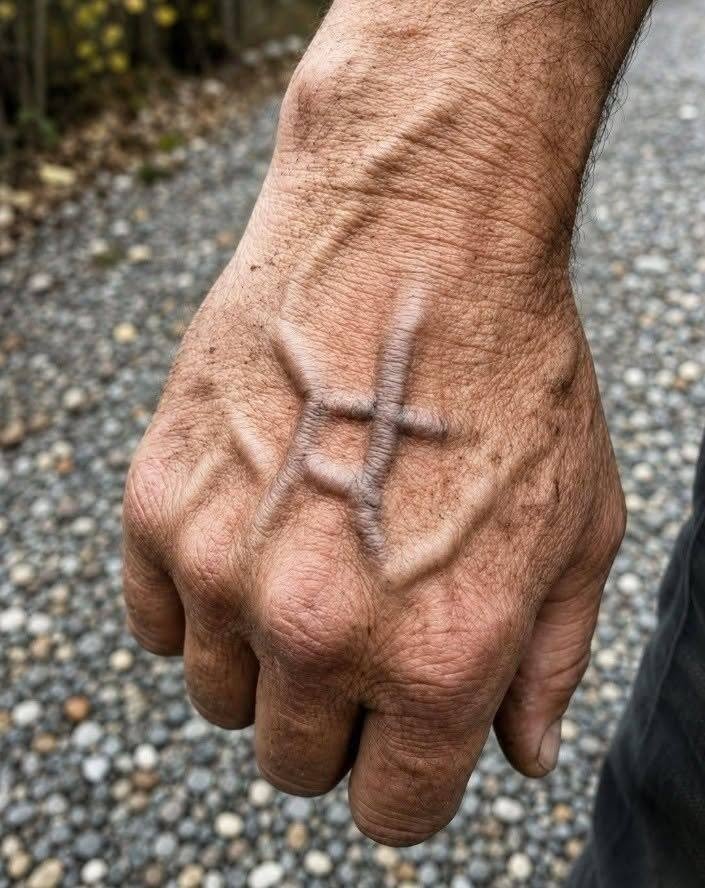
What Does It Mean to Have Visible Veins on Your Body?
You may notice your veins becoming more prominent after exposure to heat or during warm weather.
When blood vessels respond to increased temperature, superficial blood vessels can become more noticeable. This type of temporary change is generally different from the persistent, twisted appearance of varicose veins.
6. Varicose Veins Are a Different Matter
Not all visible veins are varicose veins.
Varicose veins are typically enlarged, swollen, twisted or rope-like veins, most commonly appearing on the legs. They occur when valves inside veins do not function properly, allowing blood to pool and increasing pressure within the vein.
They may cause:
Aching or pain
A heavy feeling in the legs
Itching
Swelling
Muscle cramping
Skin color changes
Visible twisted or bulging veins
Some people have varicose veins without experiencing significant symptoms.
7. Prolonged Sitting or Standing Can Affect Veins
Spending long periods sitting or standing can affect circulation, particularly in the legs.
Blood has to travel against gravity from the legs back toward the heart. When the veins and their valves are not working efficiently, blood can pool in the lower limbs, contributing to swelling and varicose veins.
Regular movement and avoiding long uninterrupted periods of sitting or standing can support healthy circulation.
When Are Visible Veins Usually Not Concerning?
Visible veins are often less concerning when they:
Have been present for a long time
Appear symmetrical
Are not painful
Are not associated with swelling
Do not feel unusually warm
Have not suddenly changed in appearance
Become more noticeable after exercise
Nevertheless, a new or unexplained change in your veins is worth discussing with a healthcare professional, particularly if other symptoms are present.
When Should You See a Doctor?
Consider seeking medical advice if a prominent vein is new, rapidly changing, painful, swollen, red, discolored, or warm to the touch. These features can sometimes indicate inflammation, a blood clot, or another vascular problem.
Persistent swelling, aching, skin changes, or sores on the legs can also be associated with venous disease and should be evaluated.
Seek Urgent Medical Attention for Possible Blood-Clot Symptoms
A blood clot in a deep vein can cause symptoms such as swelling, pain, warmth, and redness or discoloration in a leg. If a clot travels to the lungs, it can cause a pulmonary embolism.
Sudden shortness of breath, chest pain, coughing up blood, or other severe breathing symptoms require emergenc