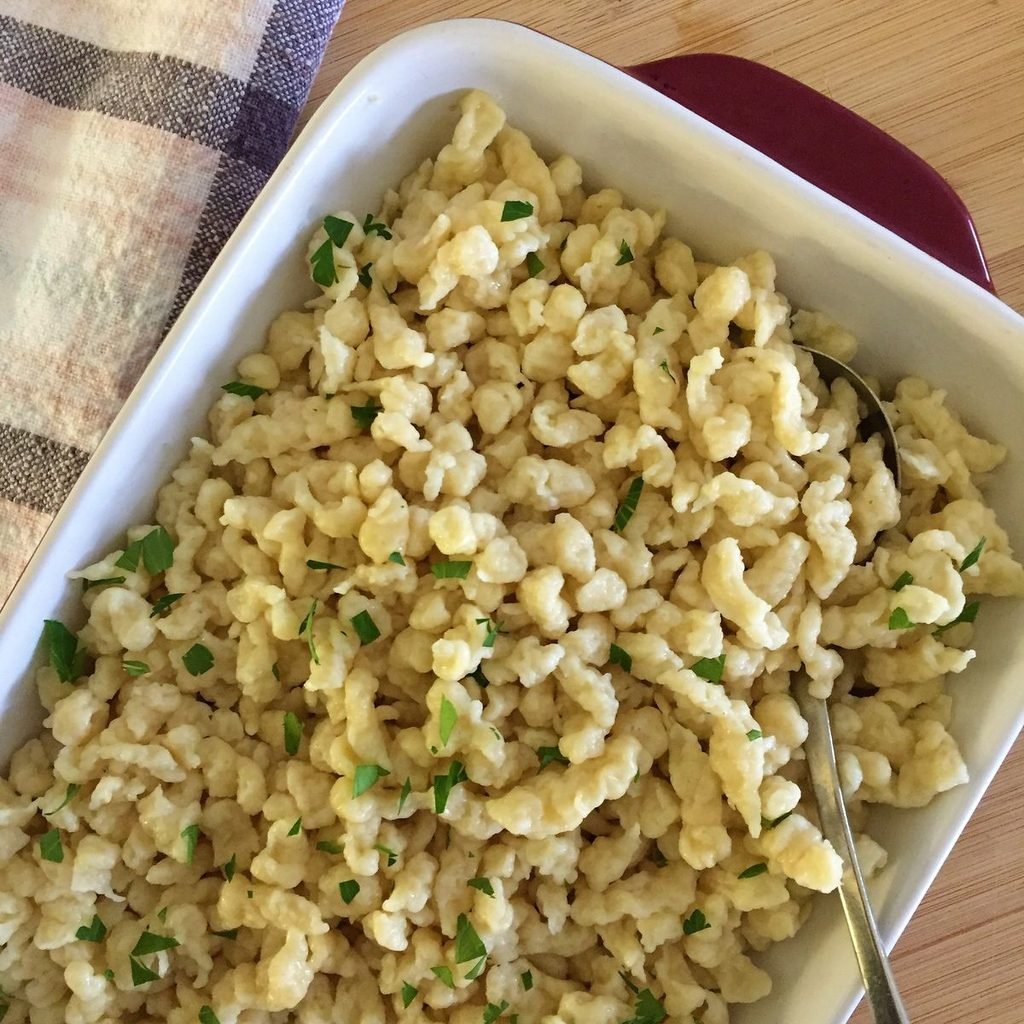
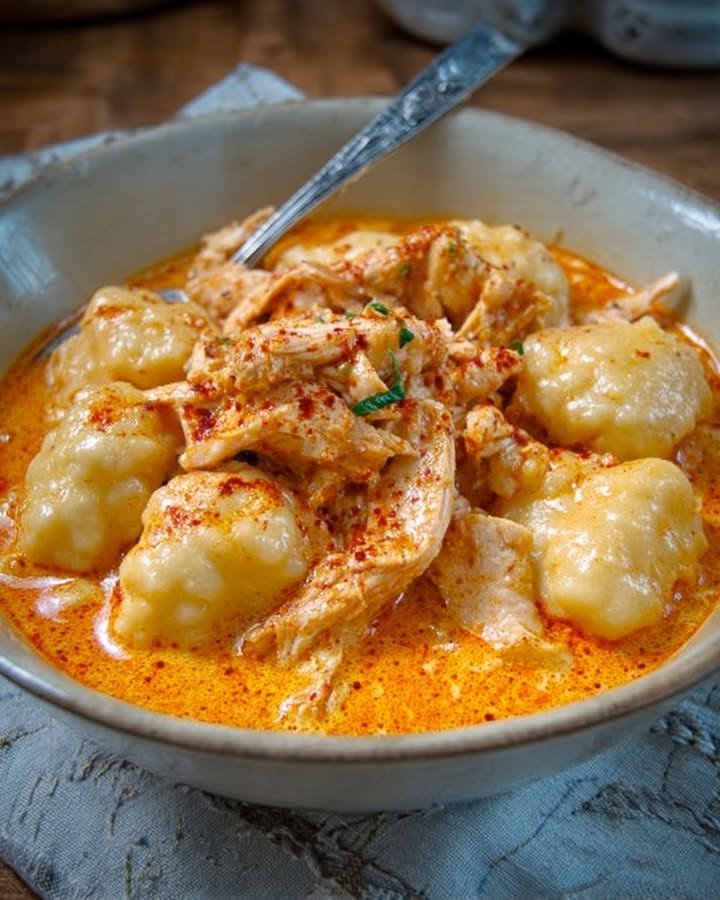
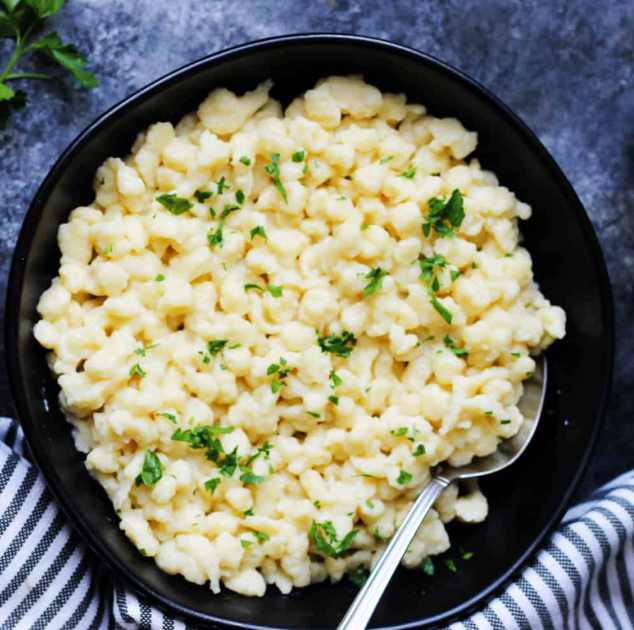
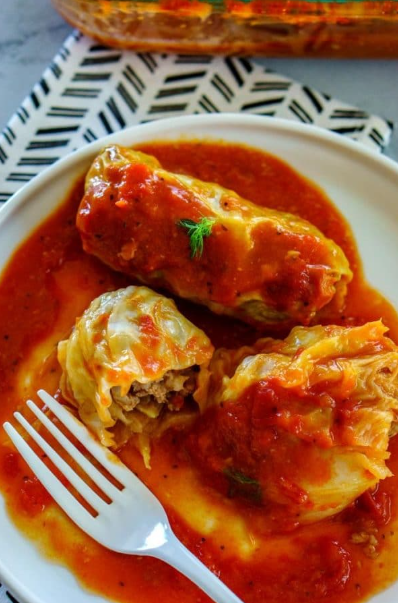
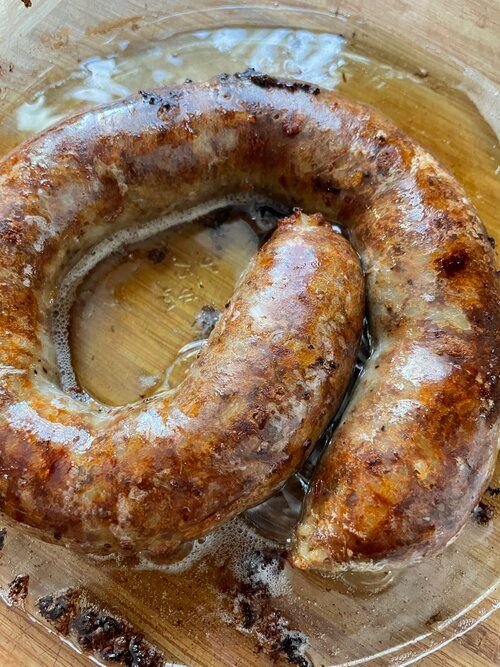
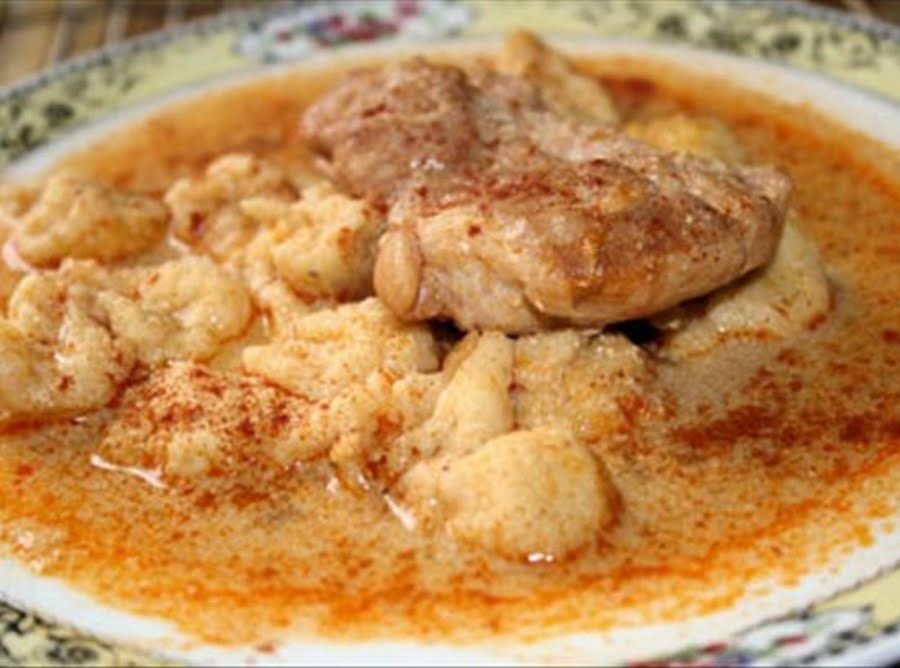
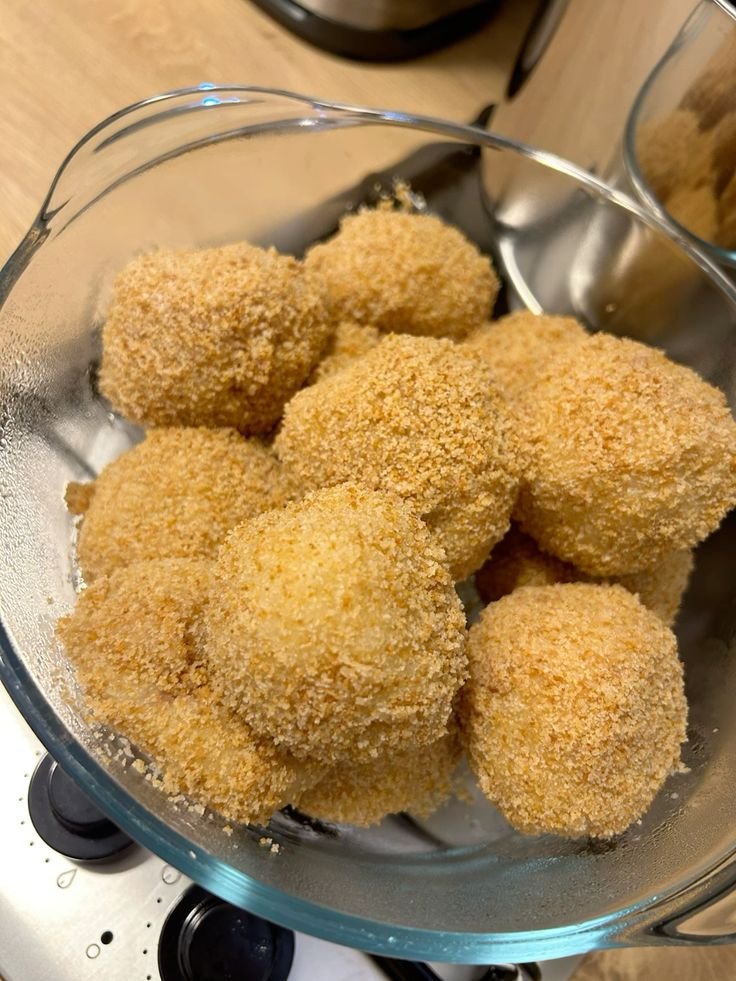
Because the dumplings themselves are relatively simple, they work beautifully with intensely flavored Hungarian dishes.
Variations
Parsley Nokedli
Add finely chopped fresh parsley to the dough for extra color and freshness.
Garlic Nokedli
A small amount of minced garlic can be added for a more pronounced savory flavor.
Sour Cream Nokedli
Serve the finished dumplings with sour cream and fresh herbs.
Egg Nokedli
Add an extra egg for a slightly richer dough and more pronounced egg flavor.
A Little Hungarian Food History
Nokedli is deeply rooted in Hungarian home cooking and belongs to a broader Central European tradition of small boiled egg dumplings.
The preparation is intentionally simple. Instead of rolling and cutting individual pieces of dough, the soft mixture is scraped or pressed directly into boiling water.
This makes nokedli quick to prepare and particularly practical for family meals.
Its popularity is closely connected to classic Hungarian dishes with rich sauces, where the dumplings act almost like edible spoons for collecting every last bit of gravy.
Frequently Asked Questions
Is nokedli the same as spaetzle?
They are very similar. Both are small egg dumplings made from a soft dough and cooked in boiling water. Nokedli is the traditional Hungarian version.
Can I make nokedli without a special tool?
Yes. A large-holed colander, spaetzle maker, or even a knife and cutting board can be used.
Why are my dumplings too hard?
The dough may contain too much flour, or the dumplings may have been overcooked.
Can I make nokedli ahead of time?
Yes, but freshly cooked nokedli has the best texture. If preparing ahead, toss the dumplings lightly with butter or oil and gently reheat them before serving.
Can I freeze nokedli?
Yes. Cool the cooked dumplings completely, toss lightly with oil, and freeze in an airtight container. Thaw and reheat gently.
Final Thoughts
Hungarian Nokedli may be made from only a few basic ingredients, but its place in Hungarian cuisine is special.
These soft, rustic egg dumplings are the perfect partner for rich paprika sauces, hearty stews, and creamy Hungarian dishes. Whether served alongside Chicken Paprikash, Pörkölt, or another traditional meal, nokedli makes sure none of that delicious sauce goes to waste.
Simple, tender, homemade, and unmistakably Hungarian—nokedli is the ultimate comfort-food side dish. 🇭🇺🥣❤️