Hungarian Plum Dumplings (Szilvás Gombóc): A Classic Taste of Hungary
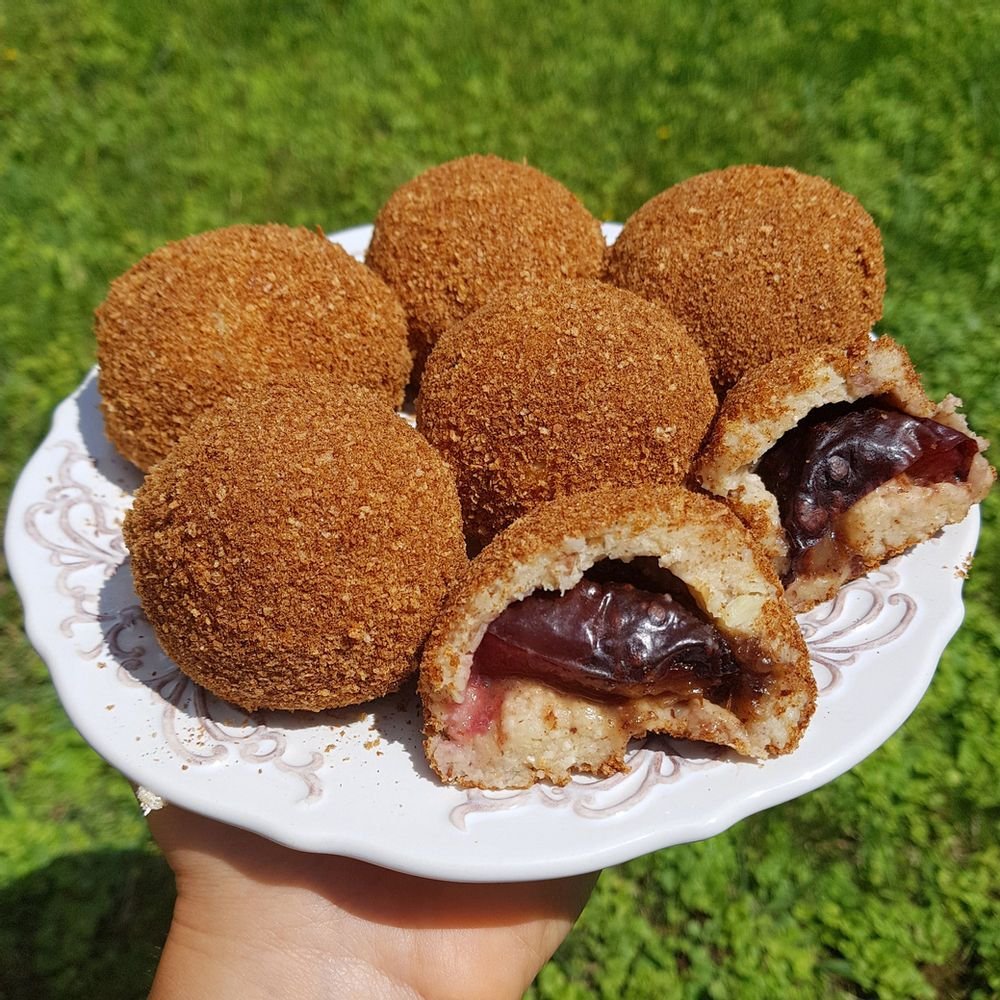
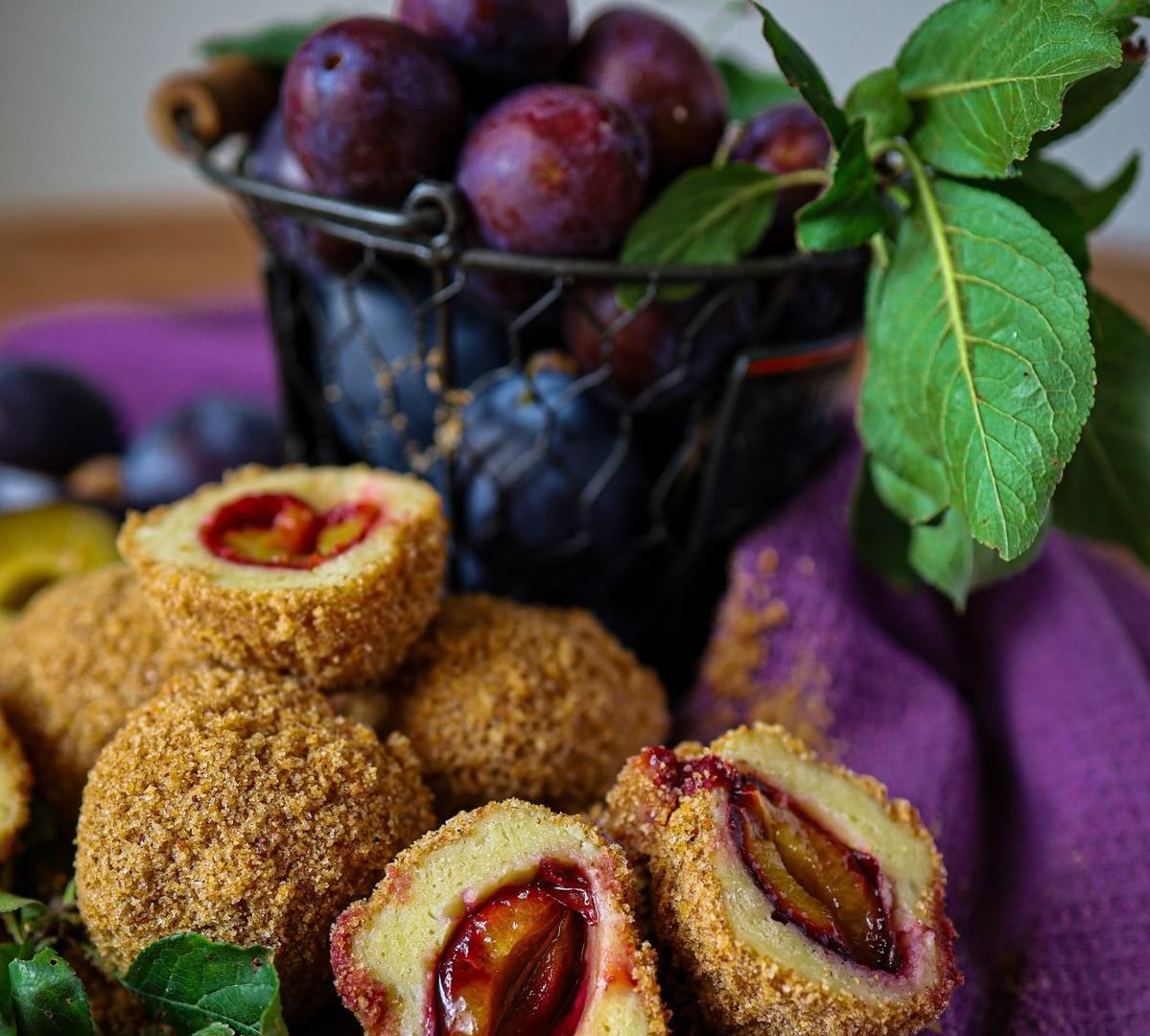
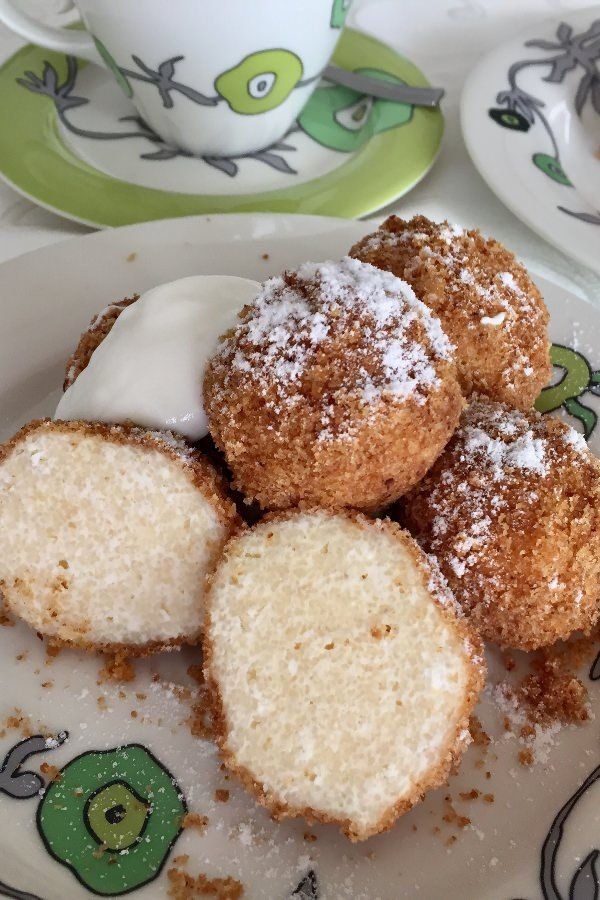
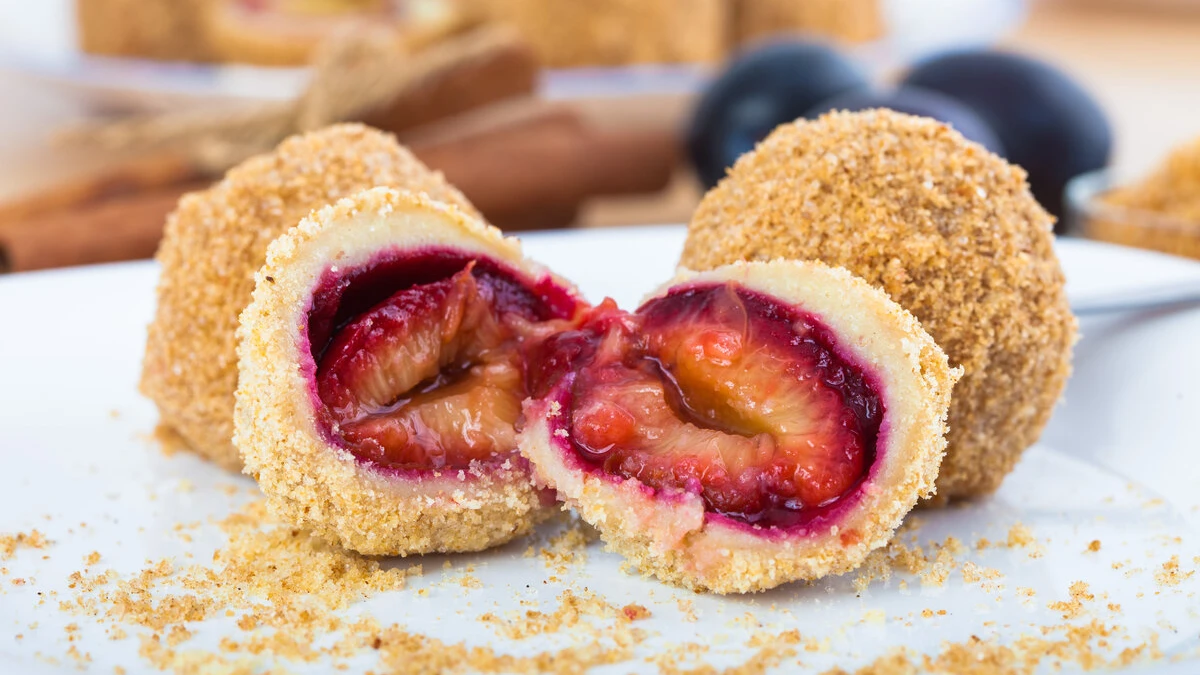
Few Hungarian dishes capture the warmth of traditional home cooking quite like Szilvás Gombóc, or Hungarian Plum Dumplings. Made with a soft potato-based dough wrapped around ripe plums and finished with golden toasted breadcrumbs, these dumplings combine simple ingredients with remarkable flavor.
The contrast is what makes the dessert so memorable: tender potato dough surrounds a warm, juicy plum, while cinnamon sugar and buttery breadcrumbs provide sweetness, fragrance, and texture.
Although Szilvás Gombóc is often enjoyed as a dessert, it can also appear as a sweet main course in Hungarian homes, reflecting the country’s long tradition of hearty, versatile dumpling dishes.
What Is Szilvás Gombóc?
The Hungarian name Szilvás Gombóc translates roughly to “plum dumplings.”
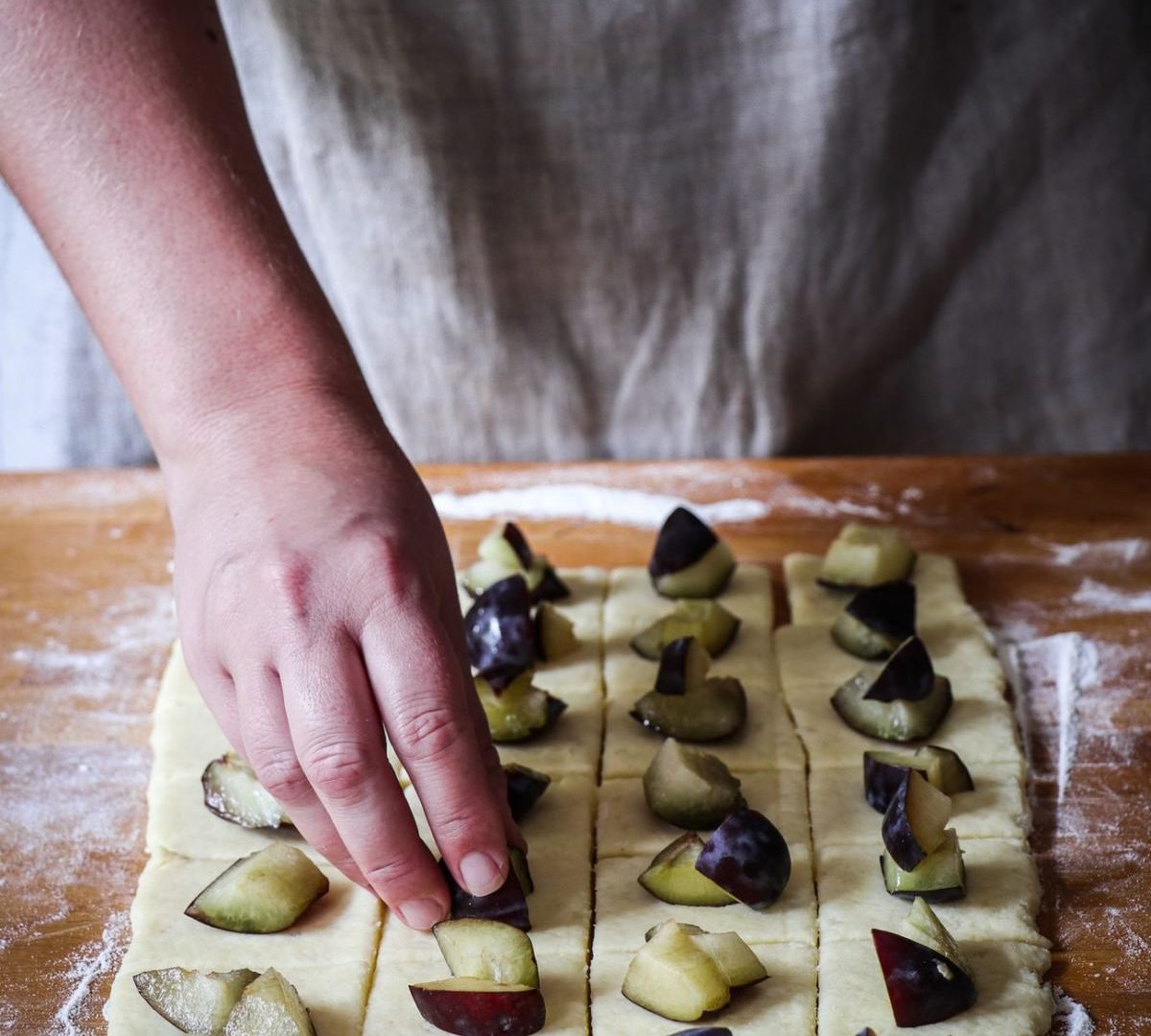
The dish consists of whole plums enclosed in a dough traditionally made with cooked potatoes, flour, and eggs. The dough is rolled out, cut into portions, and wrapped around the fruit before the dumplings are gently boiled.
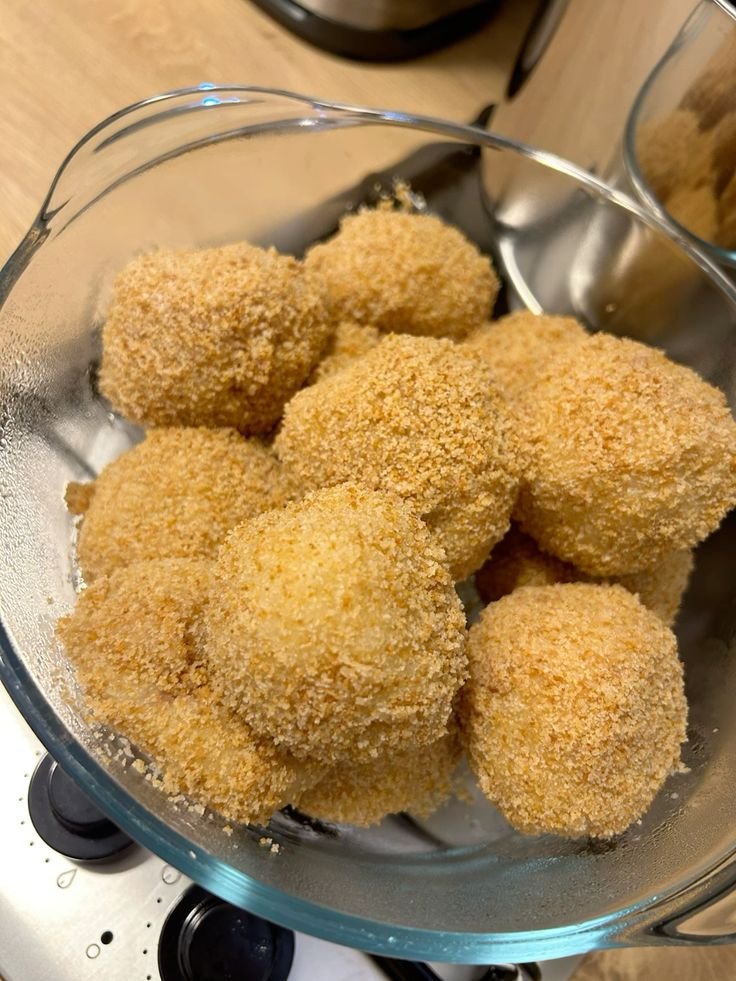
Once cooked, they are coated in breadcrumbs toasted in butter or another cooking fat. Cinnamon and sugar are commonly added to complement the natural tartness of the plums.
The finished dumpling is soft and tender, with a sweet, fruity center and a fragrant, slightly crisp coating.
The Potato Dough
One of the defining characteristics of Hungarian plum dumplings is the use of potatoes in the dough.
Cooked potatoes give the dough a soft, tender texture and help create the characteristic dumpling consistency. Flour and egg are added to provide structure, allowing the dough to surround the fruit without falling apart during cooking.
The balance is important. Too much flour can make the dumplings heavy, while insufficient flour may leave the dough difficult to handle.
Traditional cooks often rely on the texture of the dough rather than measurements alone.
Choosing the Right Plums
The fruit is at the heart of Szilvás Gombóc.
Hungarian-style plum dumplings traditionally work particularly well with small, firm, ripe plums. The fruit should be sweet enough to develop a rich flavor when cooked but firm enough to remain intact inside the dough.
Plums with a pleasant natural acidity are especially effective because their tartness contrasts beautifully with the sweet coating.
The pits are removed before the fruit is enclosed in the dough. Some traditional preparations place a little cinnamon sugar where the pit was removed, allowing the seasoning to melt into the fruit during cooking.