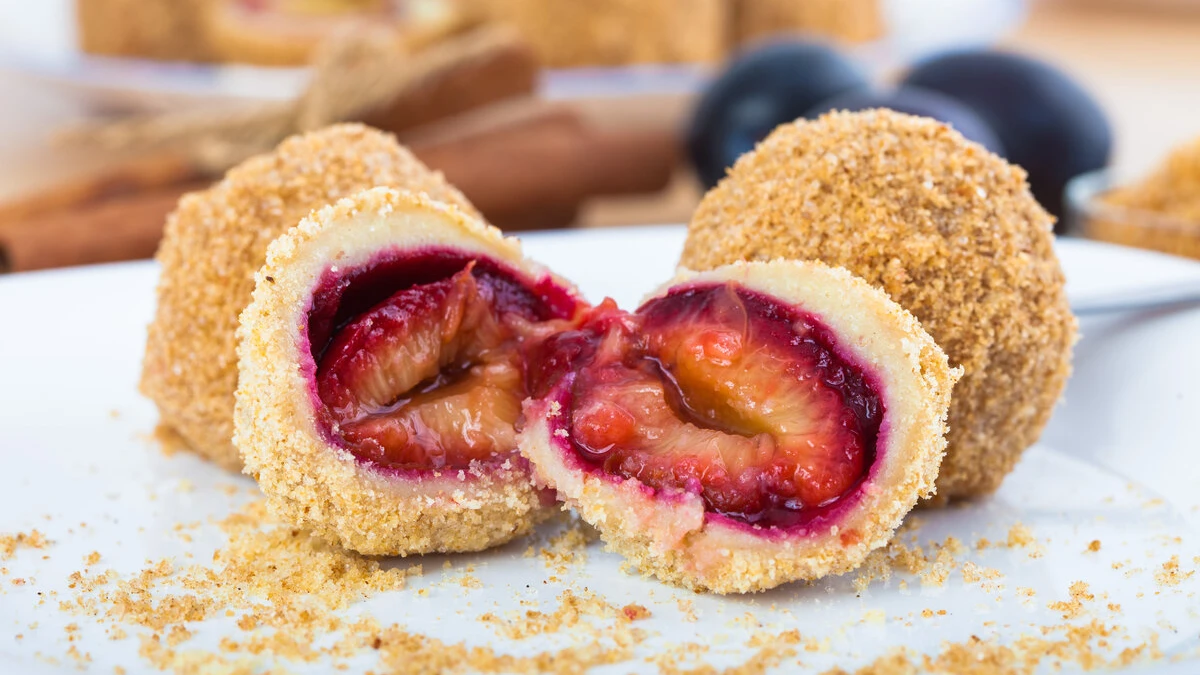
Hungarian Plum Dumplings (Szilvás Gombóc): A Classic Taste of Hungary
The preparation begins by cooking potatoes until tender. They are then mashed thoroughly and allowed to cool.
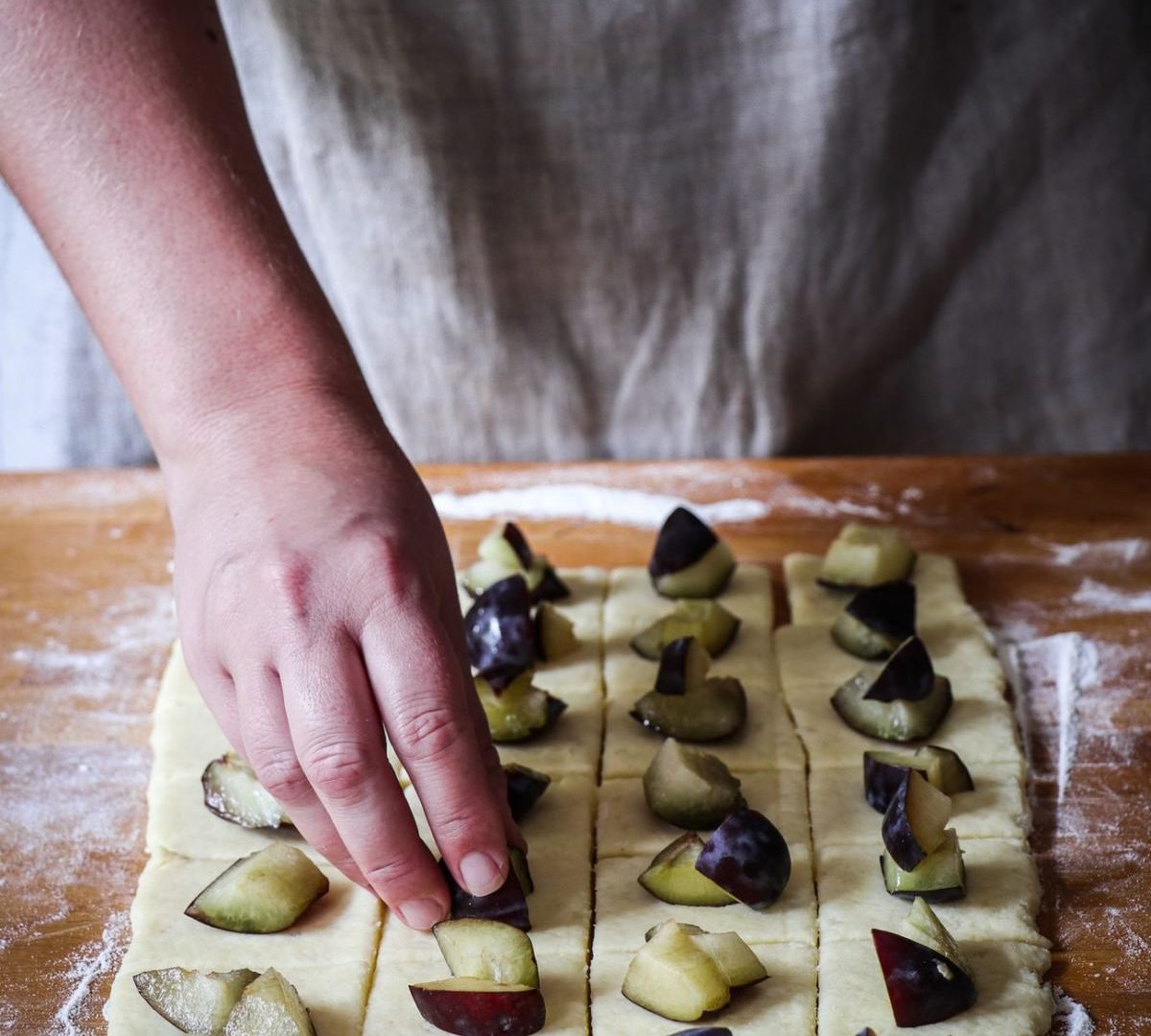
The potatoes are combined with flour and egg to form a soft dough. The dough is rolled out and divided into pieces large enough to completely surround each plum.
A plum is placed in the center of each piece of dough, sometimes accompanied by cinnamon sugar. The dough is then carefully wrapped around the fruit and sealed.
The dumplings are placed into gently boiling water and cooked until they are tender and rise to the surface.
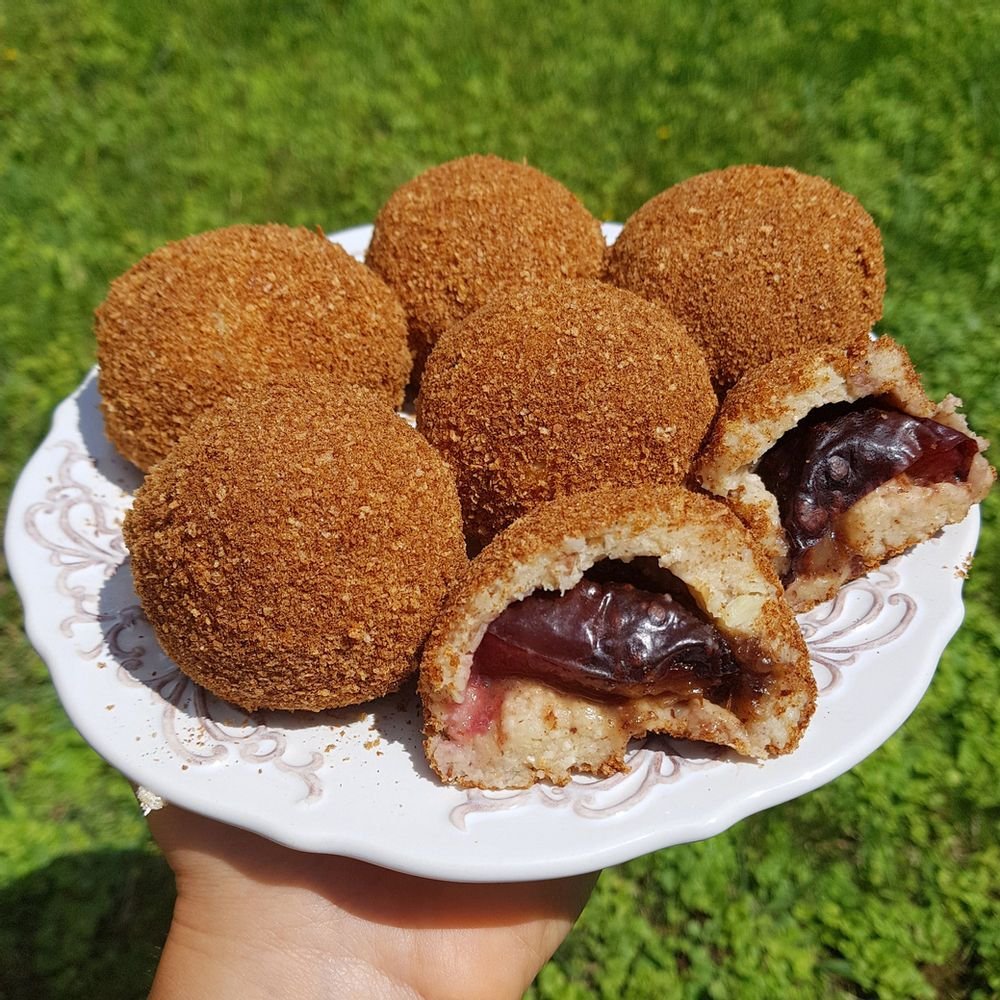
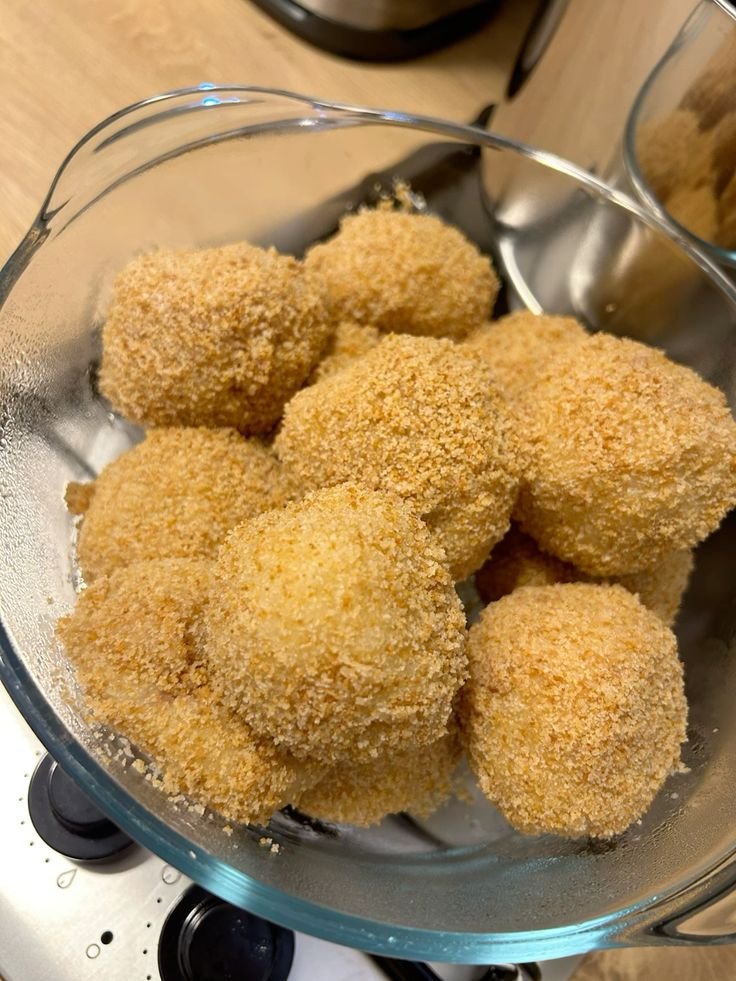
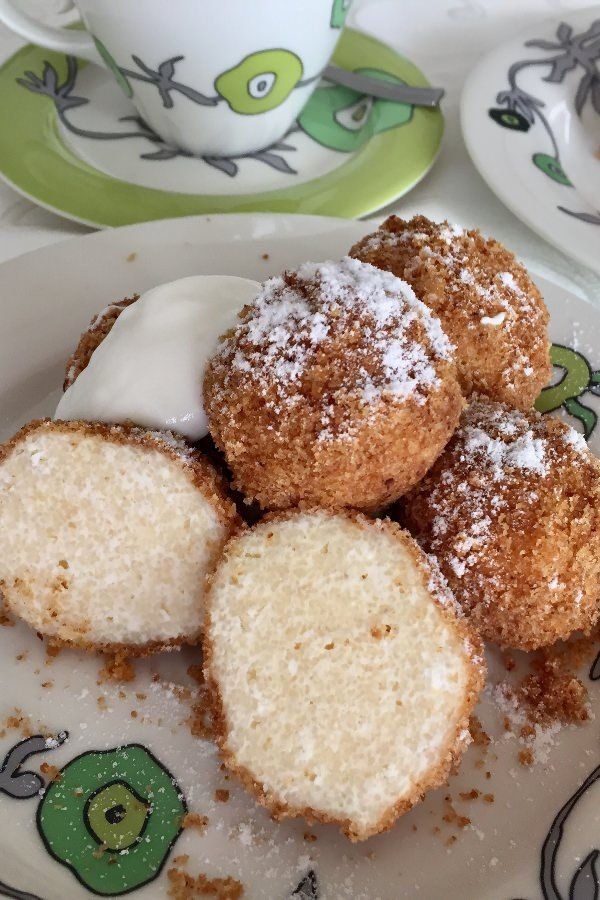
After draining, they are rolled in golden toasted breadcrumbs.
Finally, they are sprinkled with sugar and cinnamon before serving.
The Importance of Toasted Breadcrumbs
The breadcrumb coating is an essential part of Szilvás Gombóc.
Breadcrumbs are toasted gently in butter or another fat until golden and aromatic. The process gives them a nutty flavor and creates a delicate contrast with the soft dumpling.
When the hot dumplings are rolled through the breadcrumbs, the coating adheres to their surface and provides a subtle crispness.
The result is a combination of textures that makes the dish particularly satisfying.
Cinnamon and Sugar
Cinnamon and sugar provide the final layer of flavor.
The warmth of cinnamon complements the fruit, while sugar balances the natural acidity of the plums. Together, they create a familiar flavor profile associated with Central European fruit desserts.
Some preparations use only a modest amount of sugar, allowing the plum to remain the dominant flavor. Others are considerably sweeter.
This flexibility is typical of traditional home cooking, where recipes are frequently adapted according to the season and personal preference.
A Dish That Can Be Dessert or Main Course
One of the most interesting aspects of Szilvás Gombóc is its place in Hungarian dining culture.
Although it is commonly described as a dessert, it can also be served as a sweet main dish.
Hungarian cuisine has a long tradition of sweet dishes appearing as substantial meals, particularly in home cooking. Fruit dumplings, noodles, and other sweet preparations can occupy a different role in the meal than modern Western dining conventions might suggest.
This makes Szilvás Gombóc more than simply a dessert—it is also an example of the distinctive structure of traditional Hungarian cuisine.
The Connection to Hungarian Home Cooking
Szilvás Gombóc is closely associated with family kitchens and seasonal cooking.
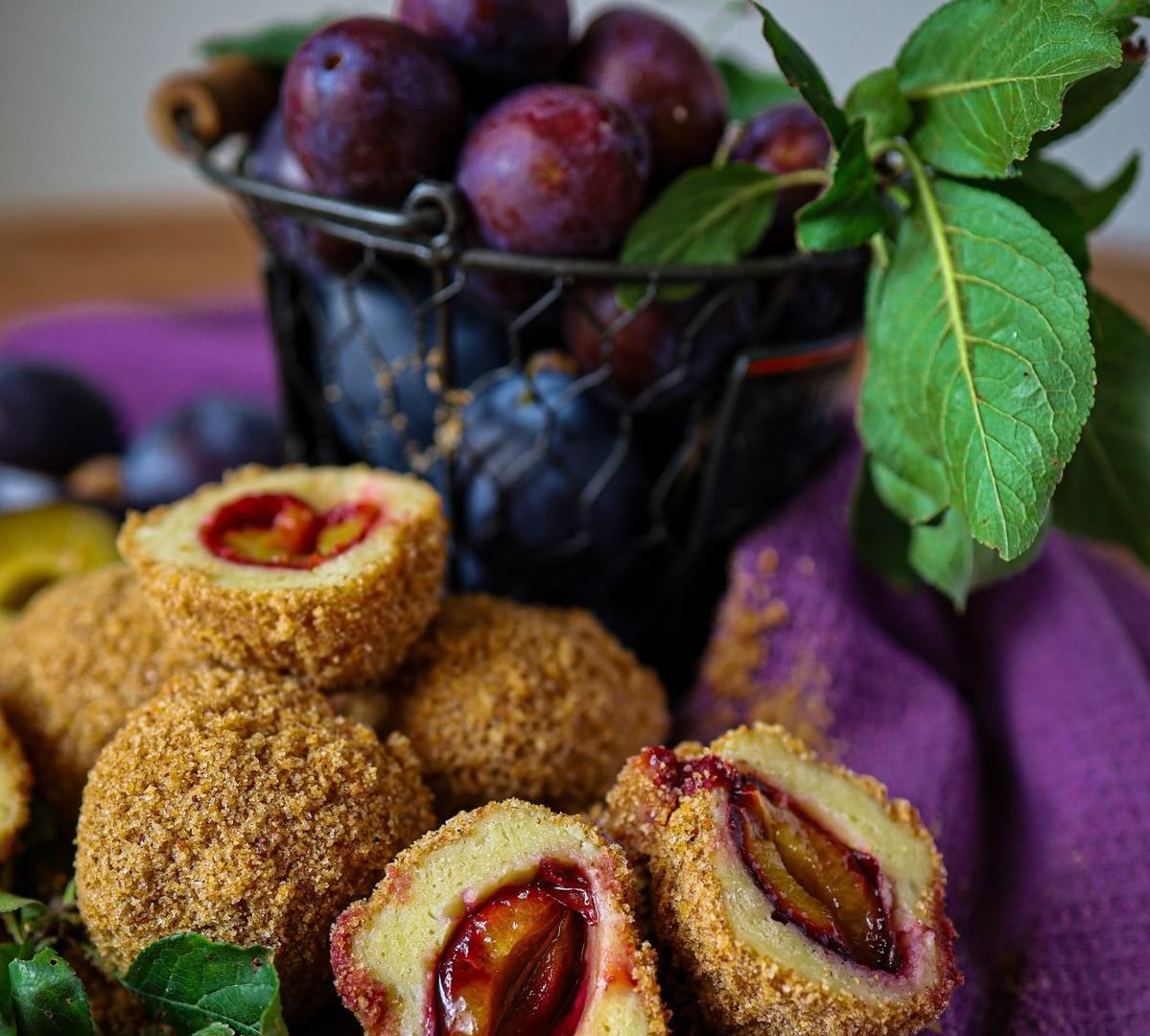
Plums are especially important in Central European culinary traditions, where they have long been used in jams, cakes, preserves, sauces, and dumplings.
The dumplings are also economical. Potatoes, flour, eggs, breadcrumbs, and seasonal fruit can be transformed into a satisfying dish without expensive ingredients.
For many families, preparing Szilvás Gombóc is as much about tradition as it is about food.
Regional and Central European Connections
Plum dumplings are not exclusive to Hungary. Related dishes can be found across Central and Eastern Europe, particularly in countries with strong potato- and fruit-based dumpling traditions.
What distinguishes the Hungarian version is the combination of potato dough, whole plums, toasted breadcrumbs, and cinnamon sugar.
The dish illustrates how neighboring cuisines can share similar techniques while developing their own recognizable culinary identities.
Tips for Perfect Plum Dumplings
A few details can make a significant difference when preparing Szilvás Gombóc.
Use properly cooled potatoes. Excess moisture can make the dough difficult to handle.
Avoid adding excessive flour. A heavily floured dough can become dense rather than tender.
Seal each dumpling carefully. Any opening can allow water to enter or the plum filling to escape during cooking.
Cook gently. Vigorous boiling can cause delicate dumplings to break apart.
Toast the breadcrumbs slowly. Gentle heating helps produce an even golden color and a richer flavor.
Serve soon after coating. The dumplings are particularly enjoyable while warm, when the fruit is juicy and the breadcrumb coating is fragrant.
Why Szilvás Gombóc Remains Beloved
Szilvás Gombóc represents many of the qualities that make Hungarian home cooking distinctive.
It is simple, seasonal, comforting, and deeply connected to tradition.
The dish does not depend on elaborate pastry techniques or expensive ingredients. Instead, its character comes from the careful combination of humble components: potatoes, flour, fruit, breadcrumbs, butter, sugar, and cinnamon.
The transformation is remarkable. What begins as a simple potato dough becomes a delicate shell surrounding warm, fragrant fruit.
Final Thoughts
Hungarian Plum Dumplings, or Szilvás Gombóc, are a classic example of how traditional Hungarian cuisine turns simple seasonal ingredients into something extraordinary.
The tender potato dough, juicy plum center, golden toasted breadcrumbs, and aromatic cinnamon sugar create a dessert—or sweet meal—that is both comforting and memorable.
Whether prepared as a family recipe during plum season or enjoyed as part of an exploration of Hungarian cuisine, Szilvás Gombóc offers a delicious glimpse into the country’s rich tradition of homemade dumplings and fruit-based dishes.
It is a dish that proves great cooking does not always require complicated ingredients. Sometimes, the most memorable recipes are built around the simplest ones.