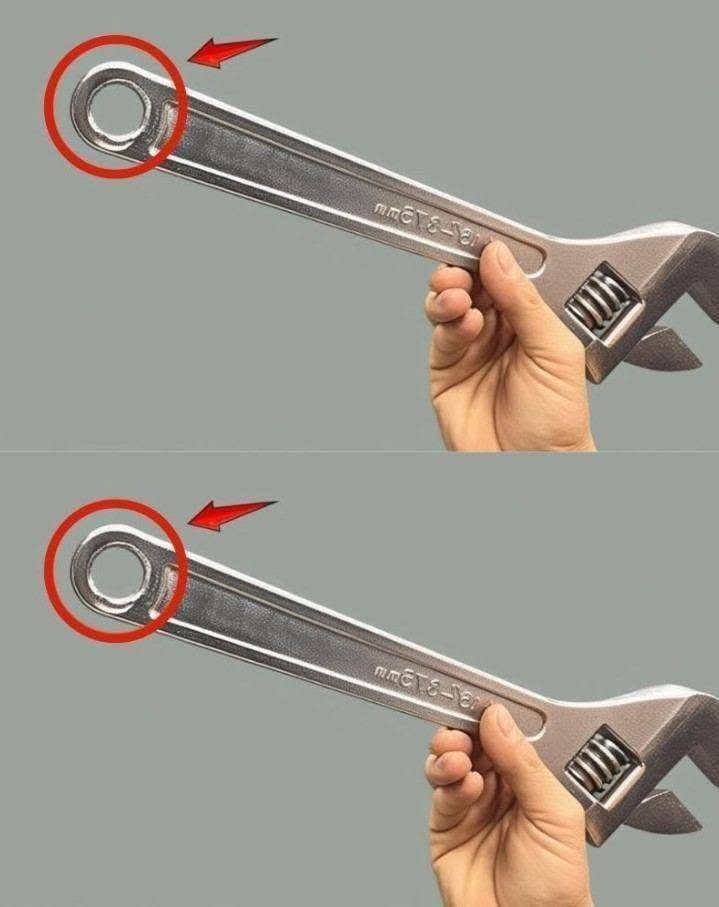
One of the most persistent and dangerous misconceptions about the handle hole is that it is designed to accept a cheater bar—a pipe or a screwdriver inserted into the hole to extend the handle’s length and increase torque. This is unequivocally false and extremely dangerous. The handle of an adjustable wrench is designed to withstand the forces of normal use, but it is not engineered to be a lever point for a secondary bar. Inserting a pipe into the hole and applying force can easily bend the handle, strip the worm gear, or cause the jaws to snap. Furthermore, the wrench is not designed to be used as a pry bar or a hammer; the handle hole is not a reinforced eyelet for heavy pulling or prying. Users must rely on the jaws and the strength of their own grip to turn fasteners, respecting the tool’s design limits.
The Dangers of Improper Use
The consequences of misusing the handle hole extend beyond damaging the tool. A bent handle can cause the wrench to slip off a fastener under load, leading to skinned knuckles or a loss of balance. If the handle fails completely, the user could fall or strike nearby objects. The hole is a storage and safety feature, not a power feature. A professional tradesperson knows that using the correct tool for the job—such as a breaker bar for stubborn bolts—is always safer and more effective than abusing an adjustable wrench. The integrity of the tool relies on the user respecting the engineering boundaries set by the manufacturer.