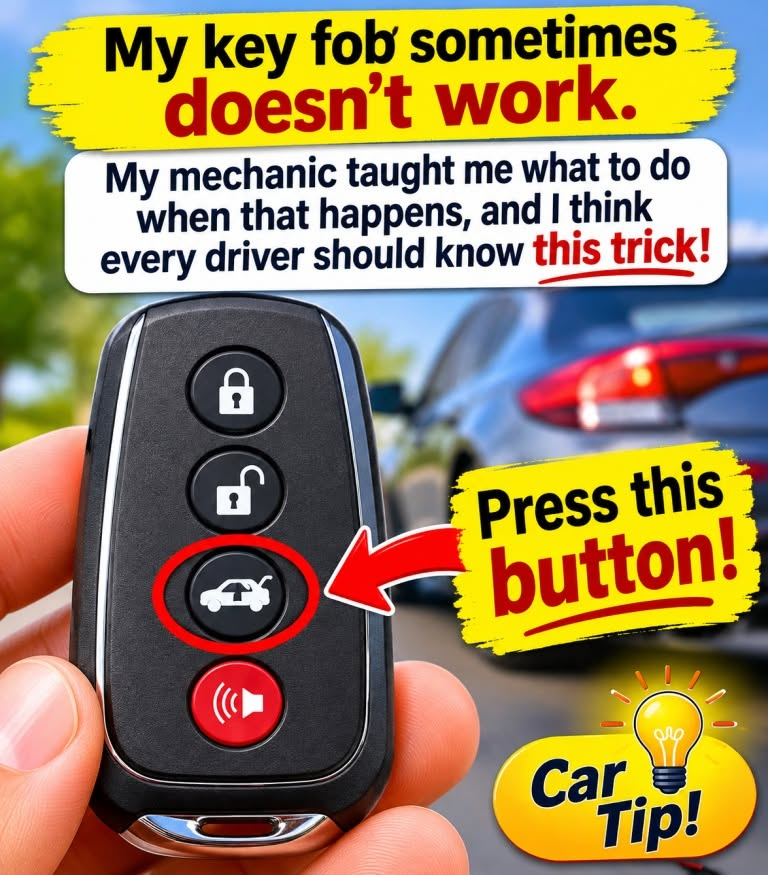
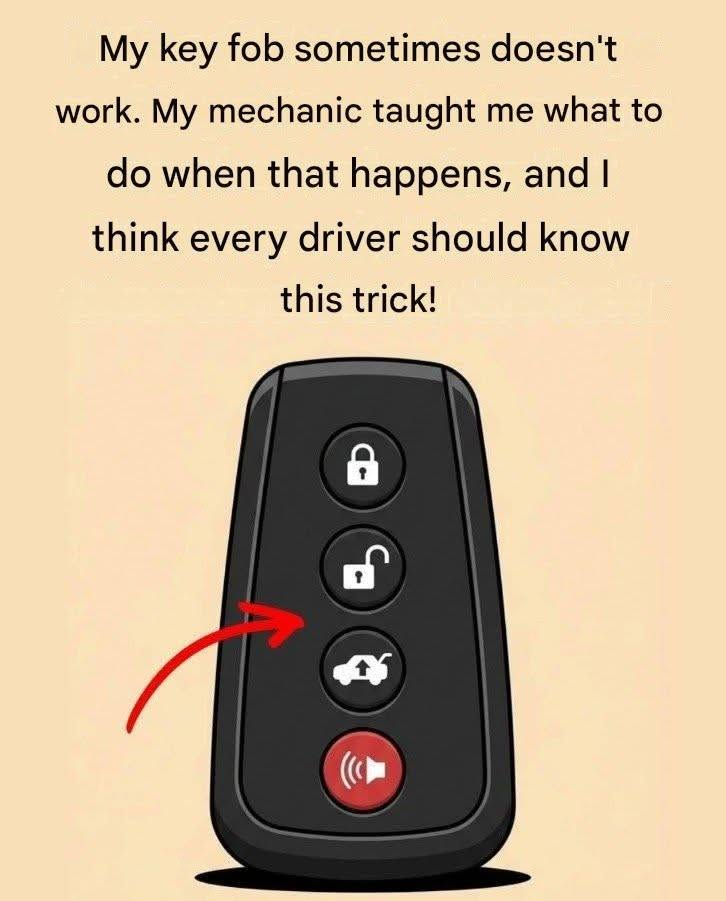
If the fob is unresponsive, the most statistically likely solution is a new battery. Key fobs typically use a CR2032 or CR2025 coin-cell battery, the type of which is usually printed on the old battery or listed in the owner’s manual. To replace it, use a small flathead screwdriver or a coin to gently pry open the fob’s casing along the seam. Take care not to force it, as the plastic clips can break. Note the orientation of the old battery—the positive (+) side typically faces up—and insert the new one correctly. While the fob is open, inspect the metal contacts for corrosion or dirt; a pencil eraser can gently clean them without causing damage. After reassembly, test the fob from a distance to confirm it is working.
When the Fob Loses Its Connection
If a new battery does not restore function, the fob may have lost its synchronization with the vehicle. This can happen after a battery change or due to a software glitch. Reprogramming procedures vary by manufacturer, but a common method involves sitting in the driver’s seat with all doors closed, turning the ignition on and off in a specific sequence, and then pressing a button on the fob. For example, some vehicles require cycling the key between “on” and “off” several times until a chime sounds, then pressing the lock button to complete the pairing. Because these sequences are highly specific, the owner’s manual is the definitive source. If the manual’s procedure fails, a local automotive locksmith or auto parts store can often reprogram the fob quickly and at a lower cost than a dealership.
Hidden Features and Diagnostic Clues
Beyond Lock and Unlock
While the trunk button is not a universal fix, modern key fobs contain several hidden features that can be useful in specific situations. Many vehicles allow you to roll down all windows by pressing and holding the unlock button, or by pressing it twice and holding on the third press. This “global open” function is designed to air out a hot cabin before you get in. Conversely, holding the lock button may close the windows and sunroof on some models. The panic button, marked with a horn or alarm symbol, triggers the vehicle’s horn and lights to help locate your car in a crowded lot or attract attention in an emergency. These features are not universal, and their availability depends on the vehicle’s trim level and equipment package.
Diagnosing the Root Cause
If the fob still fails after a battery replacement and resynchronization attempt, the problem may lie elsewhere. Physical damage from a drop or water exposure can damage the circuit board or battery terminals. If the fob was dropped in water, remove the battery immediately and allow the components to dry completely for at least 24 hours before reassembling. If the buttons feel sticky or unresponsive, the internal contact pads may be worn or dirty. In rare cases, the issue is not the fob at all but the vehicle’s receiver or a blown fuse related to the remote keyless entry system. If multiple fobs fail to work with the same vehicle, the fault is almost certainly in the car, not the remotes. At this point, professional diagnosis is required.
Conclusion
The viral promise that a single button—whether the trunk release or any other—can miraculously restore a failing key fob is a simplification that obscures the real, practical solutions every driver should know. The trunk button serves as a diagnostic clue, revealing whether the fob is transmitting and whether the vehicle’s settings are correctly configured, but it is not a repair. The genuine “tricks” that every driver should master are the manufacturer-designed backup systems: the hidden mechanical key that guarantees access to the vehicle, and the passive RFID chip that allows a dead fob to start the engine when held against the start button. These are not secrets; they are documented in the owner’s manual and exist precisely for the scenario depicted in the image. When a fob fails, the correct approach is methodical: replace the battery, check for interference, attempt resynchronization, and use the mechanical backup if all else fails. By understanding these systems, you can transform a moment of panic into a minor inconvenience, ensuring that a dead key fob never leaves you stranded.
Frequently Asked Questions
1. Will pressing the trunk button on my key fob fix it if it stops working? No. The trunk button is not a universal fix. It is a specific command that often requires a long press or double-tap. If the entire fob is dead, the trunk button will also be unresponsive. If only the trunk button fails while other buttons work, the issue is likely the button sequence or the vehicle’s trunk release system, not the fob’s battery.
2. How do I get into my car if the key fob battery is completely dead? Every key fob contains a hidden mechanical key. Look for a small release latch or button on the fob’s housing, slide out the metal key, and use it to unlock the driver’s door. On many cars, the keyhole is hidden behind a small plastic cover on the door handle that can be pried off.
3. Can I start my car with a dead key fob battery? Yes, in most push-to-start vehicles. The fob contains a passive RFID chip that does not need battery power. Hold the dead fob directly against the start/stop button while pressing the brake pedal. Alternatively, place the fob in the designated backup slot, often located in the center console or armrest.
4. How often should I replace my key fob battery? Key fob batteries typically last three to four years. It is wise to replace them proactively every two and a half to three years, before they fail completely, to avoid being stranded.
5. Why does my key fob work sometimes and not others? Intermittent failure is often a sign of a weakening battery. The fob may work when you are close to the car but fail at a distance. It can also be caused by radio frequency interference in specific locations, such as near cell towers or in certain parking garages.
6. What should I do if my key fob gets wet? Do not press any buttons. Open the fob, remove the battery, and dry the inside thoroughly with a cloth. Let it air dry completely for at least 24 hours before inserting a new battery. Corrosion on the contacts can often be cleaned gently with rubbing alcohol.
7. Can I reprogram a key fob myself? Sometimes. Many vehicles have a do-it-yourself programming sequence, such as turning the ignition on and off several times and pressing a button on the fob. Check your owner’s manual for the specific procedure for your make and model. If the manual’s method fails, a locksmith or dealership can reprogram it for you.
8. Why does my trunk button require a long press or double-tap? This is a safety feature designed to prevent the trunk from opening accidentally, such as when the fob is bumped in your pocket or bag. The exact sequence—one long press, a double-tap, or a specific combination—varies by manufacturer and is detailed in the owner’s manual.
9. What is the “panic button” on my key fob for? The panic button, usually marked with a horn or alarm symbol, triggers the vehicle’s horn and lights. It is designed to help you locate your car in a crowded parking lot or to attract attention in an emergency.
10. When should I give up and call a professional? If you have replaced the battery, attempted resynchronization, and tried the mechanical backup key and the car still will not start or unlock, the issue may be with the vehicle’s receiver, a fuse, or a damaged fob circuit board. At this point, a dealership or automotive locksmith has the diagnostic tools to identify and fix the problem.