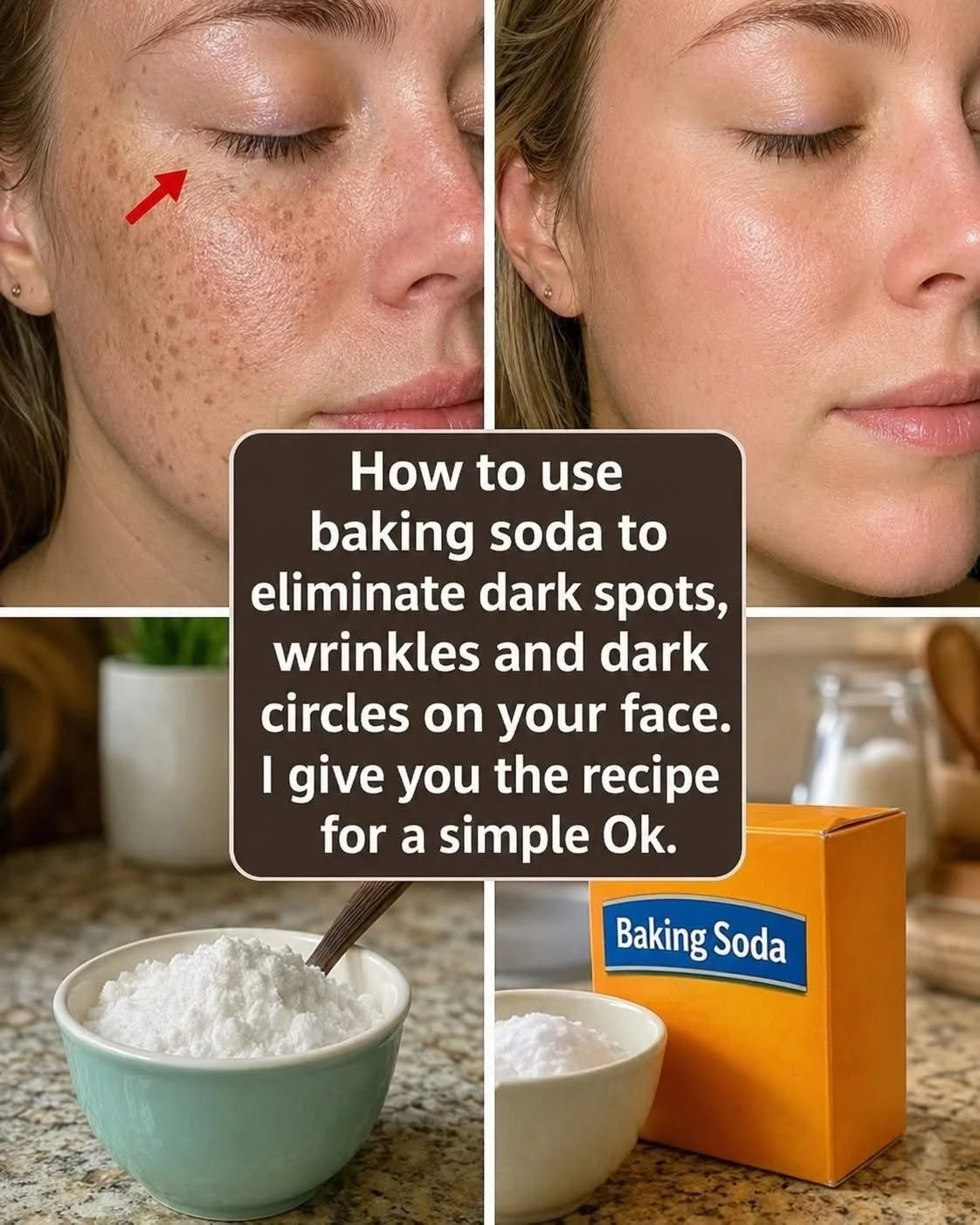
To understand why baking soda is problematic for the face, one must first appreciate the skin’s natural chemistry. The outermost layer of the skin, the stratum corneum, is maintained at a mildly acidic pH. This acidity is not accidental; it supports the activity of enzymes responsible for synthesizing barrier lipids, regulates the skin’s microbiome, and helps defend against pathogenic bacteria and fungi . When an alkaline substance like baking soda is applied to the skin, it temporarily raises the surface pH, disrupting the acid mantle. According to dermatological research, this disruption can lead to decreased barrier function, increased transepidermal water loss, reduced lipid synthesis, and an imbalance in the skin microbiome . A single application may be tolerated, but repeated use can cause cumulative damage, leaving skin dry, irritated, and more vulnerable to environmental stressors. It is worth noting that in standardized cosmetic formulations, baking soda is used at concentrations of only 1% to 5% as a buffering agent, not as a primary active ingredient applied directly to the skin. A homemade baking soda paste is far more concentrated and therefore far more risky.
Dark Spots: Why Baking Soda Cannot Fade Hyperpigmentation
The claim that baking soda can eliminate dark spots is not supported by any credible scientific evidence. Dark spots, such as sun spots, age spots, and post-inflammatory hyperpigmentation, are caused by the overproduction and accumulation of melanin in the skin, often triggered by UV exposure, inflammation, or hormonal changes. To fade these spots, an ingredient must either inhibit the enzyme tyrosinase (which drives melanin production), block the transfer of melanin to skin cells, or accelerate cell turnover to shed pigmented cells faster. Baking soda does none of these things. In fact, because it can irritate the skin, it may worsen the problem. Irritation triggers inflammation, and inflammation can stimulate melanocytes to produce more melanin, a phenomenon known as post-inflammatory hyperpigmentation . This means that using baking soda on dark spots could, paradoxically, make them darker and more persistent. Dermatologists consistently advise against abrasive or alkaline home remedies for hyperpigmentation, recommending instead ingredients with proven efficacy such as vitamin C, niacinamide, azelaic acid, and retinoids.
Wrinkles: The Structural Reality That Baking Soda Cannot Address
Wrinkles are structural changes in the skin. They result from the loss of collagen and elastin fibers in the dermis, thinning of the skin, and the cumulative effects of sun damage and repetitive facial expressions. No topical ingredient can reverse these changes entirely, but certain ingredients—most notably retinoids—have been shown to stimulate collagen production and improve the appearance of fine lines over time . Baking soda has no such effect. It cannot penetrate the skin deeply enough to influence collagen synthesis, and it contains no compounds that have been demonstrated to repair or rebuild the dermal matrix. Any temporary smoothing effect that might be observed after applying a baking soda paste is likely due to the exfoliating action of the abrasive particles, which can temporarily remove dead surface cells and create a smoother appearance. However, this effect is short-lived and comes at the cost of barrier disruption. For genuine improvement in wrinkles, dermatologists recommend sun protection, retinoids, and professional treatments such as laser resurfacing or neuromodulators, depending on the type and severity of the wrinkles.
Dark Circles: A Complex Problem with No Simple Solution
Dark circles under the eyes are among the most stubborn and multifactorial skin concerns. They can be caused by genetics, skin thinning that reveals underlying blood vessels, hyperpigmentation, shadows cast by hollowing or puffiness, or lifestyle factors such as lack of sleep and allergies. There is no single ingredient that reliably addresses all of these causes, and baking soda certainly does not. The skin under the eyes is extremely thin and delicate, making it particularly vulnerable to irritation from alkaline substances. Applying baking soda near the eyes could cause redness, stinging, and swelling, and may exacerbate the appearance of dark circles by irritating the sensitive periorbital skin. Dermatologists recommend targeted treatments based on the underlying cause, such as caffeine-containing eye creams for puffiness, retinoids for skin thinning, and sun protection to prevent further pigmentation. For persistent or severe dark circles, professional treatments such as fillers or laser therapy may be considered.