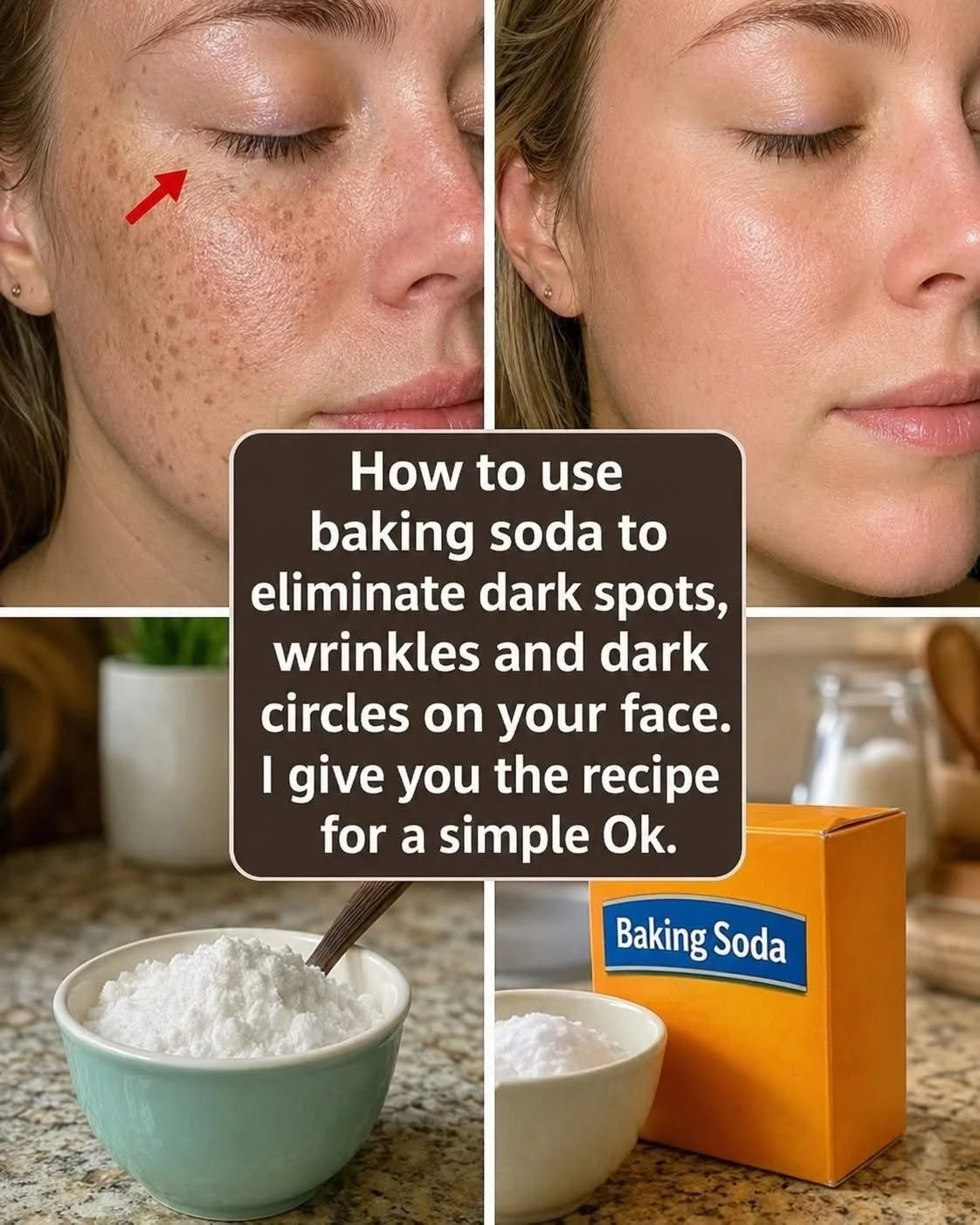
The popularity of baking soda as a DIY skincare ingredient has led to a range of reported adverse effects. Dermatologists warn that the alkaline nature of baking soda can cause contact dermatitis, characterized by redness, itching, and burning . It can also exacerbate conditions like eczema and rosacea, which are characterized by a compromised skin barrier. The abrasive texture of baking soda particles can cause micro-tears in the skin when scrubbed, creating entry points for bacteria and increasing the risk of infection. Over time, repeated use can lead to chronic dryness and sensitivity, as the skin struggles to repair its barrier. In a case widely cited in dermatology circles, a woman who used baking soda as a facial exfoliant developed severe irritation and had to undergo treatment to restore her skin barrier. The lesson is clear: ingredients that are safe in the kitchen are not automatically safe for the skin, and the skin on the face is particularly vulnerable.
What Actually Works: Evidence-Based Alternatives
For each of the concerns that baking soda is falsely claimed to address, there are evidence-based alternatives that dermatologists recommend. For dark spots, ingredients such as vitamin C, niacinamide, tranexamic acid, azelaic acid, and retinoids have clinical evidence supporting their use in fading hyperpigmentation. For wrinkles, topical retinoids (such as tretinoin) are the gold standard, supported by decades of research demonstrating their ability to stimulate collagen and improve fine lines. Sun protection is essential for preventing further damage. For dark circles, the approach depends on the cause; caffeine eye creams can reduce puffiness, hyaluronic acid can hydrate and plump, and retinoids can improve skin texture over time. For all of these concerns, a gentle, pH-balanced cleanser and a moisturizer that supports the skin barrier are foundational. Unlike baking soda, these products are formulated to respect the skin’s natural pH and to deliver active ingredients in a stable, effective form.
The Role of Patch Testing and Professional Guidance
If someone is determined to try a new skincare ingredient, dermatologists recommend patch testing first. Apply a small amount of the product to the inner forearm or behind the ear and wait 24 to 48 hours to see if a reaction occurs. This is particularly important for sensitive skin. However, for baking soda specifically, the recommendation is simply to avoid it. The risks outweigh any theoretical benefit, and there are safer, more effective alternatives. For persistent skin concerns, consulting a board-certified dermatologist is the most reliable path to an effective treatment plan. A dermatologist can diagnose the specific cause of dark spots, wrinkles, or dark circles and recommend a personalized approach that is both safe and effective.
Why the Viral Claim Persists
Despite the lack of evidence and the warnings from professionals, the baking soda skincare trend continues to circulate on social media. It appeals to the desire for simple, affordable, natural solutions. The before-and-after images are compelling, but they are often manipulated through lighting, editing, or the use of different subjects. The comment sections are filled with people asking for the recipe and sharing anecdotal success stories, creating a sense of social proof. What is missing is any input from dermatologists, who would immediately recognize the risks. The persistence of the trend is a reminder that virality is not a measure of accuracy, and that when it comes to skin health, skepticism and professional guidance are essential.
Conclusion
The viral claim that baking soda can eliminate dark spots, wrinkles, and dark circles is not supported by science and carries real risks. Baking soda’s alkaline pH disrupts the skin’s acid mantle, compromising the barrier and leading to irritation, dryness, and potentially worsening hyperpigmentation. It cannot fade dark spots, because it does not inhibit melanin production or accelerate cell turnover; in fact, the irritation it causes may make spots darker. It cannot reverse wrinkles, because it does not stimulate collagen or repair the dermal matrix. And it cannot treat dark circles, which have complex and varied causes that require targeted approaches. The evidence-based alternatives—vitamin C, niacinamide, retinoids, sun protection, and professional treatments—are the reliable path to healthier, clearer skin. The next time a viral post promises a miracle from the kitchen cabinet, remember that the skin is a complex organ with specific needs, and the simplest solution is not always the safest or the most effective.
Frequently Asked Questions
Can baking soda really remove dark spots? No. There is no scientific evidence that baking soda fades hyperpigmentation. It does not inhibit melanin production or accelerate cell turnover. Because it can irritate the skin, it may actually worsen dark spots by triggering post-inflammatory hyperpigmentation .
Is baking soda safe for facial skin? It is not recommended. Baking soda has a pH of 8 to 9, which is much higher than the skin’s natural pH of 4.5 to 5.8. Applying it directly can disrupt the acid mantle, damage the skin barrier, and cause irritation, dryness, and sensitivity .
Can baking soda reduce wrinkles? No. Wrinkles are caused by collagen and elastin loss in the dermis. Baking soda cannot penetrate deeply enough to influence collagen synthesis or repair the skin’s structural matrix. Any temporary smoothing is due to surface exfoliation, not genuine anti-aging effects.
Can baking soda help with dark circles under the eyes? No. Dark circles have multiple causes, including genetics, skin thinning, and hyperpigmentation. The skin under the eyes is very delicate, and applying an alkaline substance like baking soda can cause irritation and redness, potentially making the problem worse.
What are safer alternatives for fading dark spots? Dermatologists recommend ingredients with proven efficacy, including vitamin C, niacinamide, azelaic acid, tranexamic acid, and retinoids. Sun protection is also essential to prevent new spots from forming .
What should I use for wrinkles instead of baking soda? Topical retinoids (such as tretinoin) are the gold standard for improving fine lines and stimulating collagen. Daily sunscreen is essential for prevention. For more significant wrinkles, professional treatments like laser resurfacing or neuromodulators may be considered.
Why do before-and-after photos in viral posts look so convincing? They are often manipulated through changes in lighting, camera angle, editing, or the use of different subjects. Legitimate clinical photos are taken under standardized conditions. Comparing the color of the background or the gums can sometimes reveal whether an image has been altered.
Can baking soda cause skin irritation? Yes. Its alkaline pH can disrupt the skin barrier and cause contact dermatitis, redness, itching, and burning. It can also exacerbate conditions like eczema and rosacea. The abrasive particles can cause micro-tears when scrubbed .
What should I do if I’ve already used baking soda on my face and experienced irritation? Stop using it immediately. Rinse with cool water, apply a gentle, fragrance-free moisturizer to support the skin barrier, and avoid other irritating products until the skin has calmed. If irritation persists, consult a dermatologist.
Is it ever safe to use baking soda on the skin? In standardized cosmetic formulations, baking soda is used at low concentrations (1% to 5%) as a buffering agent, not as a primary active ingredient. Homemade pastes are far more concentrated and carry significant risk. For most skin types, it is best avoided entirely.