Why Does This Shirt Have These Tiny Holes? The Surprising Reason Behind the Damage
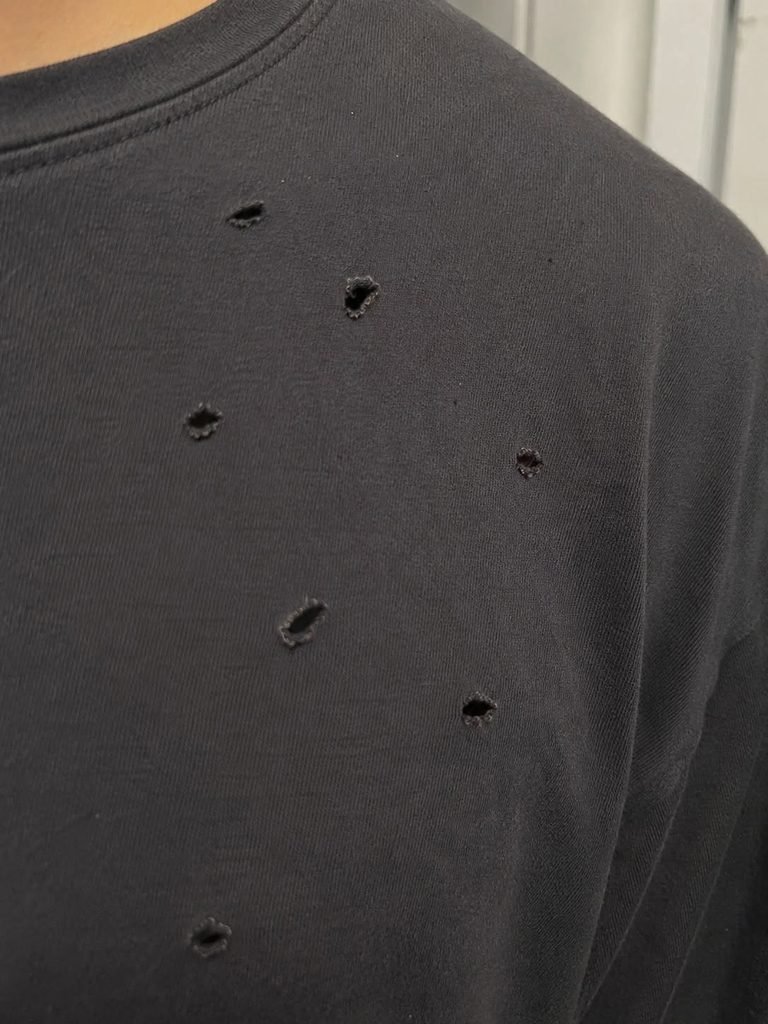
The location is one of the biggest clues.
When someone wears a T-shirt tucked loosely over jeans or trousers, the fabric can repeatedly come into contact with the button or metal hardware at the waist.
Everyday movements—sitting down, leaning forward, reaching across a counter, or bending over—can push the fabric against that same spot.
The friction may be so gradual that you don’t notice anything until several tiny holes appear.
Why Are T-Shirts Especially Vulnerable?
Many modern T-shirts are made from relatively lightweight cotton or cotton-blend knits.
Knitted fabrics have loops of yarn rather than the simpler over-under structure of woven fabrics. Once fibers in a small area become damaged, the surrounding loops can loosen and create a visible opening.
Repeated washing and drying can also contribute to fabric wear, particularly when a garment is already experiencing mechanical abrasion.
Is the Washing Machine to Blame?
Sometimes—but not necessarily by itself.
A washing machine can put mechanical stress on clothing, especially during vigorous cycles. Zippers, hooks, rough fasteners, and other garments can also rub against delicate fabric.
However, when tiny holes repeatedly appear in the same general area of several shirts, everyday friction from clothing or surfaces is often worth investigating.
How Can You Prevent More Holes?
A few simple changes may help extend the life of your shirts:
1. Check Your Jeans Button
Run your finger around the button and surrounding hardware. If there are sharp edges or rough surfaces, they may be repeatedly catching the shirt.
2. Pay Attention to Your Work Surface
If you regularly lean against a kitchen counter, desk, or workbench, check whether the edge is rough enough to rub against your clothing.
3. Turn Shirts Inside Out
Washing T-shirts inside out can reduce some surface abrasion and help protect prints and finishes.
4. Use Gentler Washing
A gentler cycle and appropriate water temperature can reduce unnecessary mechanical stress on lightweight fabrics.
5. Don’t Ignore the First Tiny Hole
Once you notice a small opening, repair it early if possible. A tiny damaged area can gradually become larger with continued wear.
Could Insects Be Responsible?
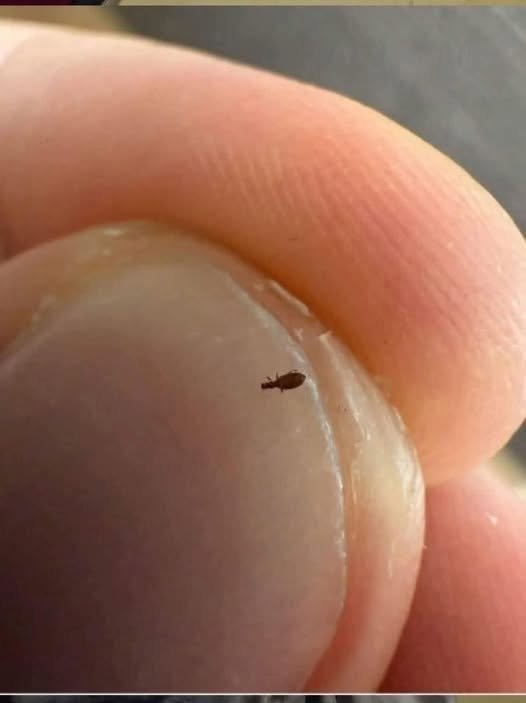
Insects can damage textiles, but the pattern and location of the holes matter.
Clothing pests such as clothes moth larvae can damage certain natural fibers, while other insects may occasionally affect stored textiles. But a few small holes concentrated around the front waist area of everyday T-shirts are not automatically evidence of an insect infestation.
If you see holes appearing in many different locations, particularly on clothing stored away for long periods, then examining the storage area would make sense.
The Mystery May Be Sitting Right at Your Waist
One of the most useful clues in cases like this is the combination of small holes + repeated location + everyday clothing.
Instead of immediately blaming the washing machine or insects, look at what your shirt touches throughout the day.
Sometimes the culprit is something as ordinary as a jeans button repeatedly rubbing against the fabric.
Final Thoughts
Those mysterious little holes aren’t necessarily a sign that your shirt is defective. They can be the result of hundreds or thousands of tiny moments of friction that gradually weaken the fabric.
So if your favorite T-shirts keep developing small holes in the same area, check your waistband, buttons, belt, countertop, and other surfaces you regularly lean against.
The mystery may be much simpler than it first appears.