Gradually pour in the water while mixing with a wooden spoon.
Continue mixing until you have a thick, sticky, soft dough. It should not be as firm as pasta dough.
The exact amount of water can vary, so add it gradually.
2. Bring the Water to a Boil
Bring a large pot of generously salted water to a rolling boil.
Reduce the heat slightly so the water remains at a steady boil without becoming excessively violent.
3. Shape the Dumplings
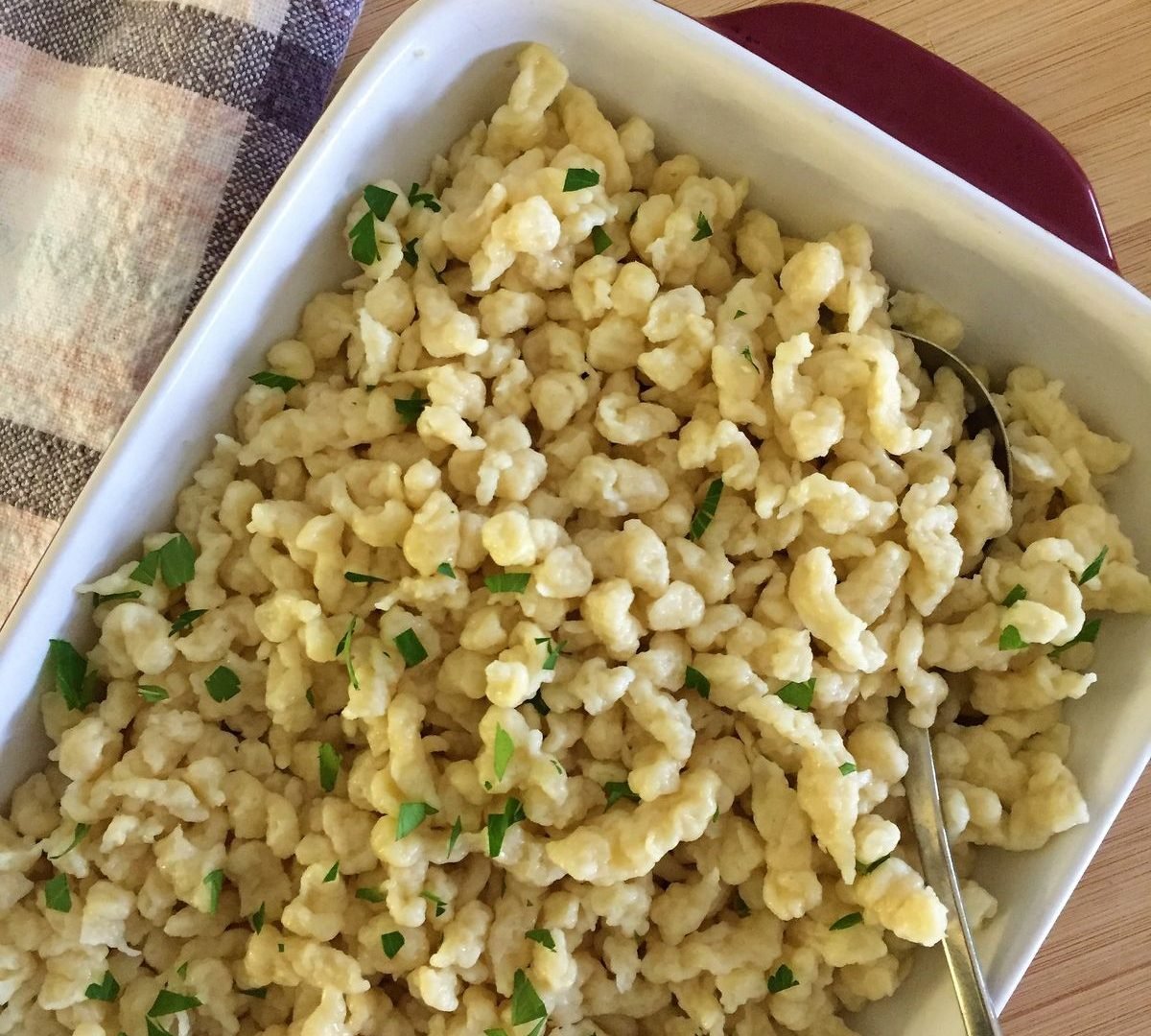
Traditionally, Galuska is made using a nokedli maker or spaetzle-style dumpling press.
Place a portion of the dough into the press and push small pieces directly into the boiling water.
If you don’t have a dumpling maker, you can use a small spoon and drop small pieces of dough into the water.
4. Cook
The dumplings cook quickly.
Once they float to the surface, allow them to cook for approximately 1–2 additional minutes.
Taste one to make sure it is soft and cooked through.
5. Drain
Remove the Galuska with a slotted spoon or drain them in a colander.
Toss them with a little butter to prevent sticking and add extra richness.
How to Serve Galuska
Galuska is incredibly versatile and can be served with many Hungarian dishes.
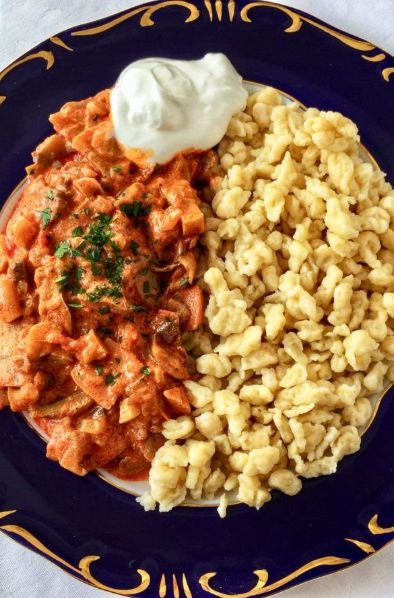
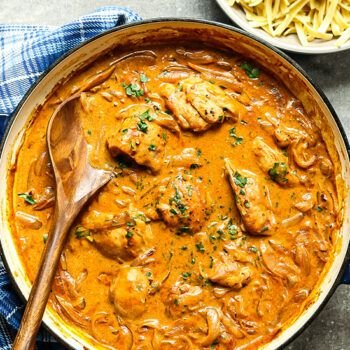
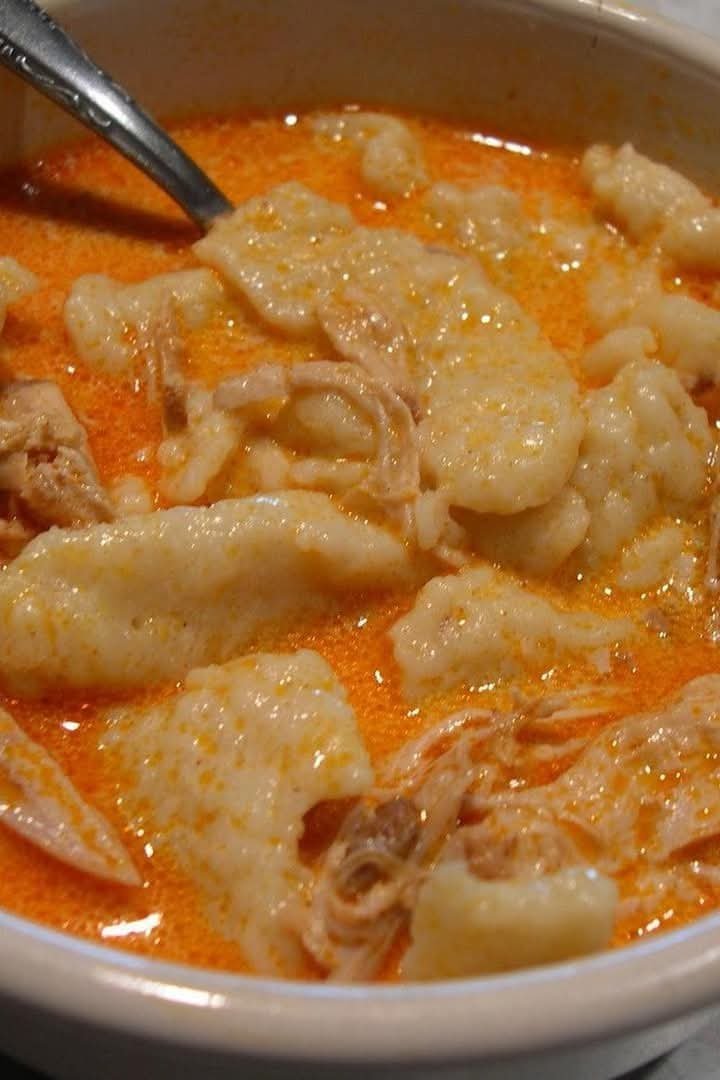
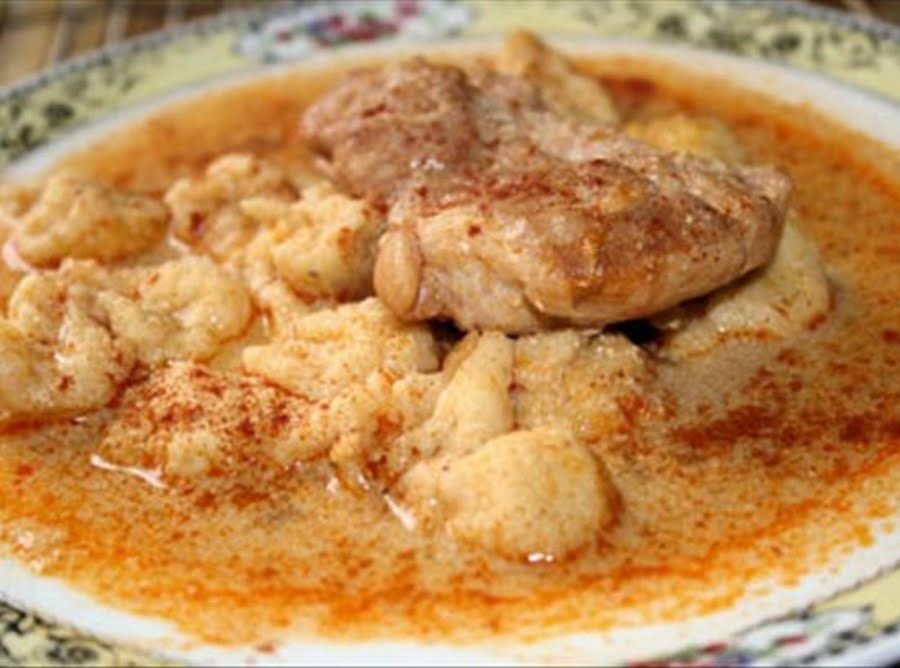
Classic Chicken Paprikash
The most famous pairing is Chicken Paprikash (Paprikás Csirke). Spoon the creamy paprika sauce generously over the dumplings.
Hungarian Stews
Galuska also works beautifully with:
Beef goulash
Pork paprikash
Beef stew
Mushroom paprikash
Veal paprikash
As a Simple Side Dish
For a quick meal, toss warm Galuska with butter and fresh parsley. You can also add a little grated cheese or sour cream.
Tips for Perfect Galuska
Don’t make the dough too firm. A soft, sticky dough produces the characteristic tender texture.
Don’t overcook the dumplings. Galuska should be soft and light rather than dense or chewy.
Use plenty of water. A large pot gives the dumplings enough space to cook evenly.
Cook in batches if necessary. Adding too much dough at once can lower the water temperature and cause the dumplings to stick together.
What Makes Galuska Different From Pasta?
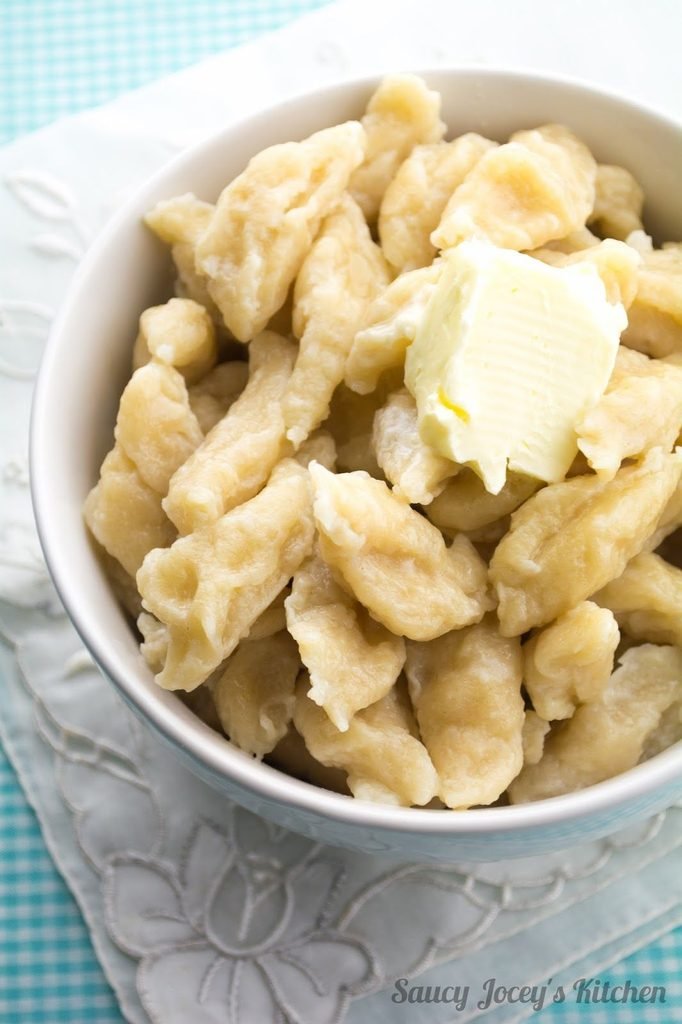
Although Galuska contains similar basic ingredients to homemade pasta, the preparation is quite different. Instead of rolling and cutting the dough, the soft mixture is dropped directly into boiling water.
This creates the dumplings’ characteristic small, irregular shapes and soft, tender texture.
Hungarian Tradition
Galuska has been part of Hungarian home cooking for generations. Its simple ingredients made it an economical staple, while its ability to absorb rich sauces made it an ideal partner for dishes such as paprikash and goulash.
Different Hungarian households may prepare the dough slightly differently, and some cooks prefer very small dumplings while others make them larger and more rustic.
Frequently Asked Questions
Can I make Galuska without a nokedli maker?
Yes. A spoon, coarse grater, or spaetzle-style press can be used to create the dumplings.
Can I prepare Galuska in advance?
Yes. Cooked dumplings can be cooled and refrigerated. Reheat them gently in a skillet with a little butter before serving.
Why are my dumplings hard?
The dough may contain too much flour or the dumplings may have been overcooked. Aim for a soft, sticky dough and cook only until tender.
Is Galuska the same as Nokedli?
In everyday Hungarian cooking, galuska and nokedli are often used interchangeably for these small homemade dumplings, although regional naming and preparation can vary.
Final Thoughts
Galuska (Hungarian Dumplings) may be made from just a few everyday ingredients, but its soft texture and ability to absorb flavorful sauces make it an essential part of Hungarian cuisine.
Whether served underneath creamy Chicken Paprikash, alongside a hearty stew, or simply tossed with butter, these homemade dumplings bring a comforting taste of traditional Hungarian cooking to the table.