The recipe is straightforward, but several small techniques make a big difference.
1. Prepare the Chicken
Pat the chicken pieces dry and season them lightly.
Bone-in pieces are especially suitable because the bones contribute flavor to the cooking liquid.
2. Cook the Onions
Heat a little oil, butter, or traditional cooking fat in a heavy pot.
Add the chopped onions and cook gently until soft and translucent.
The onions should develop sweetness without becoming heavily browned.
3. Add the Paprika Carefully
Lower the heat before adding the paprika.
Paprika can burn quickly and become bitter, so it should not be aggressively fried over high heat.
Stir it into the onions and add a small amount of liquid if necessary.
This creates the fragrant paprika base that gives the dish its characteristic color.
4. Add the Chicken
Place the chicken pieces into the paprika and onion mixture.
Turn them so they are coated with the flavorful base.
Add enough water or light stock to create a moist cooking environment without completely submerging the chicken.
5. Simmer Until Tender
Cover the pot and allow the chicken to simmer gently.
Cooking time depends on the size and type of chicken pieces, but bone-in pieces generally require enough time for the meat to become tender and the cooking liquid to develop a rich flavor.
Avoid boiling aggressively, as gentle cooking helps preserve the tenderness of the chicken.
6. Prepare the Sour Cream Mixture
In many traditional preparations, sour cream is mixed with a small amount of flour and some of the warm cooking liquid.
This helps prevent the sour cream from curdling when it is added to the hot sauce.
The mixture is gradually incorporated into the pot and stirred until the sauce becomes smooth and creamy.
What Does Chicken Paprikash Taste Like?
Chicken Paprikash has a beautifully balanced flavor.
The paprika provides earthy sweetness and warmth, while the onions add depth. The chicken contributes savory richness, and sour cream introduces a gentle tang that keeps the sauce from feeling too heavy.
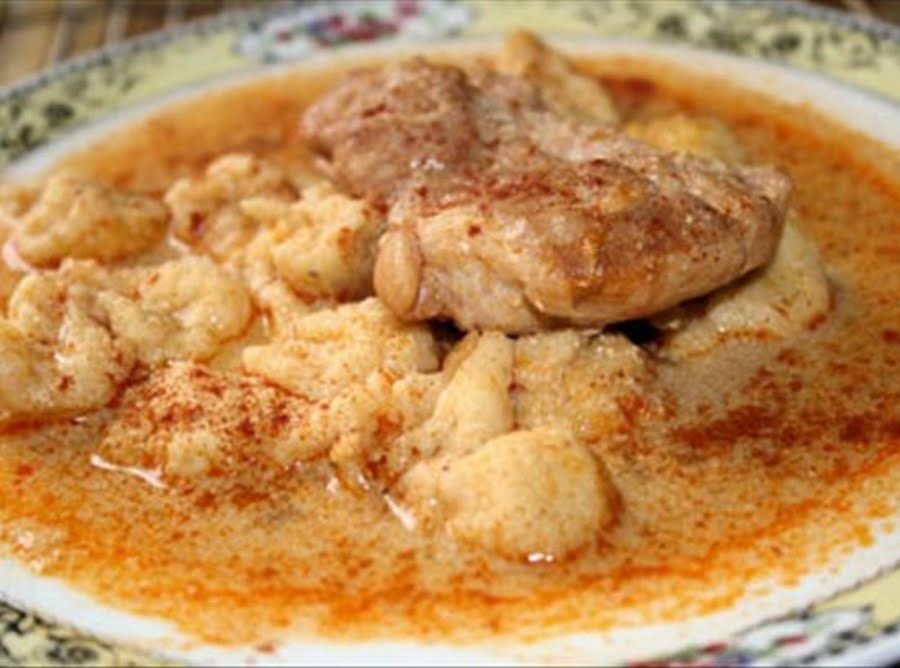
The final sauce should be creamy without becoming overwhelmingly thick.
A good Paprikás Csirke is comforting rather than aggressively spicy.
Why Paprika Matters So Much
Paprika is more than a coloring ingredient in Hungarian cuisine.
High-quality Hungarian paprika contributes aroma, sweetness, and depth.
There are several varieties of Hungarian paprika, ranging from sweet and mild to considerably hotter varieties.
For a traditional Chicken Paprikash, sweet paprika is generally the foundation, with hot paprika added according to personal preference.
The most important cooking rule is simple: do not burn it.
Excessive heat can quickly turn paprika bitter and compromise the flavor of the entire dish.
The Classic Pairing: Nokedli
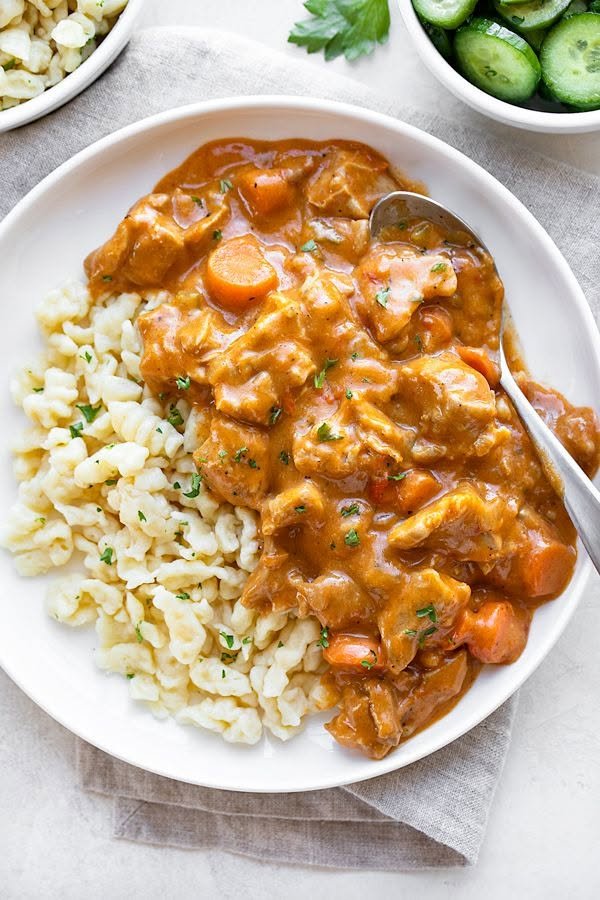
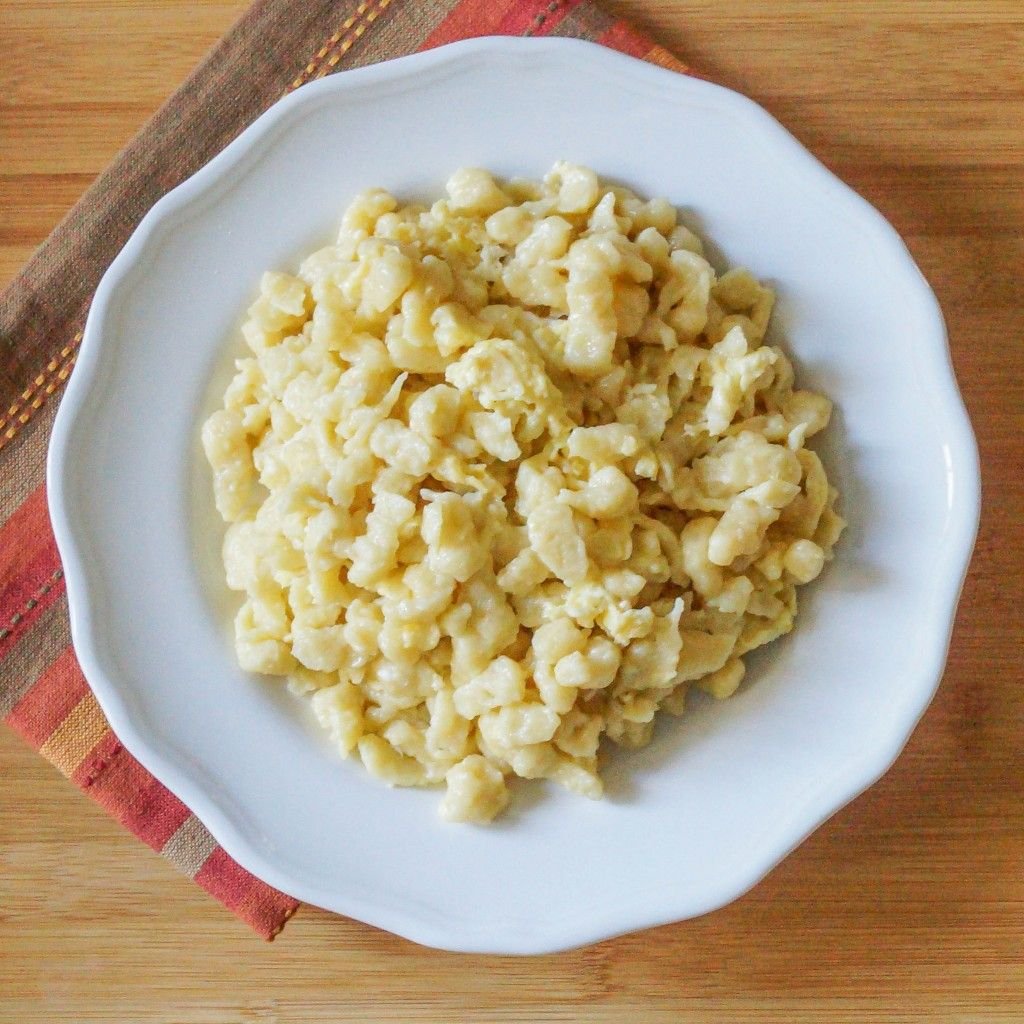
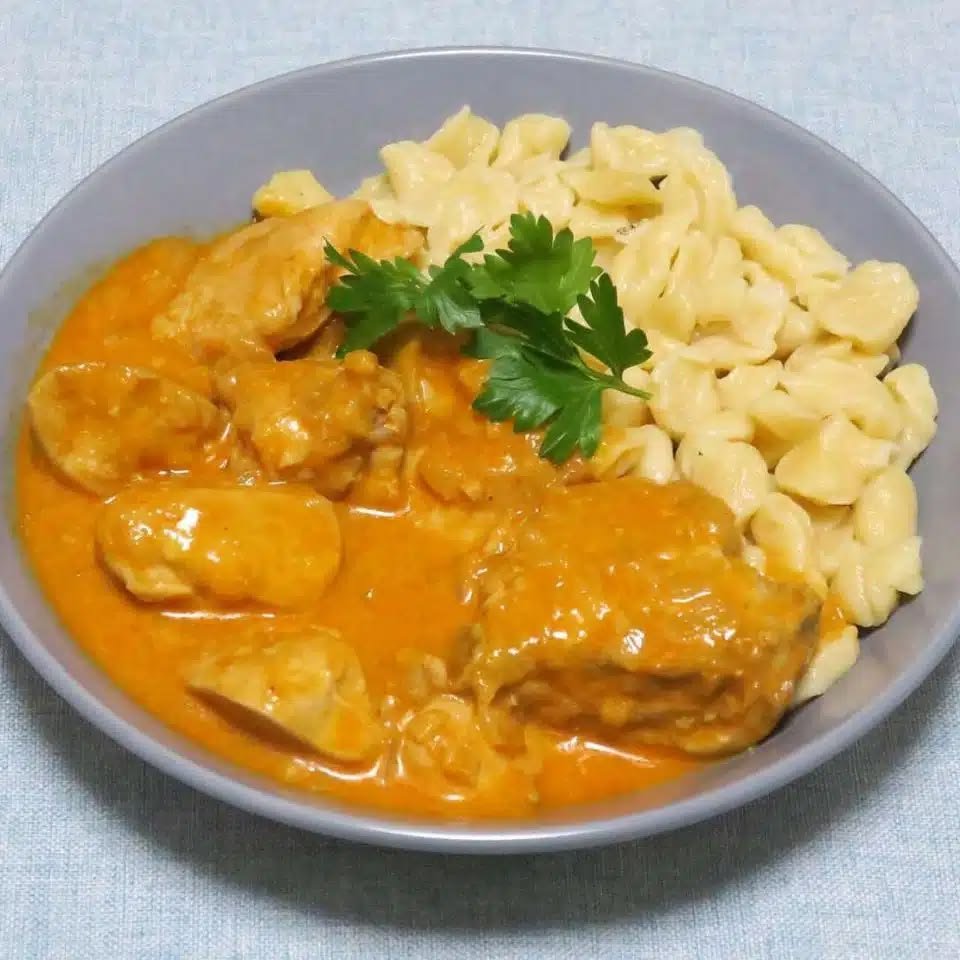
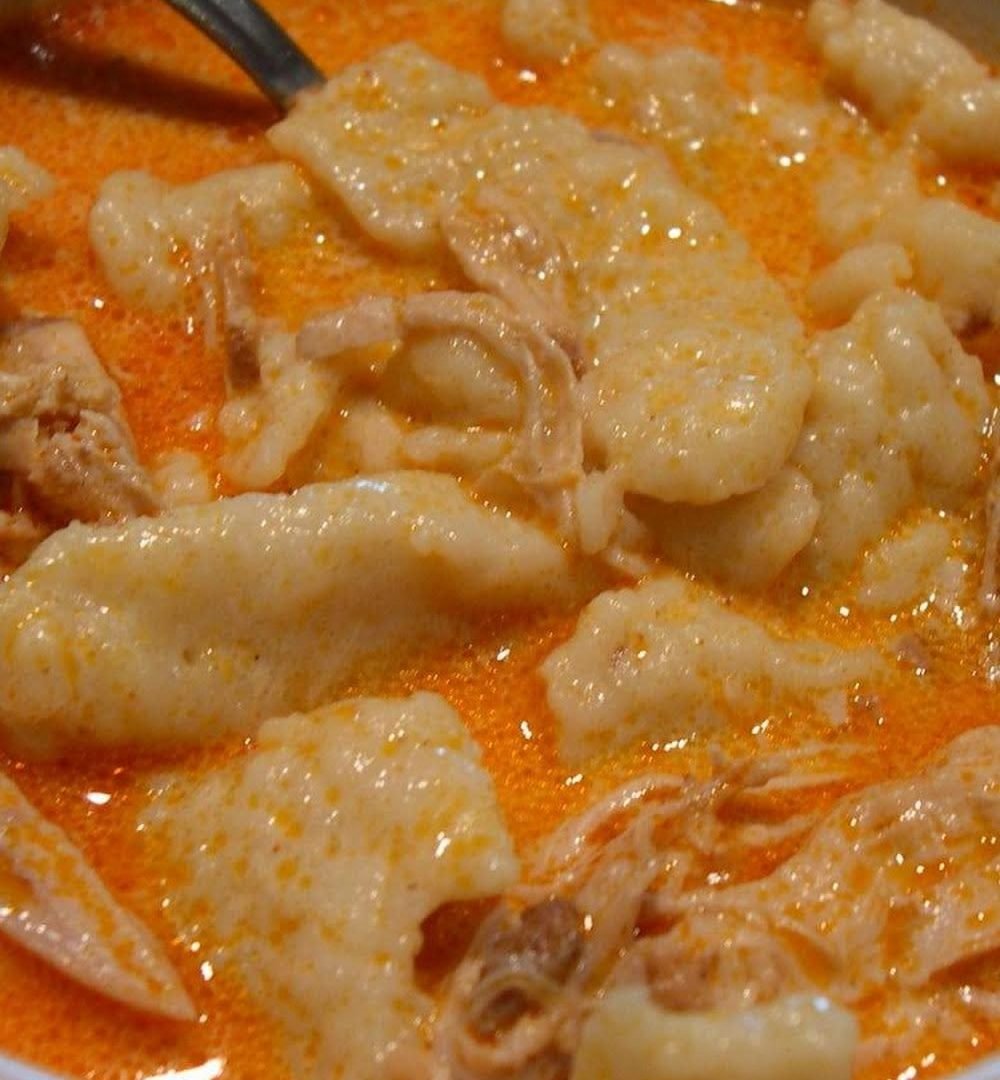
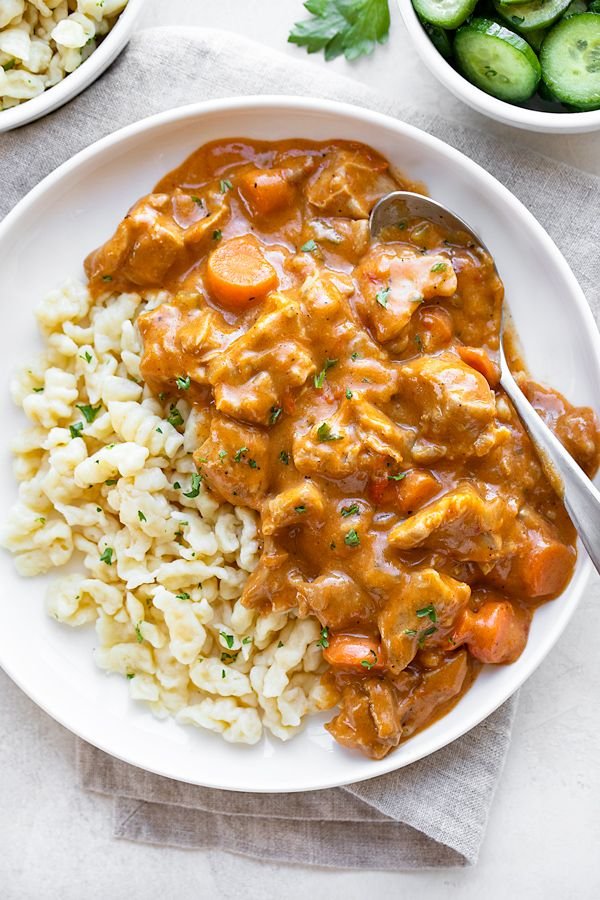
Chicken Paprikash is traditionally associated with nokedli, Hungarian egg dumplings.
Nokedli are soft, irregularly shaped dumplings made from flour, eggs, and water.
Their slightly chewy but tender texture makes them ideal for capturing the creamy paprika sauce.
When served together, the combination becomes a complete and deeply comforting Hungarian meal.
Other Ways to Serve Chicken Paprikash
Although nokedli is perhaps the most traditional pairing, there are other possibilities.
Chicken Paprikash can also be served with:
Boiled potatoes
Hungarian-style noodles
Rice
Buttered egg noodles
Fresh crusty bread
A simple cucumber salad or pickled vegetables can provide a refreshing contrast to the creamy sauce.
Helpful Cooking Tips
Use bone-in chicken when possible. It generally provides more flavor and stays tender during slow cooking.
Choose quality paprika. Since paprika is central to the dish, its flavor matters.
Never burn the paprika. Keep the heat moderate when incorporating it.
Don’t boil the sour cream aggressively. Add it carefully to maintain a smooth sauce.
Temper the sour cream. Mixing it with warm cooking liquid before adding it to the pot helps reduce the risk of curdling.
Cook gently. A slow simmer produces tender chicken and a more flavorful sauce.
Taste before adding extra salt. The chicken, stock, and other ingredients may already provide enough seasoning.
Traditional Variations
Like many Hungarian classics, Chicken Paprikash has numerous family versions.
Some cooks add tomatoes or green peppers to the onion base. Others keep the recipe extremely simple, allowing the paprika and sour cream to dominate.
The amount of sour cream can also vary. Some versions have a relatively light creamy sauce, while others are generously coated in sour cream.
The choice of chicken pieces differs as well. Some families use a whole chicken cut into pieces, while others prefer thighs or drumsticks.
These variations reflect the flexibility of traditional Hungarian home cooking.
Chicken Paprikash and Hungarian Culinary Tradition
Paprikás Csirke is an excellent example of how Hungarian cooking transforms everyday ingredients into deeply flavorful food.
Chicken, onions, paprika, and sour cream are relatively simple ingredients, yet the cooking technique creates a dish with remarkable character.
The dish is especially associated with home cooking because it is practical enough for a family meal while still being distinctive enough for guests and celebrations.
Its popularity has also helped introduce Hungarian paprika-based cooking to people around the world.
Final Thoughts
Hungarian Chicken Paprikash, or Paprikás Csirke, is a timeless comfort-food classic.
Tender chicken, sweet Hungarian paprika, soft onions, and tangy sour cream come together to create a rich and aromatic sauce that is hard to resist.
Served over traditional nokedli, the dish becomes a complete Hungarian meal that is hearty, comforting, and deeply satisfying.
Whether prepared as a traditional family recipe or adapted for a modern kitchen, Chicken Paprikash remains one of the most delicious expressions of Hungarian home cooking.