The quality and thickness of the pork chops have a significant impact on the final result. Thick-cut, bone-in pork chops, about 1 to 1.5 inches thick, are generally the best choice for this recipe. The bone helps retain moisture and adds flavor, and the thickness ensures that the chops do not dry out during baking. Boneless chops can work, but they are more prone to overcooking and can become tough if baked too long. Look for chops with a good amount of marbling—the intramuscular fat that helps keep the meat tender. A slightly darker, pinker color is a sign of freshness. Before baking, pat the chops dry with paper towels; this helps the sauce adhere and allows the surface to brown more effectively. If the chops are very thick, you may want to sear them in a hot skillet for a minute or two on each side before transferring them to the baking dish, but this is optional and not strictly necessary for the three-ingredient version.
The Art of the Glaze
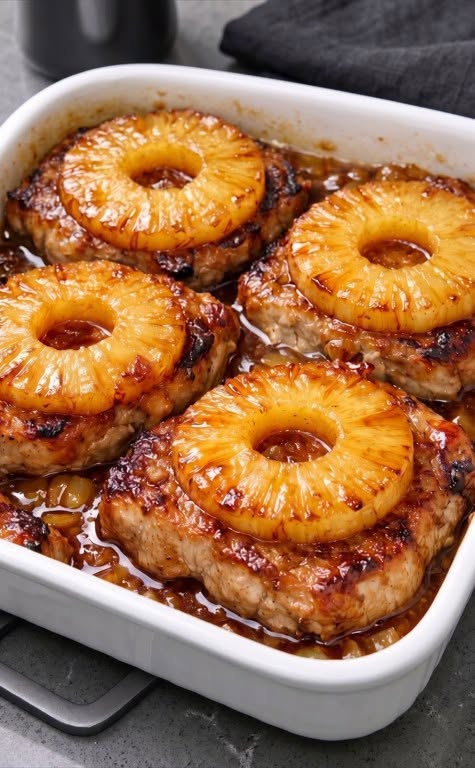
The glaze is what transforms the simple ingredients into a cohesive, flavorful dish. The classic formula combines brown sugar, soy sauce, and the pineapple juice from the can. The brown sugar provides sweetness and contributes to the caramelization, the soy sauce adds salt and umami, and the pineapple juice brings acidity and fruit flavor. Some recipes add a touch of mustard or garlic powder for complexity, but the core three ingredients are sufficient to create a balanced glaze. It is important to pour the glaze over the chops and pineapple rings before baking, and to baste the chops once or twice during the cooking process to ensure even flavor distribution. If the sauce is not thickening as desired, it can be transferred to a small saucepan and reduced on the stovetop after the chops are removed from the oven. The goal is a glossy, syrupy consistency that coats the meat and pools slightly in the bottom of the dish.
Baking Times and Temperature
The baking time and temperature are critical to achieving a tender, juicy result. A common approach is to bake the dish at 350°F (175°C) for about 25 to 35 minutes, depending on the thickness of the chops. The internal temperature of the pork should reach 145°F (63°C) for medium-rare or 160°F (71°C) for medium, according to USDA guidelines. It is highly recommended to use a meat thermometer to check for doneness, as overcooking is the most common cause of dry, tough pork chops. If the pineapple rings or the glaze begin to brown too quickly, the dish can be loosely covered with foil for the remainder of the baking time. After removing the dish from the oven, let the chops rest for a few minutes before serving; this allows the juices to redistribute and ensures a more tender bite. The resting period is a small but important step that is often overlooked in quick recipes.
Serving Suggestions and Variations
Pineapple pork chops are versatile and pair well with a variety of sides. Classic accompaniments include steamed white rice, which absorbs the sweet-savory sauce, or mashed potatoes, which provide a creamy contrast to the caramelized fruit. A simple green vegetable, such as steamed broccoli, green beans, or a crisp salad, adds freshness and balances the richness of the dish. For a more substantial meal, roasted sweet potatoes or a warm grain salad like quinoa or wild rice work beautifully. The recipe itself is also highly adaptable. Some cooks add sliced onions or bell peppers to the baking dish, or a sprinkle of red pepper flakes for a hint of heat. A squeeze of fresh lime juice at the end brightens the flavors and cuts through the sweetness. The three-ingredient base is a starting point, not a strict rule, and the dish is forgiving enough to accommodate personal preferences.
Why This Recipe Belongs in Your Rotation
Beyond its flavor, the three-ingredient pineapple pork chop recipe is a practical solution for a common problem: how to get a satisfying, home-cooked dinner on the table with minimal time, effort, and cleanup. It requires no advanced culinary skills, uses ingredients that are readily available, and produces consistent results. The dish is also budget-friendly, as pork chops are generally affordable and the other ingredients are pantry staples. It is the kind of recipe that can be memorized and adapted, making it a reliable go-to for busy weeknights, last-minute guests, or simply a night when you want something comforting and delicious without a lot of fuss. The fact that it looks impressive is a bonus, but the real value is in its practicality.
Conclusion
Pineapple pork chops are a testament to the power of simple combinations. The pairing of sweet, acidic pineapple with rich, savory pork is a classic that spans cultures and centuries, and the three-ingredient formula distills that tradition into an accessible, weeknight-friendly dish. The science behind the pairing—the tenderizing effects of bromelain, the balance of acidity and sweetness, the caramelization of sugars under heat—explains why it works so reliably, while the straightforward method ensures that anyone can achieve a flavorful, juicy result. From choosing the right chops to building a balanced glaze to knowing when to stop baking, the key to success lies in understanding the ingredients and treating them with a little care. Whether served with rice, potatoes, or a simple green salad, this dish delivers a satisfying, home-cooked meal that feels effortless. It is a reminder that some of the best recipes are not the most complicated ones, but the ones that let simple ingredients shine.
Frequently Asked Questions
What kind of pork chops are best for this recipe? Thick-cut, bone-in pork chops about 1 to 1.5 inches thick are ideal. The bone helps retain moisture, and the thickness prevents the chops from drying out during baking. Boneless chops can work but require careful monitoring to avoid overcooking.
Can I use fresh pineapple instead of canned? Yes, fresh pineapple rings can be used, but you may need to adjust the sweetness of the glaze since canned pineapple is often packed in juice that contributes to the sauce. Fresh pineapple also contains more active bromelain, which can further tenderize the meat.
How do I prevent the pork chops from drying out? Use thick-cut chops, avoid overcooking by using a meat thermometer (145°F for medium-rare, 160°F for medium), and baste the chops with the glaze during baking. The pineapple rings also help retain moisture by acting as a basting layer.
Can I make this recipe in a slow cooker? Yes, this dish adapts well to a slow cooker. Place the chops, pineapple rings, and glaze in the slow cooker and cook on low for 4 to 6 hours, or until the pork is tender. The sauce may need to be thickened on the stovetop afterward.
What can I use instead of brown sugar? Honey, maple syrup, or a sugar-free sweetener can be used as substitutes for brown sugar, though the flavor profile will change slightly. Soy sauce can be replaced with tamari for a gluten-free version.
How long should I bake the pork chops? At 350°F, bake for about 25 to 35 minutes, depending on thickness. Always check the internal temperature with a meat thermometer to ensure doneness. Let the chops rest for a few minutes before serving.
Can I add vegetables to the baking dish? Yes, sliced onions, bell peppers, or even chunks of sweet potato can be added to the dish. They will cook alongside the pork and absorb the flavors of the glaze. Adjust the baking time if necessary.
What should I serve with pineapple pork chops? Steamed white rice, mashed potatoes, or a simple green salad are classic accompaniments. The sauce is excellent spooned over rice or potatoes. Steamed broccoli or green beans add a fresh contrast.