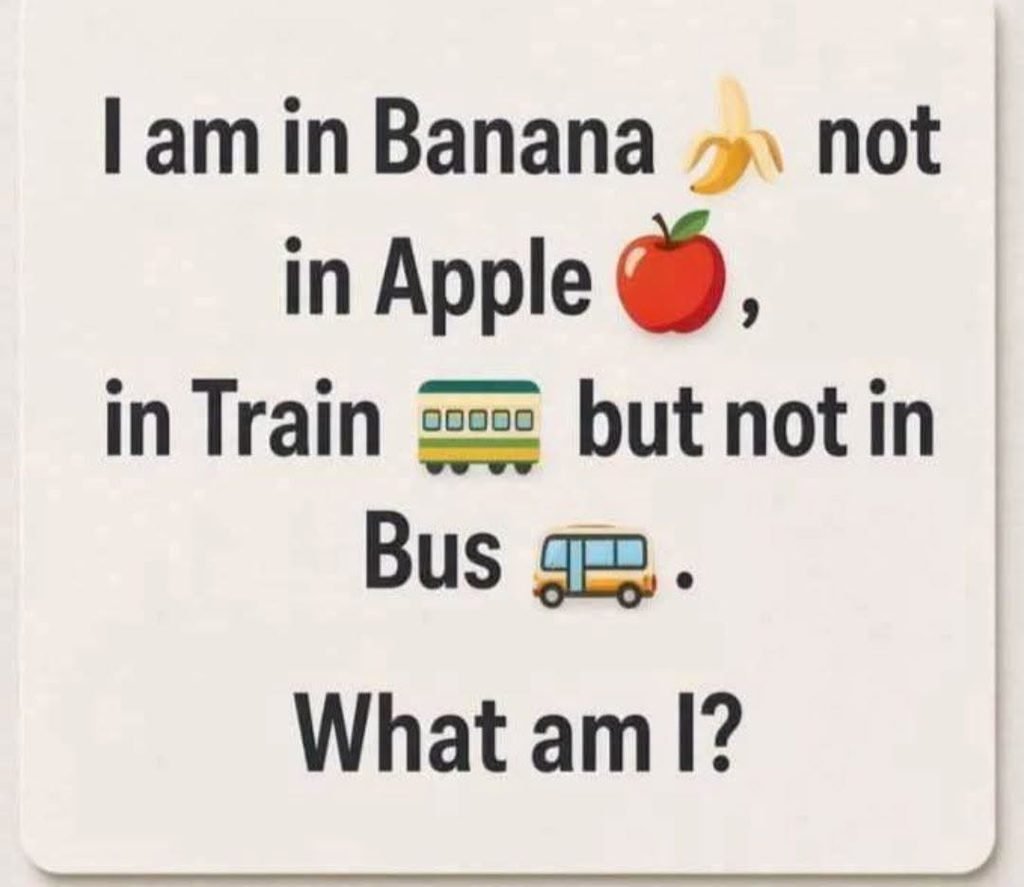
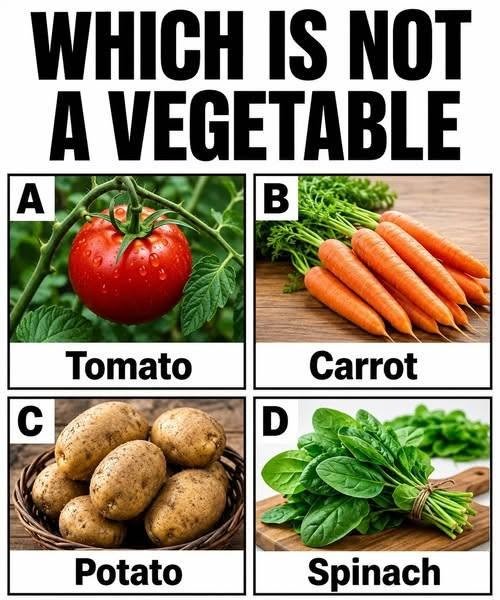
This type of puzzle is an example of lateral thinking.
Instead of following the most obvious interpretation, the solver changes the way the problem is framed. A question that appears to concern time suddenly becomes a question about spelling.
Lateral-thinking riddles are popular because they reward flexibility rather than specialized knowledge. You do not need to know mathematics, history, science, or trivia to solve them. You simply need to question your first interpretation.
That is also why these riddles can be frustrating. Once the answer is revealed, it often seems almost too easy.
The Role of Misleading Language
Good riddles frequently contain words that guide the reader toward an incorrect assumption.
In this case, words associated with time create a strong mental pattern. The reader expects the answer to be something that exists within a minute, appears twice during a moment, and disappears over a thousand years.
The real clue, however, is hidden in the words themselves.
This technique is common in word puzzles. Other riddles may rely on:
Double meanings
Homophones
Letter counts
Spelling patterns
Word reversals
Hidden words
Punctuation
Unexpected interpretations of familiar expressions
Understanding these techniques can make future riddles much easier to solve.
How to Solve Similar Riddles
When faced with a short word riddle, it helps to follow a few simple steps.
1. Read the wording literally
Start with the obvious interpretation, but do not assume it is correct.
2. Look for unusual phrasing
Words such as “once,” “twice,” “never,” or “only” can indicate that the puzzle may involve counting.
3. Write down the important words
Seeing the words visually can reveal patterns that are easy to miss when simply reading them.
4. Count letters
Check whether a particular letter appears once, twice, or not at all.
5. Consider sound and spelling
Some riddles depend on pronunciation, while others depend entirely on written letters.
6. Challenge your first assumption
If the obvious interpretation produces no solution, change perspectives. Ask whether the riddle is actually about the subject it appears to describe.
Why Simple Riddles Remain Popular
Classic word riddles continue to appear in quizzes, classrooms, puzzle books, social media posts, and family games because they are easy to share and surprisingly effective at testing attention.
Their appeal comes from the moment of discovery. Before the answer is revealed, the puzzle can seem mysterious. Afterward, the solution feels perfectly logical.
That contrast is what makes a good riddle memorable.
The “once in a minute, twice in a moment” puzzle is a particularly good example because it requires almost no outside knowledge. The answer is hidden in the language itself.
Final Thoughts
The classic letter riddle is a reminder that the simplest puzzles can require a significant change in perspective.
If a question seems to be about time, numbers, or physical events, do not automatically assume that its solution belongs to the same category. Sometimes the real clue is hidden in the spelling of the words used to describe the problem.
For the classic version, the answer is the letter “M”—appearing once in minute, twice in moment, and not at all in a thousand years.
The next time you encounter a seemingly impossible word riddle, take a second look at the wording. The answer may not be hidden in the meaning of the sentence. It may be sitting quietly inside the words themselves.