Muscle Loss After 65? Key Foods to Keep Your Body Strong
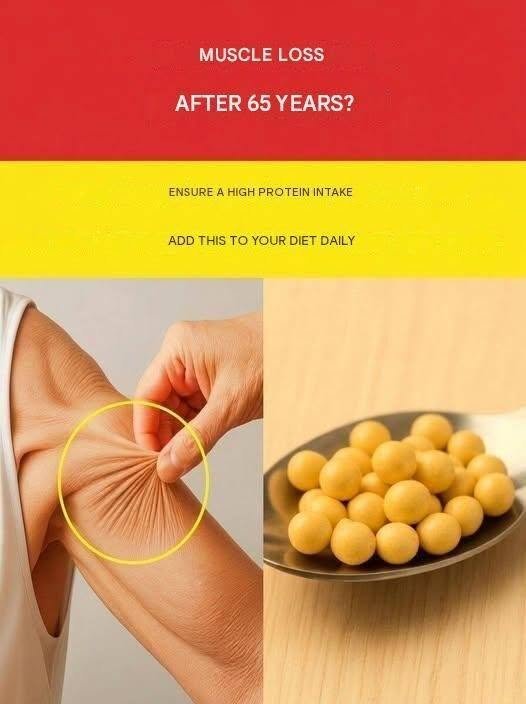
Maintaining muscle becomes increasingly important with age. After 65, gradual changes in muscle mass, strength, and physical activity can make it more difficult to preserve the strength and mobility needed for everyday life. This age-related decline is often associated with sarcopenia, a condition characterized by the loss of muscle mass and function.
Nutrition plays an important role in supporting healthy aging. Along with regular physical activity—particularly resistance training—a balanced diet that provides sufficient protein and essential nutrients can help support muscle maintenance.
Here are several nutrient-rich foods that can form part of a muscle-supportive diet after 65.
1. Eggs
Eggs are a convenient source of high-quality protein, providing all nine essential amino acids. They also contain nutrients such as vitamin B12, choline, selenium, and vitamin D in smaller amounts.
Including eggs in breakfast, lunch, or dinner can be an easy way to increase protein intake throughout the day.
2. Greek Yogurt
Greek yogurt is rich in protein and can also provide calcium, which is important for maintaining healthy bones.
Choosing plain Greek yogurt allows you to control the amount of added sugar. It can be combined with berries, nuts, seeds, or oats for a nutrient-dense snack or breakfast.
3. Fish
Fish provides high-quality protein and, depending on the variety, important amounts of omega-3 fatty acids and vitamin D.
Fatty fish such as salmon, sardines, trout, and mackerel are particularly well known for their omega-3 content. Including fish regularly can contribute to an overall balanced dietary pattern.
4. Lean Poultry
Chicken and turkey provide substantial amounts of protein while generally being relatively low in saturated fat, particularly when skinless cuts are chosen.
Grilled, roasted, or baked poultry can be paired with vegetables and whole grains to create a balanced meal.