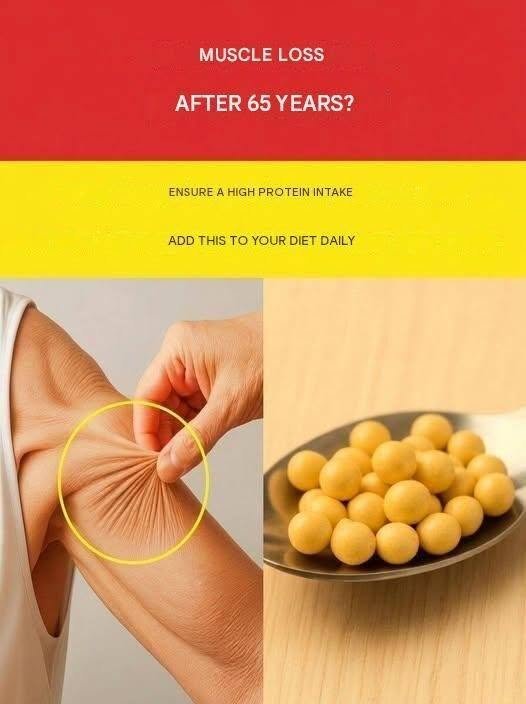
Muscle Loss After 65? Key Foods to Keep Your Body Strong
Plant-based protein sources such as beans, lentils, and chickpeas provide protein along with fiber, folate, potassium, magnesium, and other nutrients.
They can be especially useful for people who prefer to limit their intake of animal products. Combining legumes with whole grains can create a nutritious and satisfying meal.
6. Cottage Cheese
Cottage cheese is another convenient protein-rich food. It contains substantial amounts of protein and provides calcium and other nutrients.
It can be eaten on its own, combined with fruit, or incorporated into savory meals.
7. Nuts and Seeds
Almonds, walnuts, pumpkin seeds, chia seeds, and other nuts and seeds provide a combination of protein, healthy fats, minerals, and calories.
Because they are energy-dense, moderate portions can be a practical addition to meals and snacks, particularly for older adults who struggle to consume enough calories.
8. Milk and Fortified Alternatives
Milk provides protein and calcium, while fortified dairy alternatives can provide similar nutrients depending on the product.
For people who tolerate dairy, milk can be added to oatmeal, smoothies, or enjoyed as part of a meal. When choosing plant-based alternatives, checking the nutrition label for adequate protein and calcium can be helpful.
Protein Distribution Matters
Getting enough protein is important, but how protein is distributed throughout the day may also matter. Instead of consuming most of the day’s protein at a single meal, older adults may benefit from including a meaningful protein source at breakfast, lunch, and dinner.
Foods such as eggs, yogurt, fish, poultry, legumes, and dairy products can make this approach easier.
Individual protein needs vary according to factors such as body size, physical activity, overall health, and kidney function. People with kidney disease or other medical conditions should discuss appropriate protein intake with their healthcare professional.
Food Is Only Part of the Picture
Nutrition alone cannot prevent all age-related muscle loss. Resistance exercise is one of the most important strategies for maintaining muscle strength and function as we age.
Activities such as strength training, bodyweight exercises, resistance-band exercises, and appropriately supervised weight training can help stimulate the muscles.
Adequate sleep, regular physical activity, sufficient calories, and a varied diet also contribute to healthy aging.
The Bottom Line
Muscle loss after 65 is not inevitable, and maintaining muscle requires more than simply eating one “superfood.” A balanced eating pattern that provides adequate protein, calories, vitamins, and minerals, combined with regular resistance exercise, can help support strength and physical function.
Eggs, yogurt, fish, lean poultry, beans, lentils, cottage cheese, nuts, seeds, and fortified dairy alternatives are all useful options to consider.
For older adults experiencing unexplained weight loss, significant weakness, difficulty walking, or a noticeable decline in muscle strength, speaking with a doctor or registered dietitian can help identify the underlying cause and develop an appropriate nutrition and exercise plan.