10 Important Side Effects of Metoprolol That You Need to Know
Metoprolol is a commonly prescribed beta blocker used for conditions including high blood pressure, angina, certain heart-rhythm problems, and some forms of heart disease. It works partly by slowing the heart rate and reducing the heart’s workload.
Like every medication, metoprolol can cause side effects. Many are mild and improve as the body adjusts, but some symptoms deserve medical attention.
Understanding the possible effects can help you recognize what may be expected and when it is important to contact a healthcare professional.
1. Tiredness and Fatigue
Feeling unusually tired is one of the more commonly reported effects of metoprolol.
Because the medicine slows the heart rate and reduces the body’s response to certain adrenaline signals, some people may feel less energetic, particularly when they first begin treatment or after their dose is increased.
For many people, this improves as the body adjusts.
If fatigue is severe, persistent, or interferes with normal daily activities, discuss it with your doctor rather than stopping the medication yourself.
2. Dizziness or Lightheadedness
Metoprolol can lower blood pressure and slow the heart rate, which may make some people feel dizzy or lightheaded.
This can be particularly noticeable when standing up quickly.
If you become dizzy, sit or lie down until you feel better. Avoid driving or operating machinery if dizziness affects your ability to do so safely.
Persistent dizziness or fainting should be reported to a healthcare professional because your blood pressure or heart rate may need to be checked.
3. Slow Heart Rate
Because metoprolol is designed to slow the heart, a lower pulse is an expected effect of treatment.
However, an excessively slow heart rate can cause problems.
Symptoms such as severe weakness, dizziness, fainting, confusion, or unusual shortness of breath should not be ignored.
The FDA prescribing information lists bradycardia, or an abnormally slow heart rate, among recognized adverse reactions.
Your doctor can determine whether your heart rate is appropriate for your particular condition and dose.
4. Low Blood Pressure
Metoprolol can lower blood pressure, which is often part of its therapeutic effect.
However, blood pressure that becomes too low may cause:
Dizziness
Weakness
Lightheadedness
Blurred vision
Fainting
The risk may be greater when metoprolol is combined with other medicines that lower blood pressure.
If you repeatedly feel faint or unusually weak, contact your healthcare professional.
5. Cold Hands and Feet
Some people taking beta blockers notice that their hands or feet feel unusually cold.
Beta blockers can affect circulation to the extremities, making fingers and toes feel colder than usual.
Keeping the hands and feet warm may help.
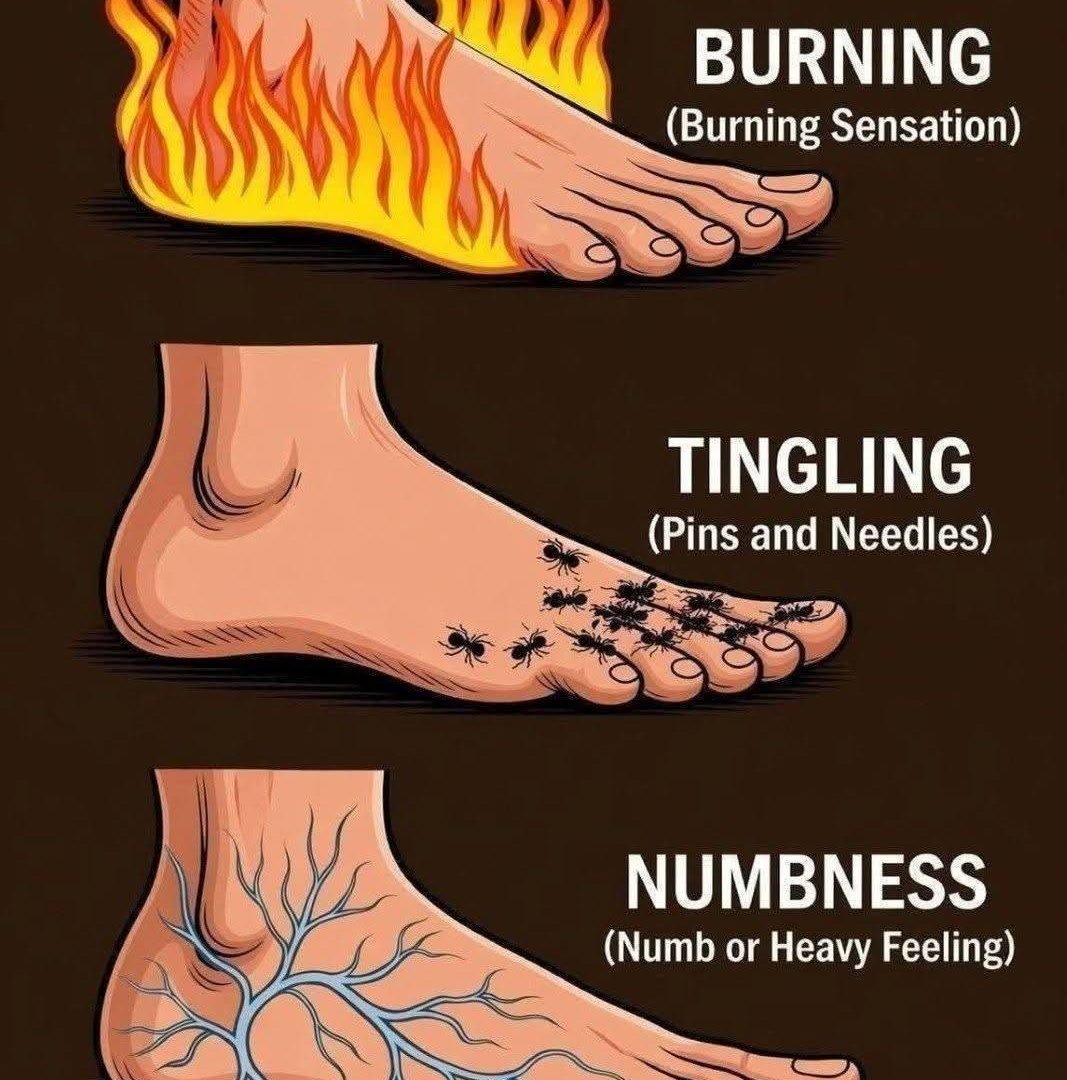
However, significant color changes, severe pain, numbness, or worsening circulation problems should be discussed with a doctor, particularly in people who already have circulation disorders.
6. Digestive Problems
Metoprolol can cause gastrointestinal symptoms in some people.
Possible effects include:
Nausea
Stomach discomfort
Vomiting
Diarrhea
These effects are generally not serious, but persistent symptoms can lead to dehydration or make it difficult to take the medication properly.
If symptoms are severe or continue, speak with a pharmacist or doctor.