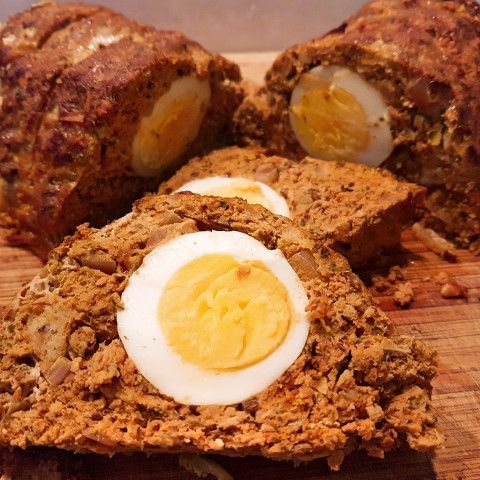
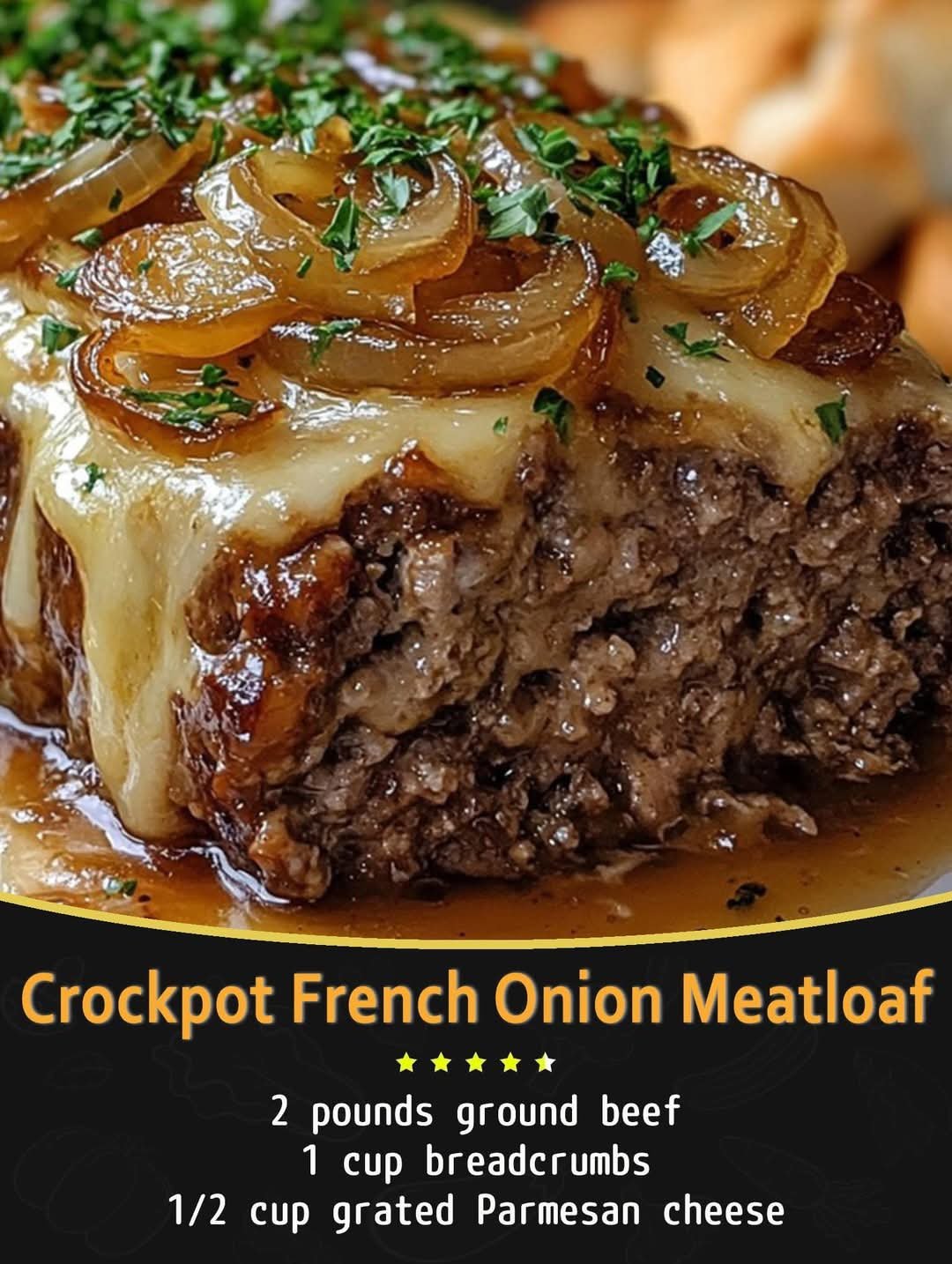
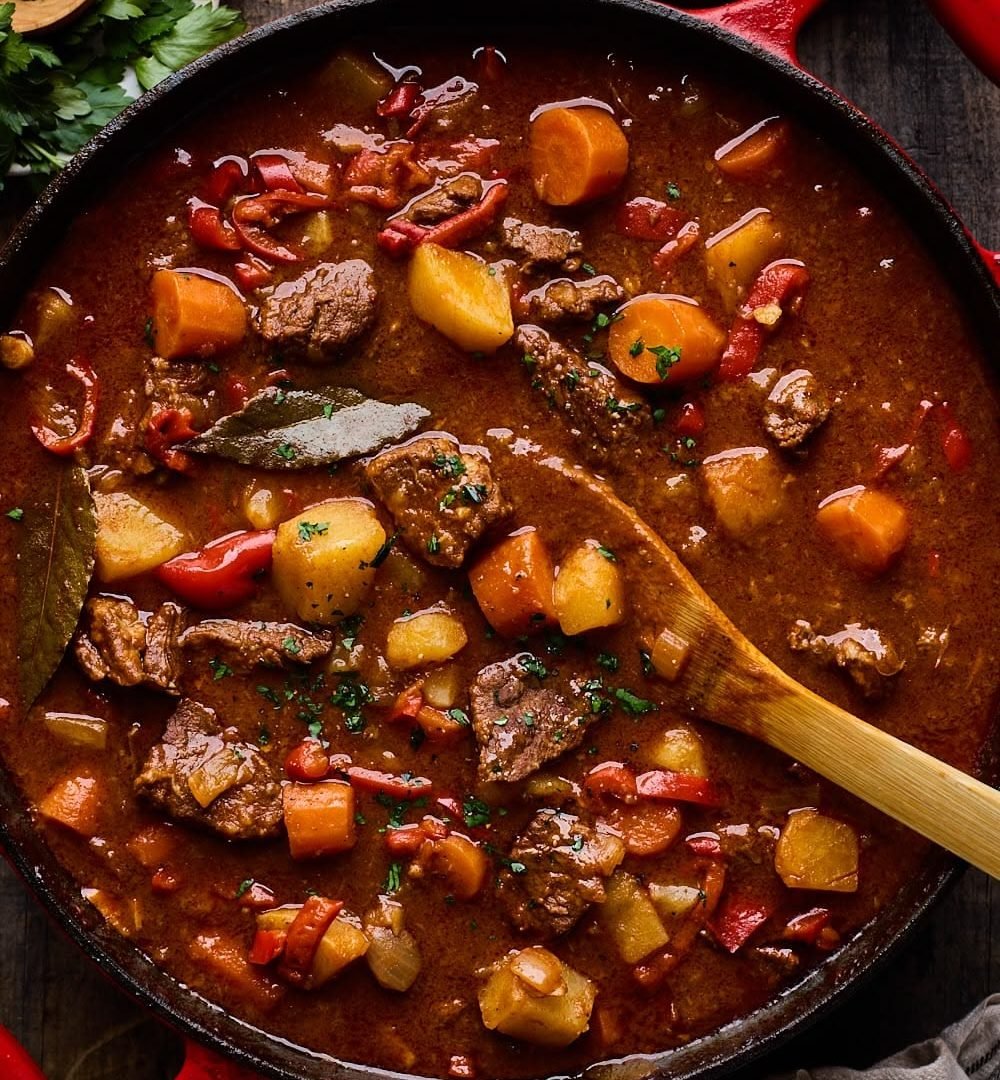
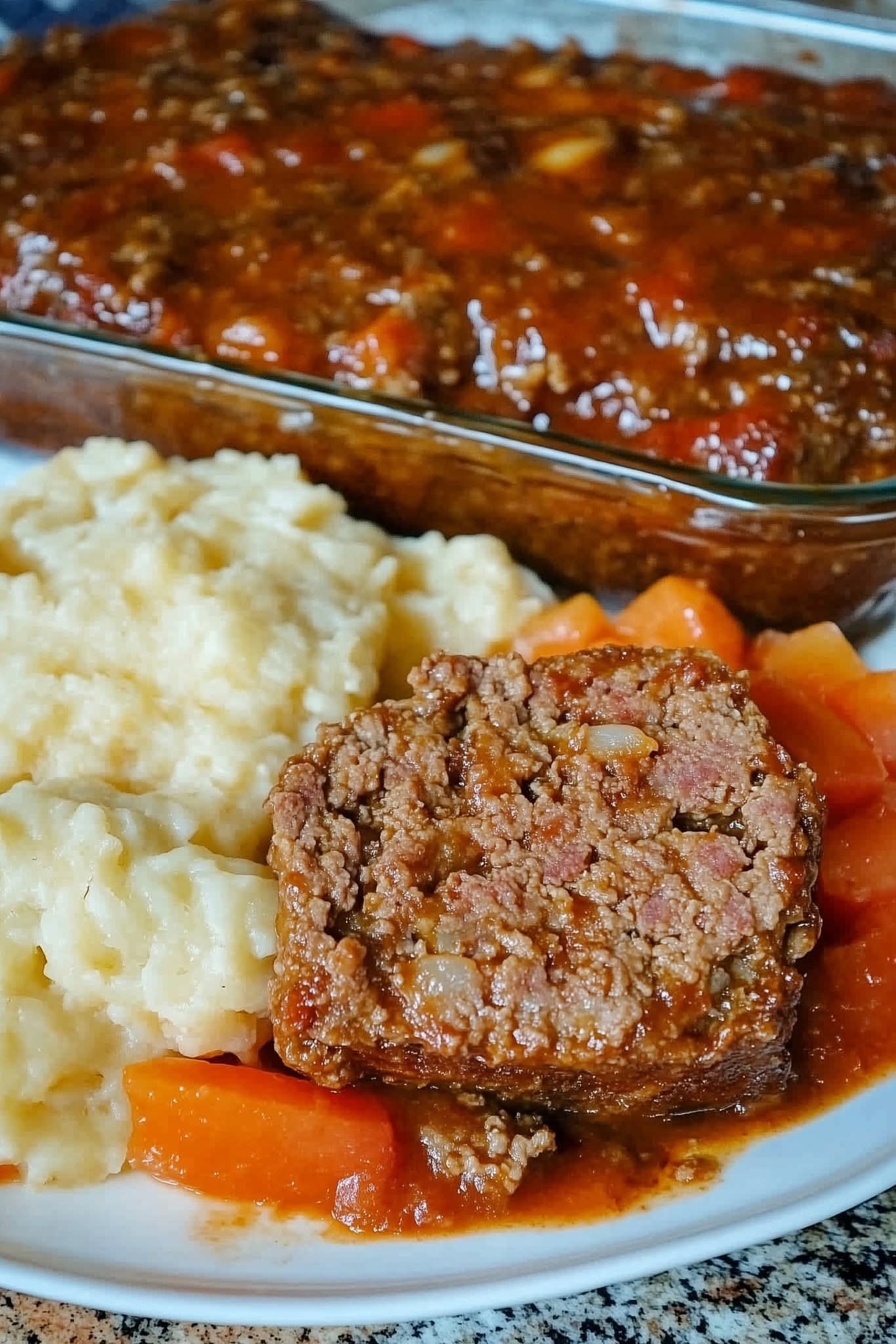
Place the breadcrumbs in a small bowl and add the milk. Let them sit for a few minutes until softened. This helps keep the meatloaf moist and tender.
2. Make the Meat Mixture
In a large bowl, combine the ground meat, softened breadcrumbs, chopped onion, garlic, egg, paprika, salt, pepper, marjoram, and parsley.
Mix gently with your hands until all the ingredients are evenly combined. Avoid overmixing, as this can make the fasírt dense.
3. Shape the Fasírt
Take a portion of the mixture and shape it into a small oval or round patty. Continue until all the mixture has been used.
Lightly coat each piece with breadcrumbs.
4. Fry Until Golden
Heat about ½ inch (1–1.5 cm) of vegetable oil in a large skillet over medium heat.
Place the fasírt carefully into the hot oil and fry for approximately 4–5 minutes per side, depending on thickness. They should be golden brown on the outside and fully cooked in the center.
Transfer to a plate lined with paper towels to remove excess oil.
Traditional Serving Ideas
Hungarian fasírt is incredibly versatile. It can be served hot for dinner or cold as part of a traditional Hungarian meal.
Popular accompaniments include:
Mashed potatoes
Boiled potatoes with parsley
Rice
Pickled cucumbers
Sauerkraut
Cucumber salad
Fresh green salad
Mustard or horseradish
It is also delicious tucked into bread or a crusty roll for a simple Hungarian-style sandwich.
The Story Behind Fasírt
Fasírt is part of Hungary’s extensive tradition of practical, flavorful home cooking. Similar seasoned minced-meat dishes are found throughout Central and Eastern Europe, with each country developing its own characteristic combination of herbs and spices.
What gives Hungarian fasírt its distinctive character is the use of sweet paprika, garlic, onion, and marjoram. These ingredients create the familiar savory aroma associated with Hungarian cooking.
For many Hungarian families, fasírt is more than just an everyday meal. It is a practical dish that can be prepared in advance, packed for lunch, served at family gatherings, or enjoyed cold the following day.
Tips for Perfect Hungarian Fasírt
Use a little fat in the meat. A mixture containing some pork fat produces a juicier and more flavorful result than very lean meat.
Don’t skip the paprika. Sweet Hungarian paprika provides both color and the characteristic flavor of the dish.
Let the mixture rest. Allowing the meat mixture to rest for 10–15 minutes before shaping gives the breadcrumbs time to absorb moisture.
Don’t overcrowd the pan. Frying in batches helps maintain the oil temperature and produces a crisp, evenly browned crust.
Check the center. Ground meat should be thoroughly cooked. If using a thermometer, the center should reach 160°F (71°C) for ground beef or pork.
Can Fasírt Be Baked?
Yes. If you prefer not to fry it, arrange the shaped patties on a lightly greased baking sheet and bake at 400°F (200°C) until browned and cooked through, usually around 20–25 minutes depending on their size.
The baked version will have a lighter crust, while traditional pan-fried fasírt develops the classic crisp exterior.
Frequently Asked Questions
What meat is traditionally used for fasírt?
Ground pork is very common, although many cooks use a combination of pork and beef. The choice depends on family tradition and personal preference.
Can I make fasírt ahead of time?
Yes. Cooked fasírt can be refrigerated and reheated later. It can also be enjoyed cold, which makes it convenient for lunches and picnics.
Why does my fasírt fall apart?
The mixture may need a little more binding. Adding breadcrumbs and allowing the mixture to rest before shaping can help. Also, handle the patties gently when turning them in the pan.
Is fasírt the same as meatballs?
They are closely related but not exactly the same. Hungarian fasírt is commonly shaped into larger patties or oval portions rather than small round meatballs.
Conclusion
Hungarian Fasírt is a simple example of why traditional Hungarian cooking remains so popular. With humble ingredients such as ground meat, breadcrumbs, onion, garlic, paprika, and marjoram, it creates a deeply satisfying meal with a crisp golden exterior and tender, flavorful center.
Serve it with creamy mashed potatoes and Hungarian pickles for a comforting family dinner—or enjoy leftovers cold the next day for an easy lunch. It is an uncomplicated recipe with plenty of traditional Hungarian character.