What the Trick Cannot Do: The Limits of Topical Camouflage
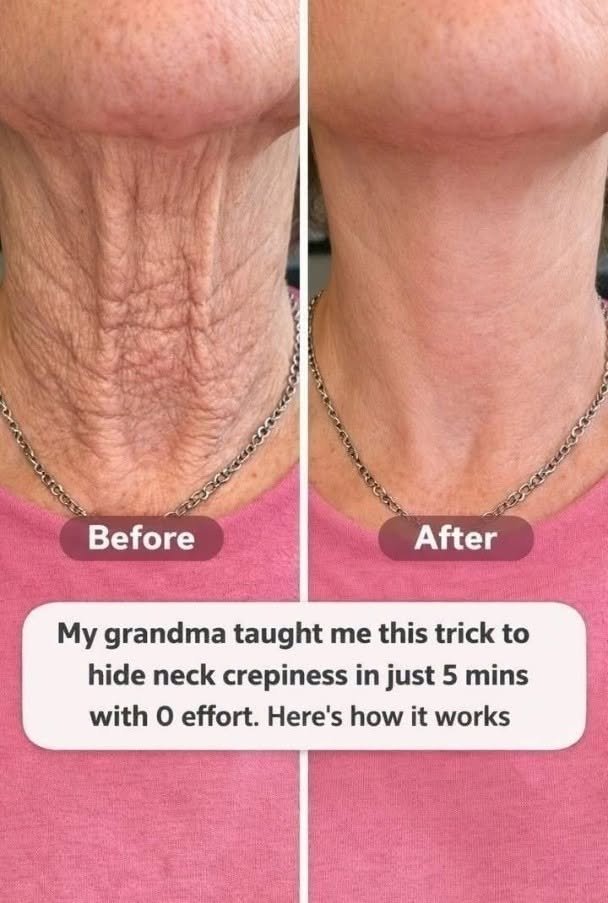
The viral framing of this routine implies that it “hides” neck crepiness, which is accurate, but the “zero effort” and “5 minutes” language obscures the crucial caveat: the results are temporary and superficial. No combination of moisturizer and primer can rebuild collagen, thicken the dermis, or remove a fold of loose skin. As one dermatologist bluntly states, a cream “may improve hydration, crepiness, fine lines and overall skin quality, but it can’t remove a pocket of fat or significantly change a prominent platysma muscle”. For genuine improvement in neck texture, the evidence points to ingredients and treatments that operate at a deeper level. A retinoid, such as tretinoin or a gentler retinol, has the best evidence of any cream for improving fine crepiness because it encourages new collagen production. Sunscreen applied diligently to the neck and chest is the single most effective preventive measure. And for those seeking more dramatic change, in-office treatments like radiofrequency tightening, fractional laser, or wrinkle-relaxing injections target specific components of neck aging that no topical product can reach.
The Realistic Role of Neck Creams and Serums
The viral routine implicitly raises the question: do you need special neck products? The answer, according to dermatologists, is nuanced. There is “no magic ingredient that suddenly knows it’s being applied to the neck,” and a well-formulated facial product that your neck tolerates can be used there. However, neck-specific products can earn their place through formulation. They may pair a gentler concentration of retinoid with peptides and barrier-supporting ingredients, or come in a richer base that is easier to use daily on skin prone to irritation. What dermatologists are skeptical of is any topical product claiming to “lift” a significantly sagging neck or mimic the results of a procedure. The practical takeaway is to look for evidence-backed ingredients—retinoids for collagen support, hyaluronic acid and ceramides for hydration, and sunscreen for prevention—rather than marketing language about “lifting” or “firming.”
Building a Longer-Lasting Strategy: What to Do Beyond Five Minutes
For those who want more than a temporary optical fix, a realistic neck care strategy combines daily prevention with targeted treatment. The foundation is sun protection: apply sunscreen to the neck and upper chest every morning, all year round, just as you would to your face. At night, introduce a retinoid two or three times per week, using a pea-sized amount and buffering with moisturizer if irritation occurs. A rich moisturizer maintains hydration and softens the appearance of fine lines in the short term. For posture, raising your phone to eye level and avoiding prolonged downward gazing can help prevent the repeated folds that contribute to horizontal lines. And for those considering professional interventions, understanding which treatment addresses which component of neck aging—radiofrequency for laxity, lasers for texture and pigment, neuromodulators for platysmal bands—allows for informed conversations with a qualified practitioner. None of this is as effortless as a five-minute trick, but it is what actually makes a difference over time.
Why the “Grandma Trick” Still Has Value
Despite its limitations, the viral routine is not without merit. It encourages people to pay attention to their necks, a region that is frequently neglected in skincare routines. The emphasis on gentle cleansing, hydration, and upward application strokes is sound practice. The use of primer and tapping to create a smoother appearance for a special occasion is a harmless and effective cosmetic technique. The posture and styling suggestions acknowledge that confidence and presentation matter. What the trick does not deserve is the implication that it is a substitute for real skincare or a solution to a structural problem. Framed correctly—as a quick, temporary way to look polished before an event—it is a useful addition to a beauty repertoire. Framed as a “trick” that hides crepiness with zero effort, it sets unrealistic expectations and distracts from the measures that genuinely improve skin health over time.
Conclusion
The viral promise of hiding neck crepiness in five minutes with zero effort is a classic example of conflating cosmetic camouflage with actual skin improvement. The routine described—gentle cleansing, hydrating serum, rich moisturizer, light-reflecting primer, tapping technique, and strategic styling—does work, but only in the way that makeup works: it creates a temporary optical illusion that washes off. It does not rebuild collagen, thicken the dermis, or reverse sun damage. The legitimate science of neck aging points to a different set of priorities: daily sunscreen to prevent further damage, a retinoid to support collagen over time, consistent hydration to soften the appearance of fine lines, and for those who want more, in-office treatments that address the deeper structural changes. The grandmother’s trick is not a secret to youthful skin; it is a clever way to look polished for a moment. There is nothing wrong with that, as long as it is understood for what it is. For anyone genuinely concerned about their neck, the most valuable investment is not a five-minute hack but a daily habit of extending skincare—especially sun protection—below the jawline. That is the advice that will matter in five years, not just five minutes.
Frequently Asked Questions
Does the “grandma trick” actually remove neck wrinkles? No. The routine uses hydration and light-reflecting primer to temporarily plump the skin’s surface and blur the appearance of lines. It does not remove wrinkles, stimulate collagen, or change the skin’s structure. The effect washes off.
Why does the neck become crepey faster than the face? Neck skin is thinner, has fewer oil glands, and contains less collagen and elastin, making it more vulnerable to aging and moisture loss. It is also frequently neglected in sun protection, allowing UV damage to accumulate.
What ingredients actually help with neck crepiness? A retinoid (like tretinoin or retinol) has the best evidence for improving fine crepiness by encouraging collagen production. Hyaluronic acid, ceramides, and glycerin support hydration. Daily broad-spectrum sunscreen is essential for prevention.
Do I need a special neck cream? Not necessarily. A well-formulated facial product that your neck tolerates can be used there. Neck-specific products may be useful if they offer a gentler retinoid concentration or a richer base for sensitive skin, but the label is less important than the ingredients.
How long do the results of the 5-minute trick last? The cosmetic effect lasts until the products are washed or rubbed off—typically a matter of hours. It is best suited for a special occasion or photograph, not as a daily skincare solution.
Can primer and makeup on the neck cause irritation? It can, particularly if the skin is sensitive or if products are not removed gently. Neck skin is delicate, so choose fragrance-free formulas when possible and cleanse gently at the end of the day.
What professional treatments help with neck crepiness? Radiofrequency treatments (like Thermage) can tighten skin, fractional lasers can improve texture, and wrinkle-relaxing injections can address vertical platysmal bands. These target structural changes that topical products cannot.
Is “tech neck” really a cause of neck lines? Yes. Habitual downward gazing at phones and laptops creates repeated folds that can eventually become fixed horizontal lines. Raising your device to eye level can help prevent this.
At what age should I start caring for my neck? There is no minimum age. Extending your facial skincare—especially sunscreen—to your neck and chest from your twenties onward is a sensible preventive habit. Signs of aging can appear surprisingly early, sometimes in the twenties or thirties.