Turkey Hunting Down South: What to Do If You’re Bitten by a Snake
Turkey hunting can take you through brush, tall grass, fallen trees, and other places where snakes may be hiding. A snakebite in the field can be frightening, especially when you don’t immediately know what species bit you.
If you’ve actually been bitten, treat it as a medical emergency and seek professional medical care immediately. You should not wait to see whether symptoms develop. CDC
First, Get Away From the Snake
Move away from the animal carefully. Do not try to catch, kill, or handle it—even if you believe it is dead.
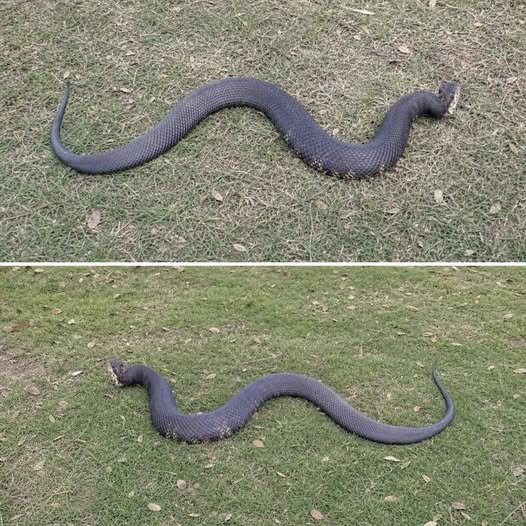
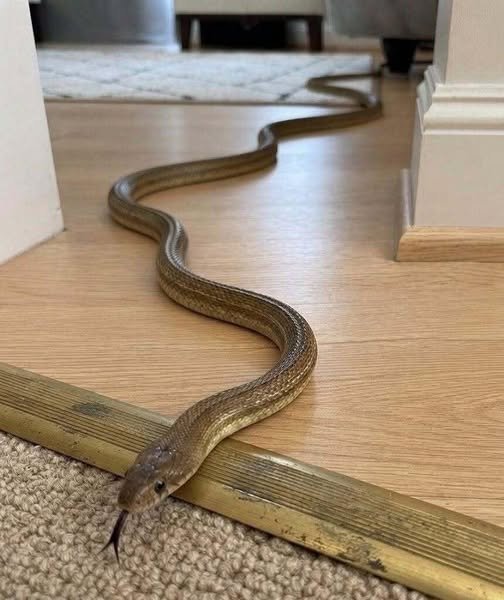
If you can safely remember its general size, color, and markings, that information can help medical professionals. A photograph can also be useful, but only take one from a safe distance. CDC
Call for Emergency Medical Help
Get medical attention as quickly as possible. In the United States, call 911 or have someone else call for you.
If possible, have someone else transport you rather than driving yourself, because a snakebite can cause dizziness, fainting, or other symptoms. CDC
Keep Calm and Limit Movement
Try to remain calm and keep the bitten limb as still as reasonably possible. Excessive movement can contribute to the spread of venom if the snake was venomous.
Remove rings, watches, or tight clothing near the bite before significant swelling develops. CDC
Clean and Cover the Bite
If help is not immediately available, gently wash the bite with soap and water and cover it with a clean, dry dressing.
Do not tightly wrap or constrict the limb unless specifically instructed by medical professionals familiar with the snakebite and local treatment protocols. CDC
Watch for Serious Symptoms
Depending on the species and amount of venom involved, symptoms can include:
Increasing pain
Rapid swelling
Redness or discoloration
Nausea or vomiting
Numbness or tingling
Changes in vision
Excessive sweating or salivation
Difficulty breathing
Even if the bite initially looks minor, don’t use the appearance of the wound to decide that medical attention isn’t necessary. CDC