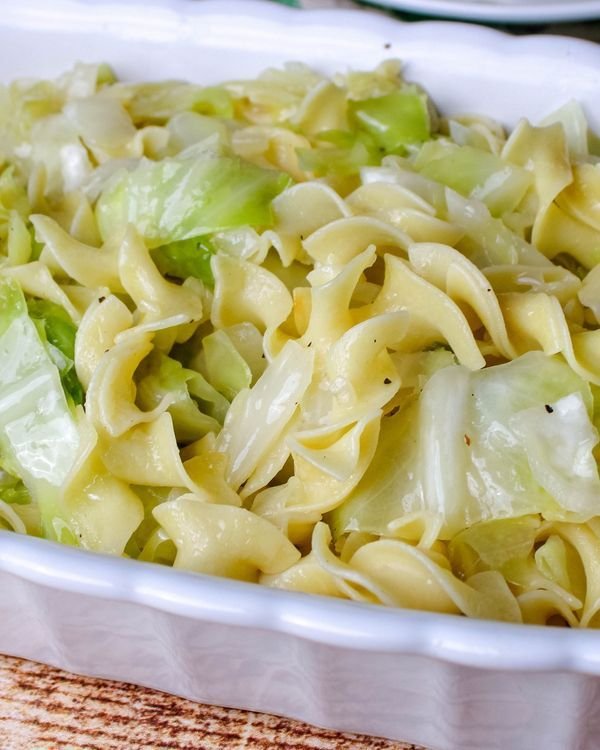
The recipe requires relatively few steps, but slow cooking is the key to developing flavor.
1. Prepare the Cabbage
Remove any damaged outer leaves and finely shred the cabbage.
A sharp knife or mandoline can make this process easier.
The thinner the cabbage is sliced, the more quickly and evenly it will soften.
2. Cook the Onion
Heat oil or cooking fat in a large skillet or pot.
Add the chopped onion and cook gently until softened and lightly golden.
This creates a sweet, aromatic foundation for the cabbage.
3. Add the Cabbage
Add the shredded cabbage and season with salt.
At first, the pan may look very full, but cabbage loses considerable volume as it cooks.
Stir regularly and continue cooking over medium to medium-low heat.
4. Caramelize Slowly
This is the most important stage.
Allow the cabbage to cook until it becomes soft and develops golden-brown areas.
Avoid rushing the process by using excessive heat. Burning the cabbage will create bitterness rather than the desired sweet, savory flavor.
Some cooks add a small amount of water during cooking if the cabbage begins to stick, then continue cooking until the excess moisture evaporates.
5. Cook the Pasta
While the cabbage is cooking, prepare the pasta in a separate pot of salted boiling water.
Cook until tender but not overly soft.
Drain well and reserve a small amount of pasta water if needed.
6. Combine Everything
Add the cooked noodles to the cabbage mixture.
Toss gently until the noodles are evenly coated.
Season with additional salt and freshly ground black pepper according to taste.
If the mixture seems dry, a small splash of pasta water can help bring everything together.
What Does Káposztás Tészta Taste Like?
The flavor is surprisingly rich considering the simplicity of the ingredients.
Slowly cooked cabbage develops natural sweetness and a deeper roasted character. Onions add additional sweetness, while black pepper provides warmth and contrast.
The pasta absorbs some of the flavorful cooking fat and cabbage juices, creating a comforting combination of soft noodles and tender vegetables.
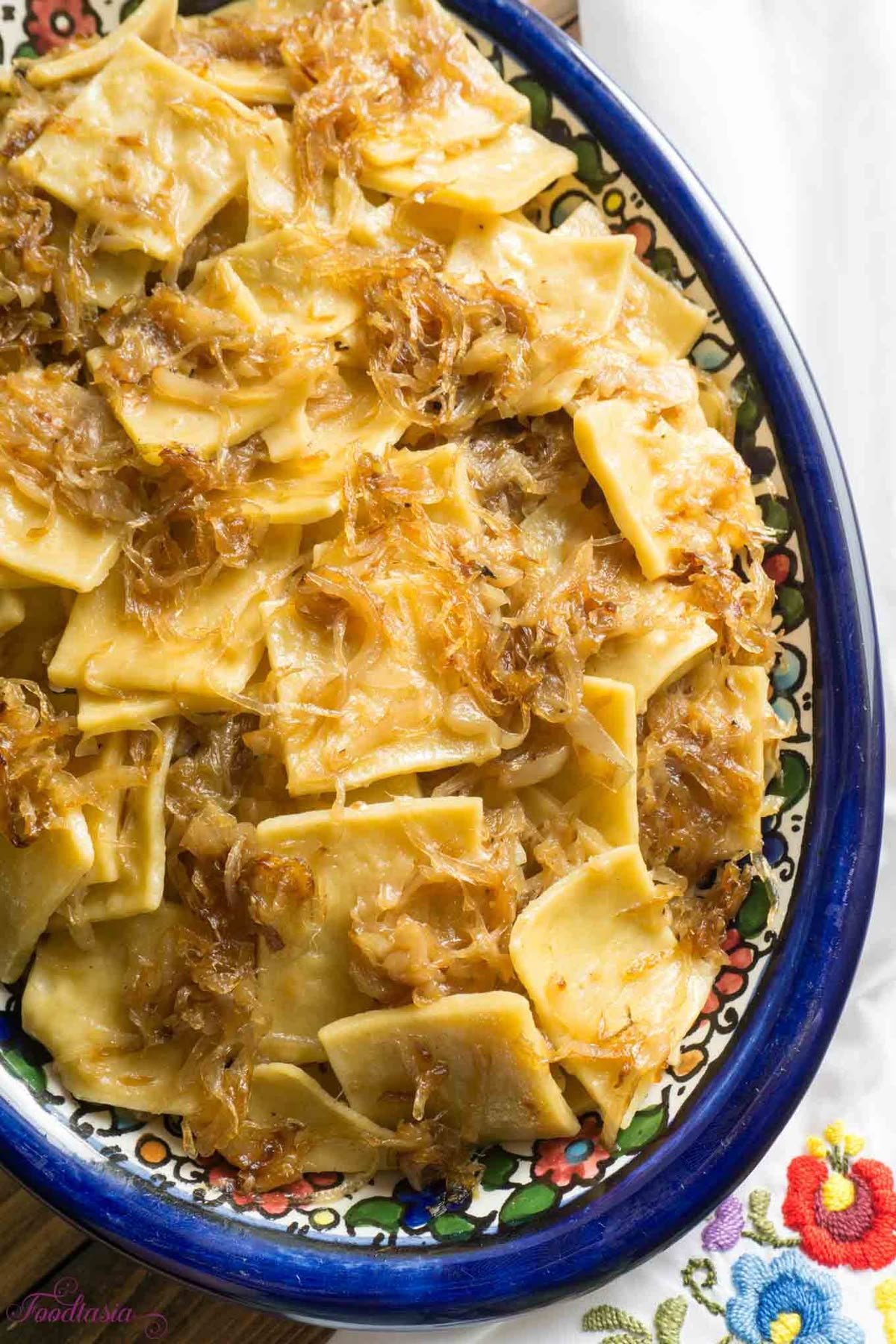
The final dish is savory, mildly sweet, aromatic, and satisfying without requiring a heavy sauce.
The Secret Is Properly Caramelized Cabbage
The quality of the cabbage is what separates a good Káposztás Tészta from a bland one.
Simply boiling or lightly sautéing cabbage will produce a much milder flavor. Slowly cooking it allows some of its natural sugars to develop, creating the characteristic sweetness associated with the dish.
This is why patience matters.
The cabbage should be tender and golden in places, but not burned.
Traditional Seasoning Styles
There are different approaches to seasoning Káposztás Tészta.
Black Pepper
A generous amount of freshly ground black pepper is a classic choice. It provides a sharp contrast to the sweetness of the cabbage.
Paprika
Sweet Hungarian paprika can provide color and a gentle pepper flavor.
If using paprika, avoid adding it directly to extremely hot fat for an extended period because it can burn and become bitter.
Pepper and Paprika
Combining both creates a more complex flavor while preserving the traditional character of the dish.
Variations of Káposztás Tészta
Like many Hungarian home recipes, cabbage noodles can be adapted in numerous ways.
Some cooks add more onions for sweetness, while others use extra black pepper for a stronger flavor.
A small amount of caraway seed can also complement cabbage particularly well.
For a richer version, traditional animal fat can be used instead of vegetable oil.
The dish can also be served with additional vegetables or accompanied by meat, although the classic cabbage-and-noodle combination is satisfying on its own.
What to Serve With Hungarian Cabbage Noodles
Káposztás Tészta can easily stand alone as a main course.
Pickled vegetables are an excellent accompaniment because their acidity balances the natural sweetness and richness of the cabbage.
A simple cucumber salad or green salad can provide freshness.
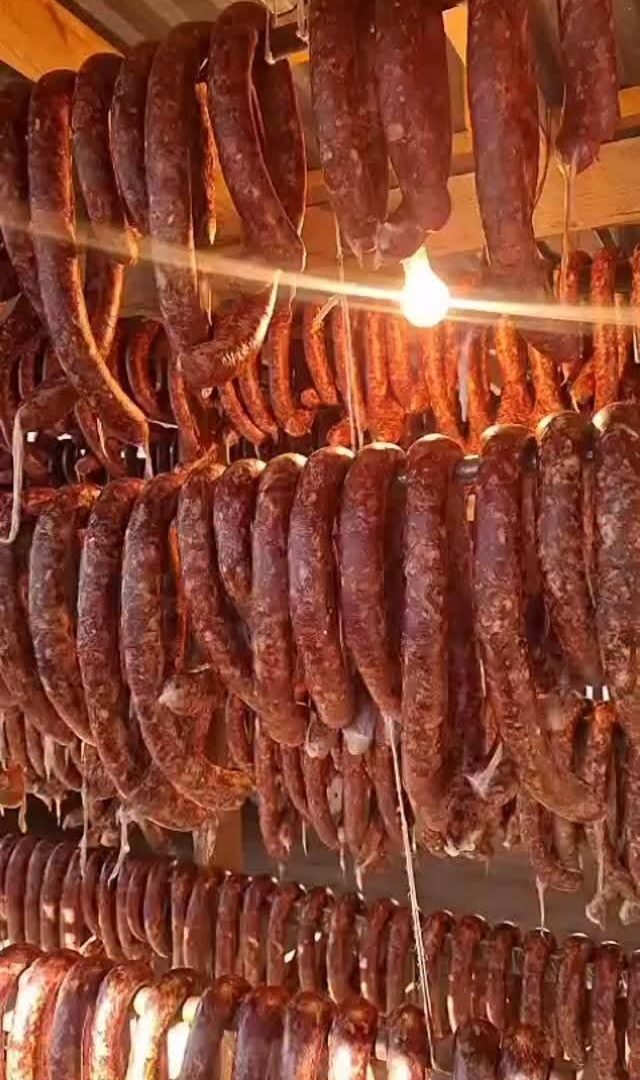
For a heartier Hungarian-style meal, the noodles can be served alongside sausage or another savory protein.
Tips for the Best Results
Slice the cabbage thinly. This helps it cook evenly.
Cook it slowly. The caramelization process creates much of the dish’s flavor.
Do not overcrowd the pan excessively. If necessary, cook the cabbage in batches.
Season gradually. Cabbage reduces significantly as it cooks, so the concentration of flavor changes.
Use freshly ground pepper. Its aroma makes a noticeable difference.
Do not overcook the pasta. The noodles should retain enough structure to mix with the cabbage.
Let the cabbage brown slightly. Golden edges contribute sweetness and depth.
A Simple Dish With a Long Culinary Tradition
Káposztás Tészta reflects the resourceful nature of Hungarian home cooking.
Cabbage stores well, noodles are inexpensive, and the remaining ingredients are simple pantry staples. Yet careful cooking transforms these modest ingredients into a dish with considerable flavor.
This kind of practical cooking is found throughout Central and Eastern Europe, where vegetables, grains, potatoes, and pasta have historically been used creatively to prepare satisfying family meals.
Why Káposztás Tészta Remains Popular
Modern cooking often emphasizes elaborate ingredients and complicated techniques, but dishes like Káposztás Tészta demonstrate the appeal of simplicity.
The recipe is inexpensive, adaptable, and relatively easy to prepare. More importantly, it is comforting.
The combination of caramelized cabbage and tender noodles creates a familiar flavor that works equally well for a quick weekday lunch or a traditional family meal.
Final Thoughts
Hungarian Cabbage Noodles (Káposztás Tészta) is a beautiful example of how traditional Hungarian cooking turns everyday ingredients into something memorable.
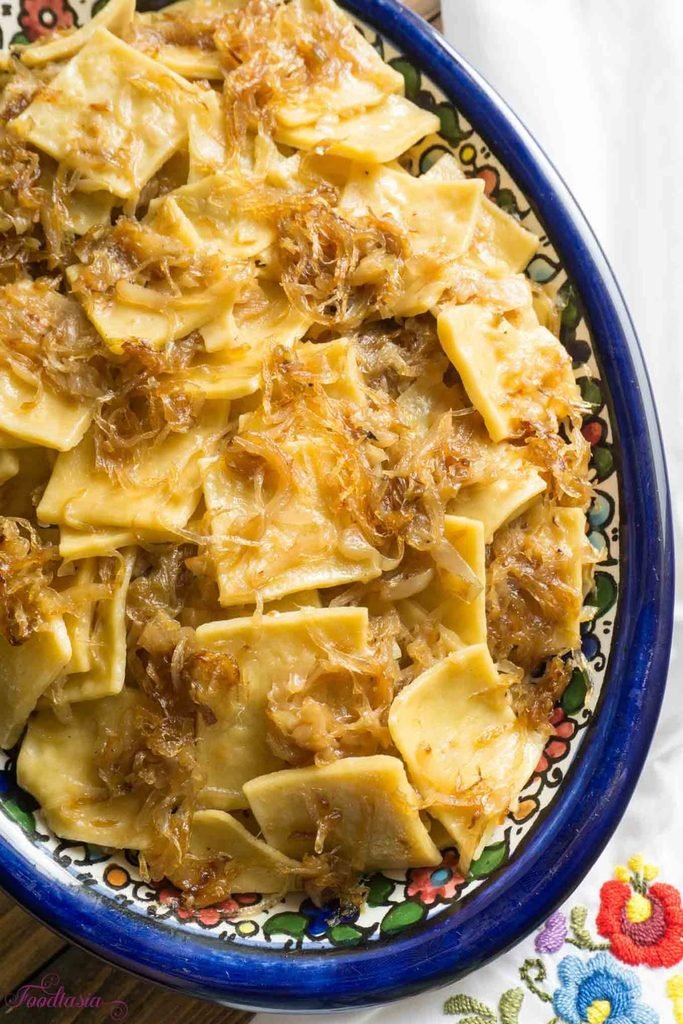
Tender noodles are combined with slowly caramelized cabbage, onions, and aromatic seasoning to create a dish that is simple, filling, and full of character.
The key is patience: give the cabbage enough time to soften and develop its natural sweetness, then combine it with properly cooked noodles and generous seasoning.
For anyone exploring Hungarian cuisine, Káposztás Tészta is an excellent dish to discover—a humble classic that proves great comfort food does not have to be complicated.