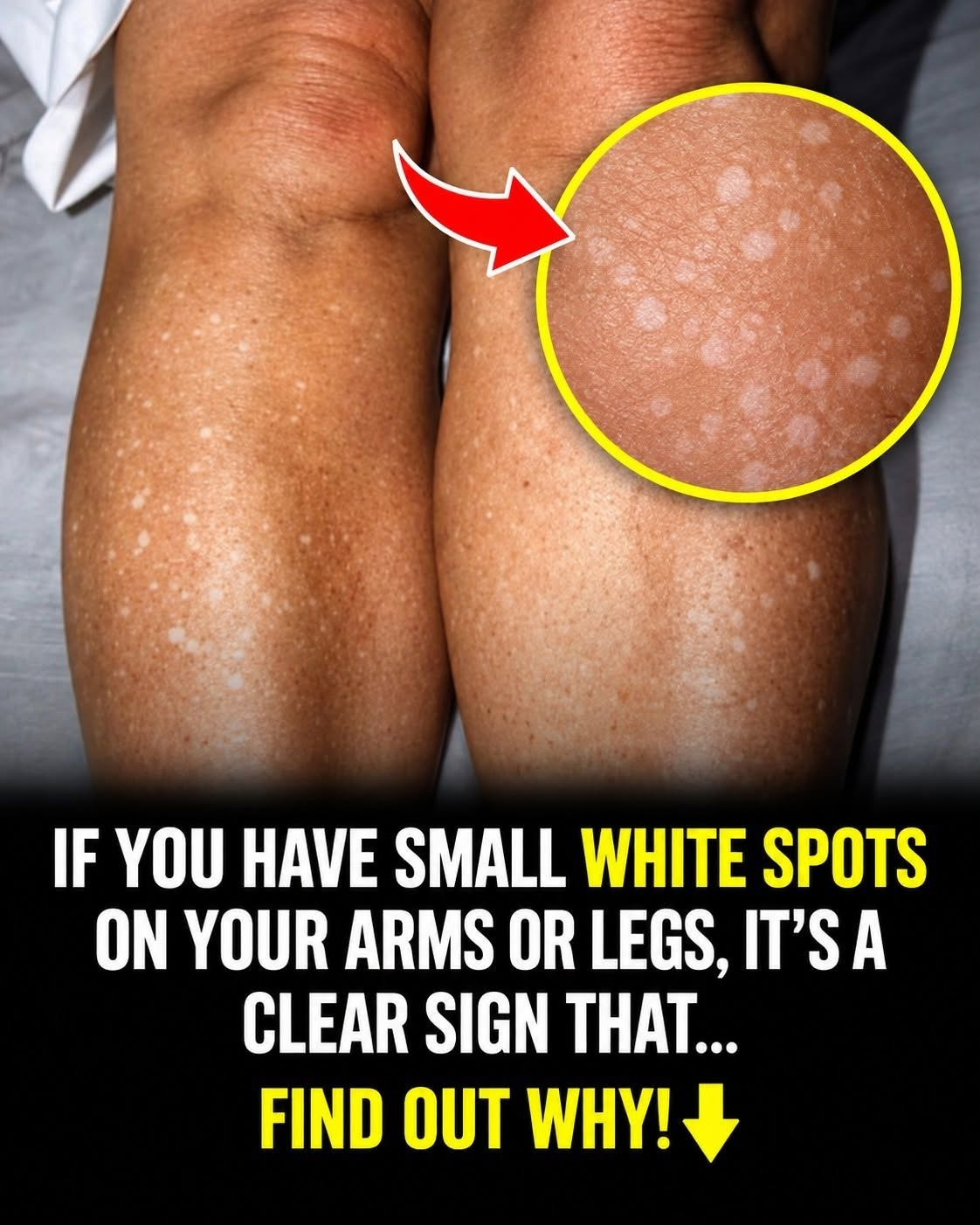
The exact mechanism that triggers IGH remains unclear, but dermatologists have identified strong associations. The condition is widely considered to be a result of chronic, cumulative sun exposure over a lifetime . This is why the spots appear predominantly on areas that see the most sun, such as the arms and legs. The ultraviolet radiation is thought to damage the melanocytes—the cells responsible for producing pigment—in a way that causes them to eventually stop functioning in small, isolated clusters. Additionally, IGH is more common as people age, typically appearing after the age of 40, which has led to the alternative name “senile leukoderma” . There also appears to be a genetic component, as the condition often runs in families .