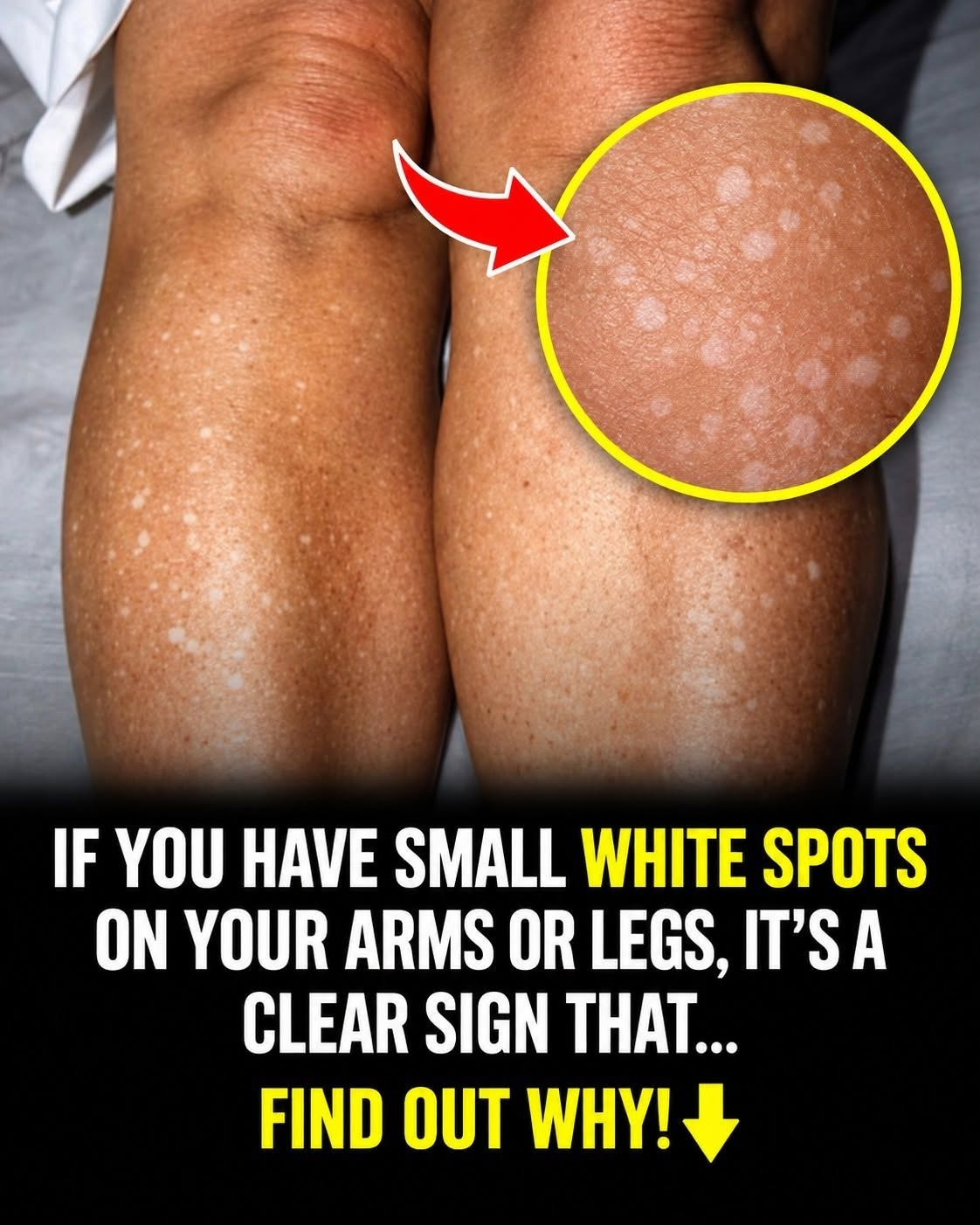
Since IGH is strongly linked to sun damage, the most important step you can take is to protect your skin from further ultraviolet exposure. While this will not reverse the existing spots, it can prevent new ones from forming and reduce the risk of more serious sun-related issues like skin cancer . This means applying a broad-spectrum sunscreen with a high SPF daily, especially on your arms and legs, and wearing protective clothing when outdoors. For individuals with IGH, sun protection is not just about vanity; it is a crucial part of maintaining long-term skin health.
Treatment Options and Realistic Expectations
There is no cure for IGH, and most dermatologists consider treatment to be purely cosmetic . Because the condition is harmless, many people choose to simply accept the spots as a normal part of their skin’s history. However, for those who are bothered by their appearance, some treatment options exist. Topical retinoids or corticosteroids may be prescribed by a doctor to attempt to stimulate some repigmentation, but results are variable . Procedural options like cryotherapy (freezing) or laser therapy have been used with some success, but they carry risks and are not always covered by insurance . It is essential to consult a dermatologist before trying any treatment to ensure it is appropriate for your skin type.
When to See a Doctor
While IGH is benign, any new or changing skin lesion should be evaluated by a medical professional. You should see a doctor if the white spots are accompanied by itching, pain, or scaling, as this could indicate a fungal infection or another condition . Additionally, if a spot grows rapidly, changes shape, or develops irregular borders, it is important to rule out skin cancer. A dermatologist can confirm the diagnosis of IGH through a simple visual exam and, if necessary, a skin biopsy .