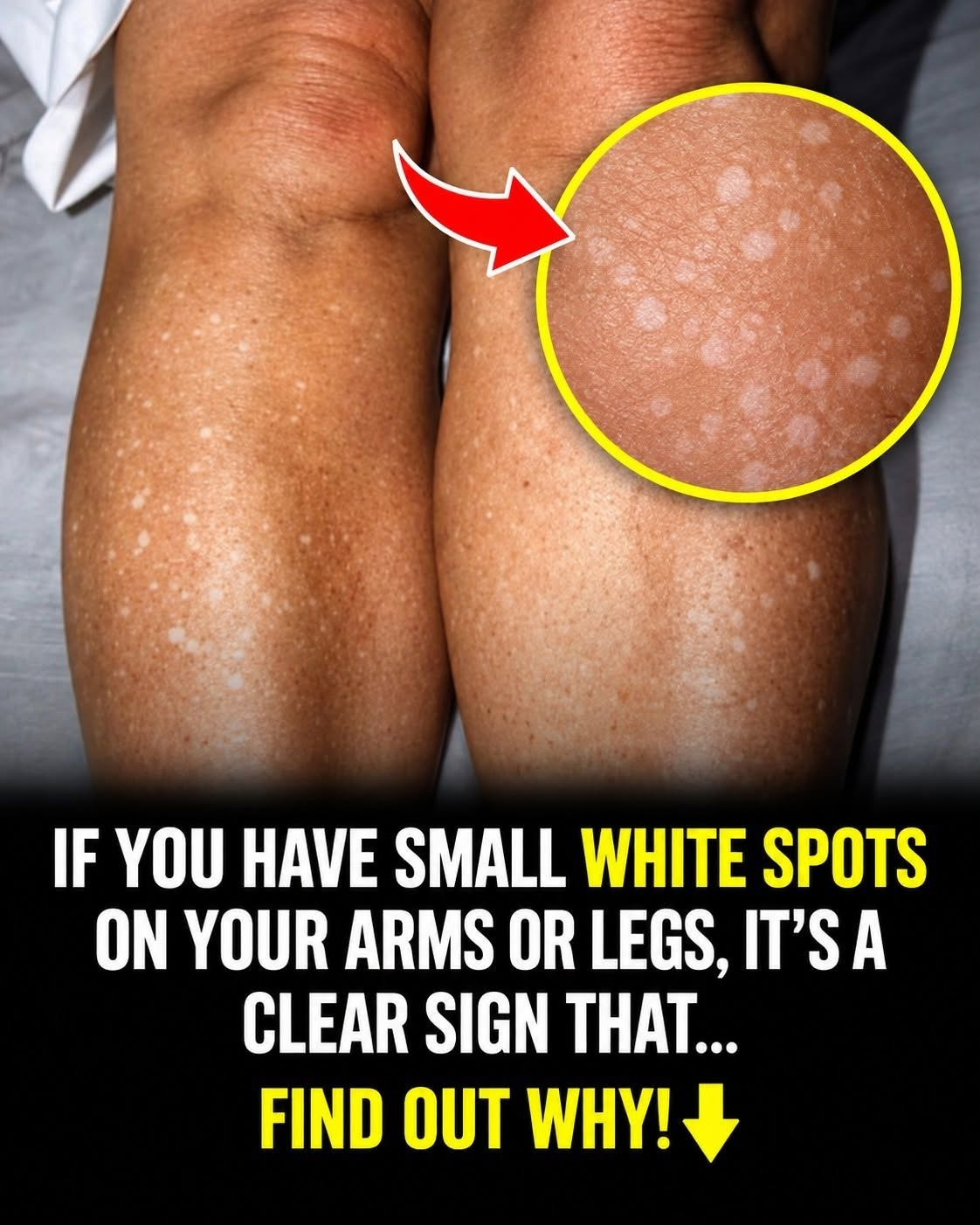
Are these white spots on my legs a sign of a vitamin deficiency?
No, the spots shown in the image are characteristic of Idiopathic Guttate Hypomelanosis (IGH), which is not caused by a vitamin deficiency. It is primarily related to sun exposure and aging .
Can I reverse IGH spots?
There is no reliable way to reverse IGH. The pigment loss is generally permanent. Some cosmetic treatments may offer slight improvement, but they are not guaranteed and are not medically necessary .
Is IGH contagious?
No, IGH is not contagious. It is a localized loss of pigment in the skin and cannot be spread to others.
How is IGH different from vitiligo?
IGH causes tiny, scattered white spots on sun-exposed areas, while vitiligo causes larger, progressive patches of depigmentation anywhere on the body due to an autoimmune response .
Do these spots turn into skin cancer?
No, IGH itself is benign and does not develop into skin cancer. However, because it is a marker of sun exposure, it is a good reminder to monitor your skin for other changes and practice sun safety .
Can children get IGH?
It is uncommon in children. IGH typically appears in adults over the age of 40, though younger people with significant sun exposure can also develop it .
What is the best treatment for IGH?
The best “treatment” is prevention through sun protection. For cosmetic removal, options like laser therapy or cryotherapy exist but should be discussed with a dermatologist .
Should I worry if the spots are itchy or scaly?
Yes. IGH spots are typically smooth and asymptomatic. If your spots are itchy or scaly, it may be a fungal infection like tinea versicolor or another skin condition that requires medical treatment .