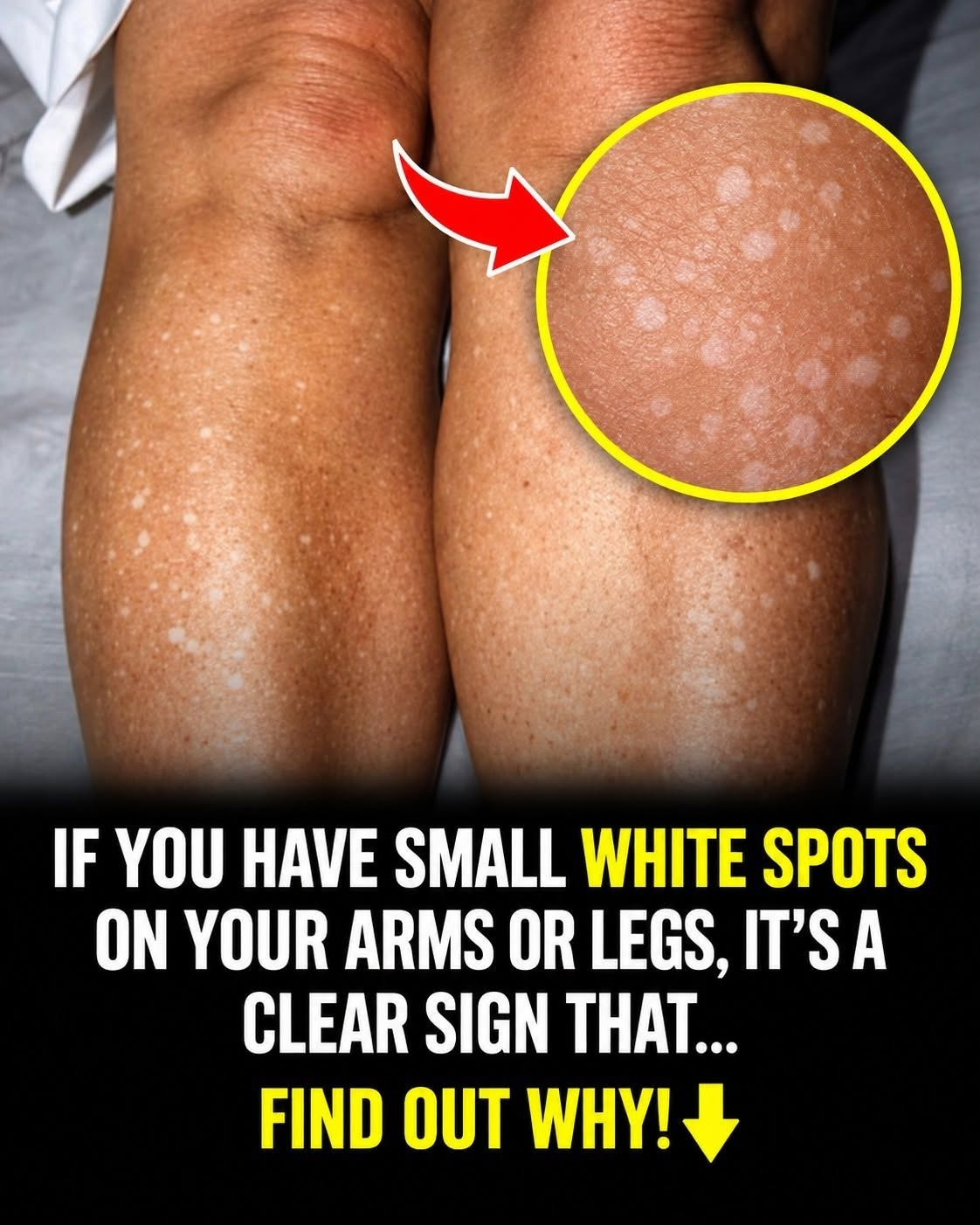
Another common cause of white spots is tinea versicolor (also known as pityriasis versicolor). This is a fungal infection caused by an overgrowth of yeast that naturally lives on the skin . The spots in tinea versicolor are often scaly and can be either lighter or darker than the surrounding skin. Unlike IGH, which is dry and smooth, tinea versicolor patches may have a fine, powdery scale and are frequently itchy, especially in warm, humid weather . A doctor can easily distinguish between the two by examining a skin scraping under a microscope.
Post-Inflammatory Hypopigmentation
Sometimes, white spots appear after the skin has healed from an injury, burn, or inflammatory condition like eczema or psoriasis. This is known as post-inflammatory hypopigmentation . The melanocytes in the affected area are temporarily suppressed or damaged during the inflammation, leading to a loss of color. These spots usually fade and repigment over time as the skin recovers, which is different from the permanent nature of IGH spots .